


Introduction
Privacy is a fundamental aspect of any home. Homeowners are increasingly looking for ways to enhance privacy without sacrificing natural light, comfort, or design. One solution that has grown rapidly in popularity is residential privacy glass. Building on the same privacy glass technology used in high-end offices and medical facilities, switchable glass now offers homeowners a practical, stylish upgrade for everyday living.
This blog explores the benefits, options, and key considerations when deciding whether privacy glass is worth the investment in your home.

What Is Privacy Glass?
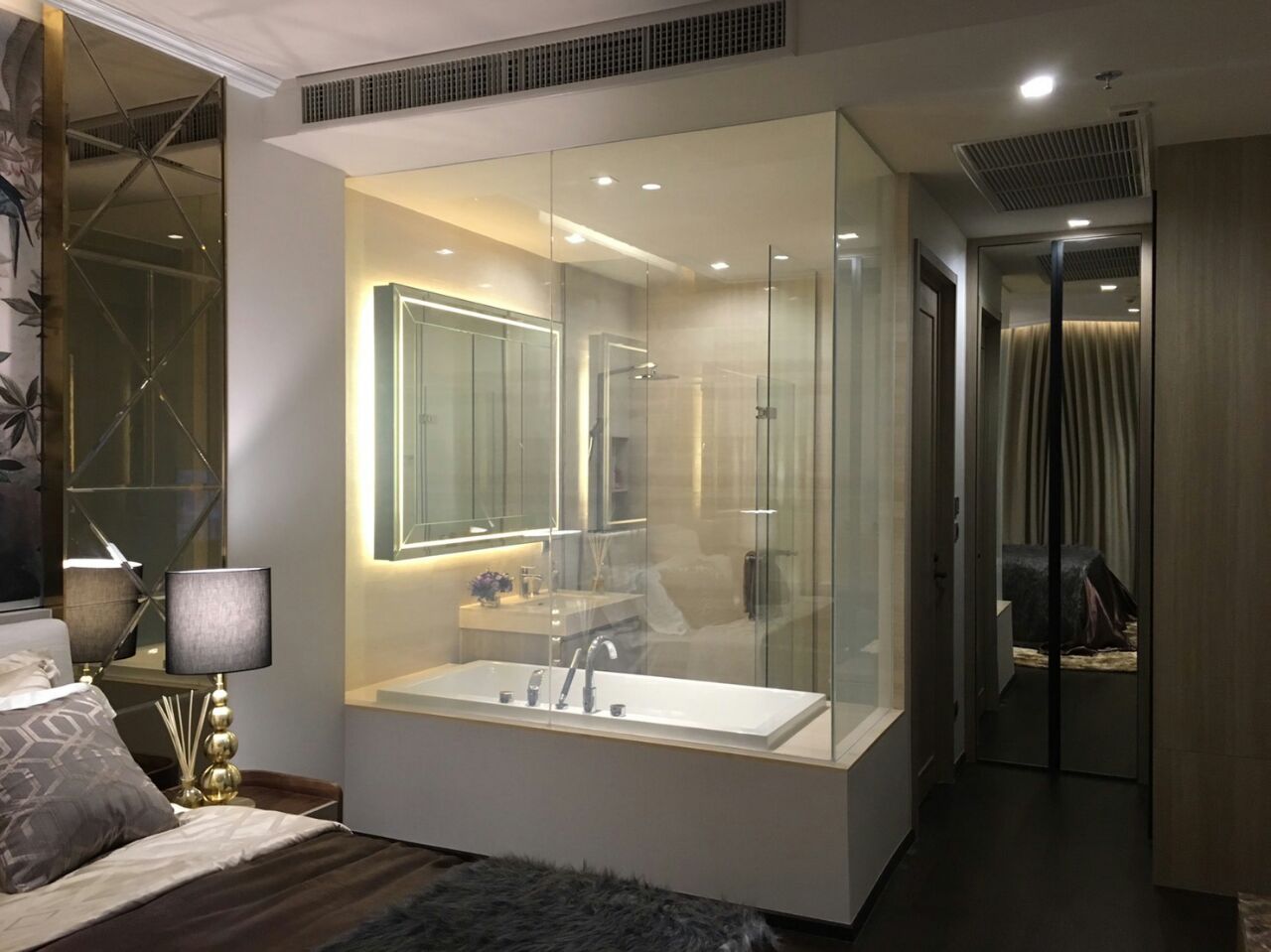
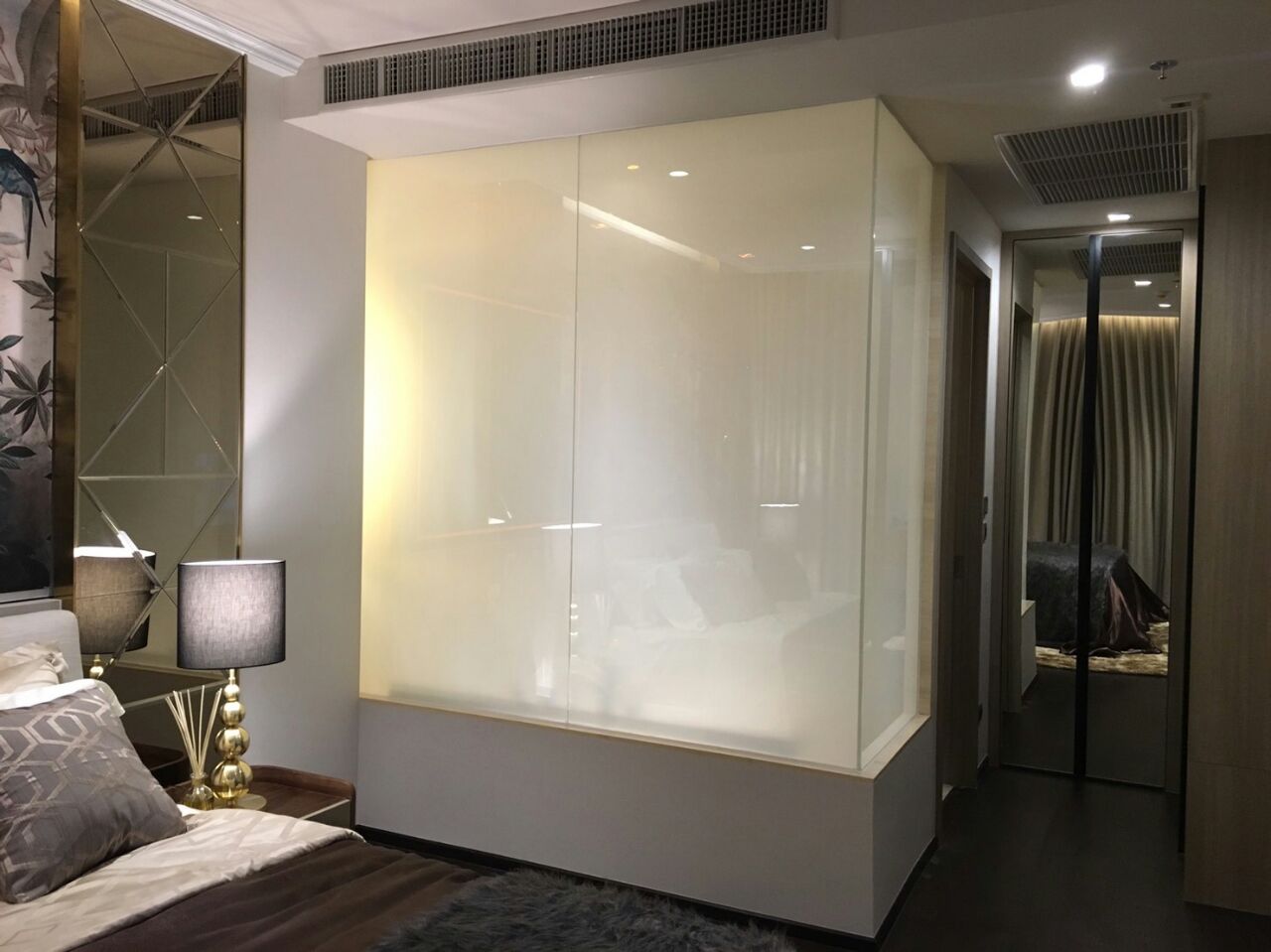
Privacy glass, also known as smart glass or switchable glass, is a glazing solution that can change its appearance – from clear to frosted or tinted – at the touch of a button. Using advanced smart window technology, it allows you to control the amount of light and visibility through the glass, either manually or via automated controls.
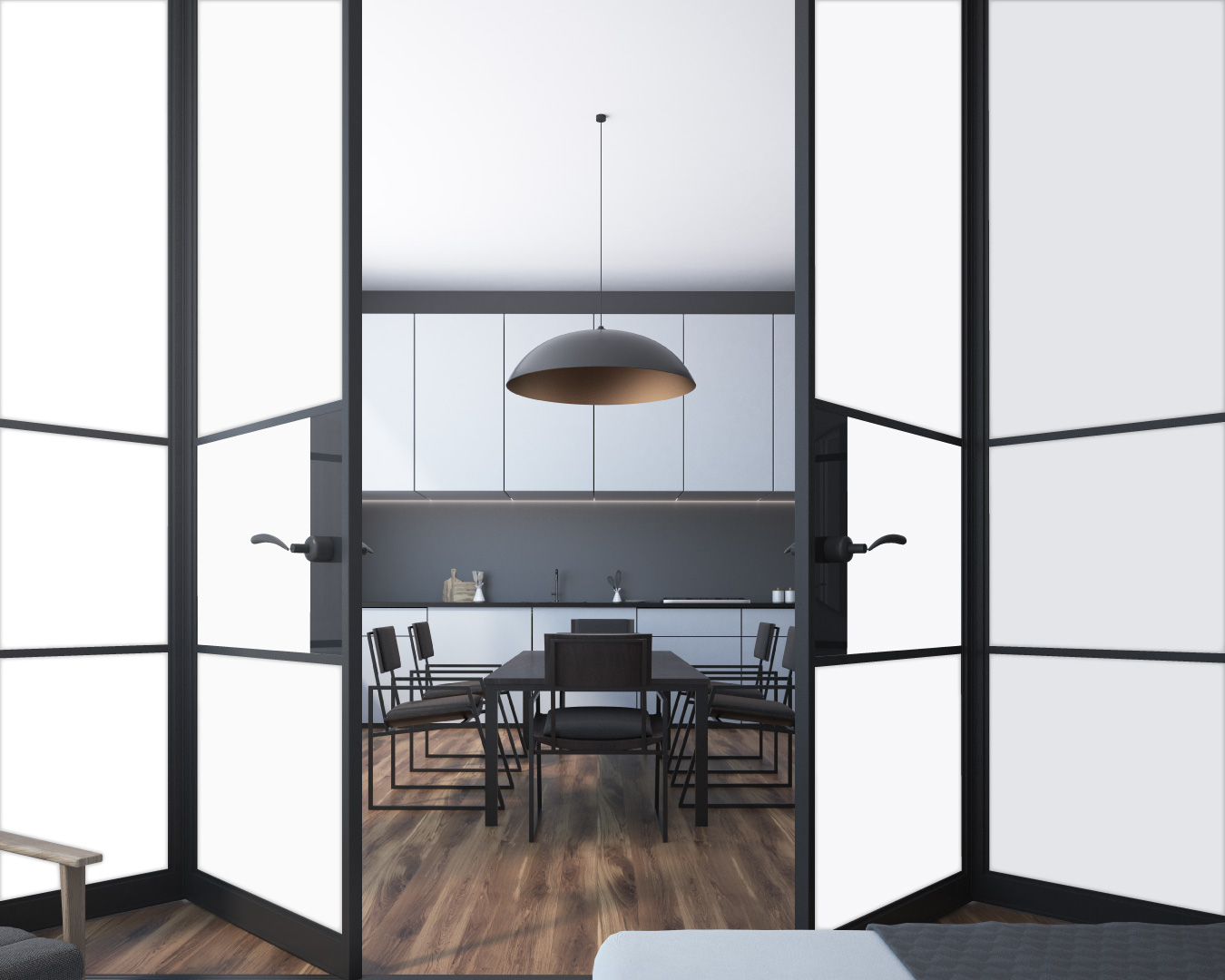
Unlike standard frosted or patterned glass, switchable glass privacy solutions are dynamic. You can enjoy wide-open views and natural daylight when you want them, then switch to instant privacy when you don’t.
Benefits of Privacy Glass for Homeowners
Improved Privacy
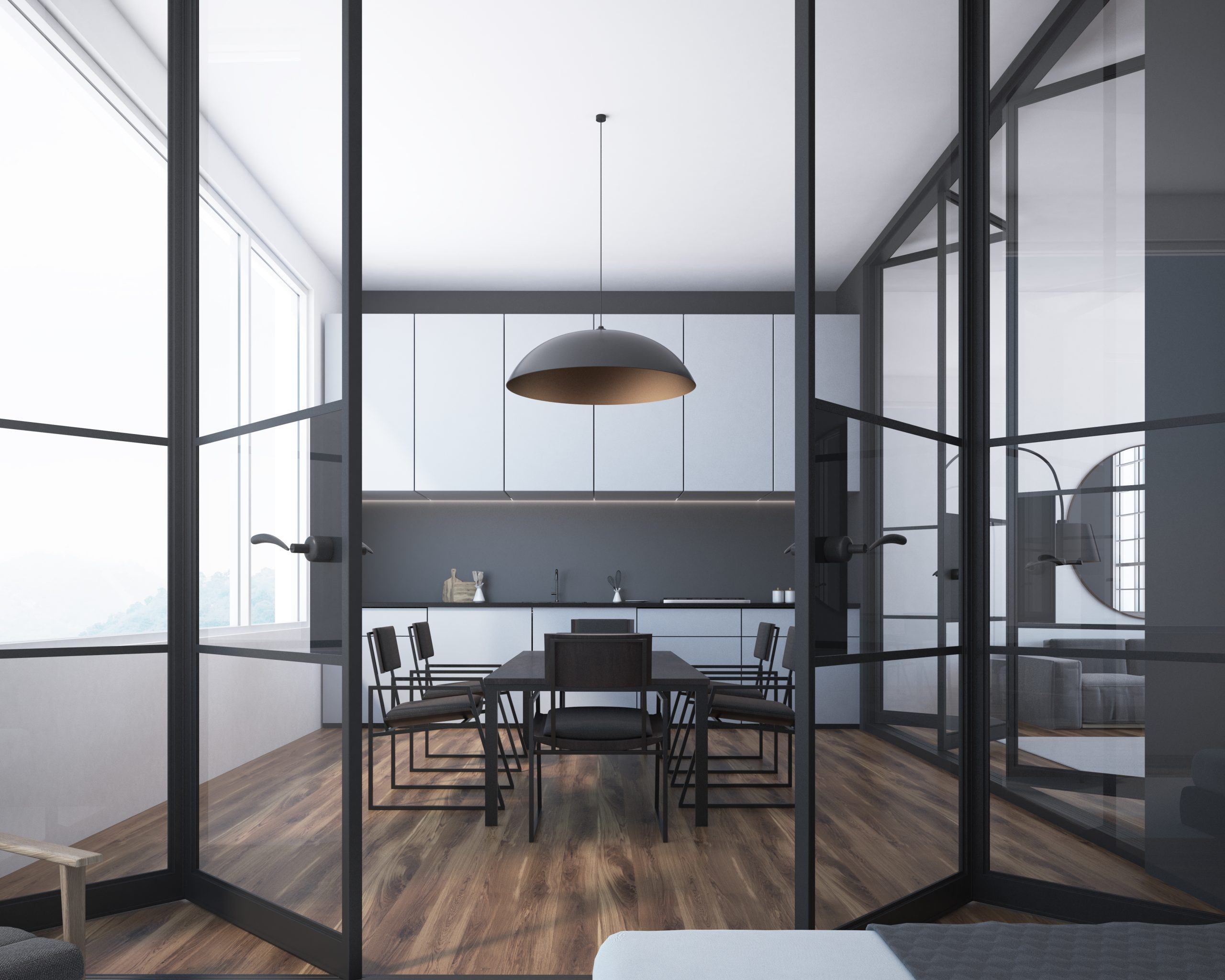
The most obvious advantage is the ability to control privacy on demand. In clear mode, rooms feel bright and open; in opaque mode, views from outside are blocked. This is ideal for spaces such as bathrooms and en-suites, bedrooms, street-facing living spaces, and home offices where privacy is essential.
Natural Light Without Compromise
Traditional privacy solutions often mean closing blinds and shutting out the light. Privacy glass lets you enjoy natural daylight while still managing visibility. When clear, it maximises sunlight and views; when opaque, it still allows a soft glow through the glass, reducing the need for artificial lighting during the day.
Energy Efficiency
By limiting solar gain and helping to control heat loss, privacy glass can support a more energy-efficient home. In opaque mode, the glass can reduce heat transfer and glare, easing the load on heating and cooling systems. Combined with modern glazing specs, it forms part of an intelligent, low-energy building envelope.
UV Protection
Many privacy glass systems help block a significant proportion of harmful UV rays. This protects flooring, soft furnishings, artwork, and joinery from fading, helping maintain the look and value of your interiors over time.
Noise Reduction
In the right specification, privacy glass can also contribute to acoustic insulation. Lamination and thicker glass build-ups help reduce outside noise – especially useful for homes near busy roads, rail lines, or lively neighbourhoods – creating a calmer indoor environment.
Types of Privacy Glass for Homes
Frosted Glass
Traditional frosted glass has a permanently etched or matt surface that diffuses light and obscures views. It’s a simple, static option commonly used in bathrooms and hallway windows. While effective, it doesn’t offer the flexibility of switching between clear and private.
Tinted Glass
Tinted glass uses colour or coatings to reduce light transmission and provide modest daytime privacy. It’s often chosen for large windows or façades where solar control is important, but it won’t give full privacy at night when interior lights are on.
Switchable (Smart) Privacy Glass
Switchable glass is the most versatile option. Using PDLC (Polymer Dispersed Liquid Crystal) or similar technology, it changes from clear to opaque when powered. This makes it ideal for:
- Home windows and doors in overlooked areas
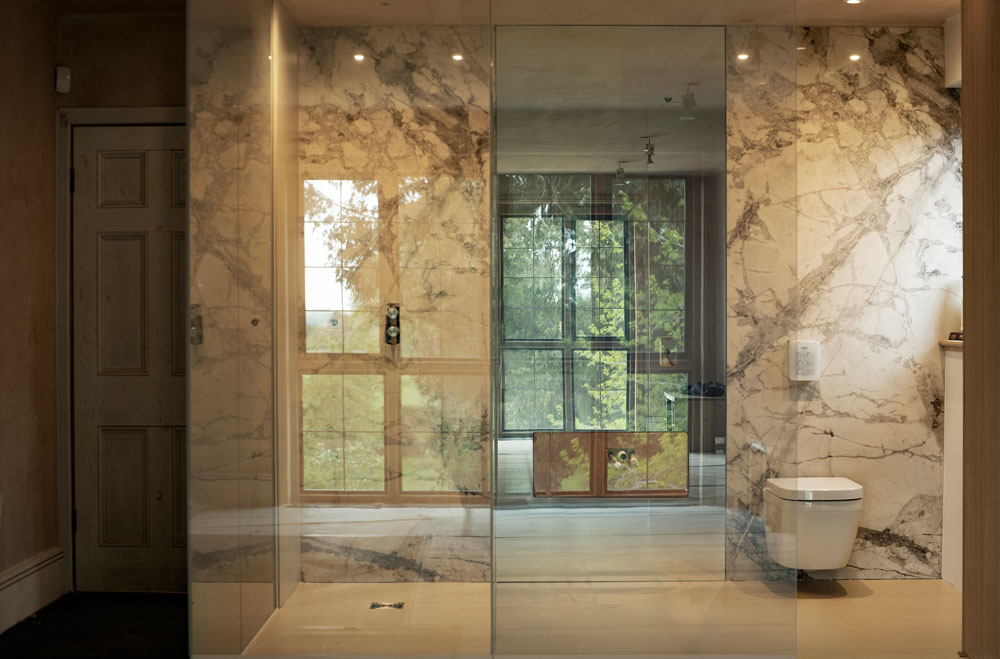
- Bathroom and shower enclosures
- Room dividers and sliding screens in open-plan spaces
- Home offices and garden rooms needing privacy on demand
Installation Options
Depending on your project, privacy glass can be integrated in different ways:
- New or replacement windows: The cleanest solution for renovations or self-builds. Privacy glass units are manufactured to size and installed like standard double- or triple-glazed units.
- Internal partitions and doors: Ideal for open-plan layouts where you want flexible separation between spaces, such as between a bedroom and en-suite, or kitchen and snug.
- Alternative solutions: For existing glazing where full replacement isn’t an option, homeowners sometimes consider privacy films or external blinds, although these don’t offer the same performance or integrated look as purpose-made smart glass.
Cost Considerations
Privacy glass does carry a higher upfront cost than standard glazing. Factors affecting price include glass size, specification (single, double, or laminated units), control systems, and installation complexity. However, just as in demanding medical environments, many homeowners view privacy glass as a long-term investment in comfort, energy performance, and property value.
When weighing up the cost, consider:
- Reduced spend on blinds, shutters, or secondary privacy products
- Ongoing energy savings from better solar and thermal control
- Improved resale appeal thanks to modern, high-end features
- Everyday comfort and usability of rooms that might otherwise feel exposed
Key Factors to Consider Before Investing
- Privacy needs: Identify rooms where you’d benefit most – bathrooms, front-facing bedrooms, home offices, or large street-level glazing.
- Aesthetic goals: Consider how privacy glass will integrate with your interior and exterior design, including frame styles and hardware.
- Energy performance: Look at U-values, solar control, and how the glass will contribute to the overall thermal performance of your home.
- Controls and automation: Decide whether you want simple wall switches, remote control, or integration with a wider smart-home system.
- Maintenance: Switchable glass is cleaned like standard glazing, but electrical connections should be installed and checked by professionals.
Conclusion
Privacy glass offers a modern, efficient way to balance privacy, daylight, and design in the home. From residential privacy glass installations in living spaces to bathroom privacy glass that replaces blinds and curtains, it provides a clean, contemporary solution that’s built for the way we live today.
While the upfront investment is higher than conventional glazing, the long-term benefits – improved privacy, comfort, energy efficiency, and aesthetic appeal – make privacy glass a compelling choice for homeowners who want their property to feel both secure and future-ready.
Who We Are
Tecdur is the leading manufacturer of smart and privacy glass for the UK and Ireland. Our switchable privacy glass provides the best clarity, lowest power consumption and lowest haze currently available. We offer a wide range of specifications for residential projects, medical environments, commercial spaces and more. Cost is dependent on specification, application and design – please get in contact with us to discuss your project.
Please visit our portfolio for a look at completed projects. Keep up to date on our LinkedIn showcase page.


Frequently asked Questions

Our privacy glass works by utilising advanced PDLC (Polymer Dispersed Liquid Crystal) film. When an electrical current is applied, the liquid crystal molecules align, allowing light to pass through, making the glass transparent. When the current is switched off, the molecules mis-align, causing the glass to turn opaque or translucent, providing privacy.
Yes, privacy glass can be retrofitted onto existing windows using adhesive films. This allows for an easy and cost-effective installation process.
Yes, privacy glass is suitable for humid environments such as bathrooms. It is designed to withstand moisture and humidity without compromising its functionality.
Certain types of privacy glass, such as rear projection privacy glass, can be used as a projection screen, offering a unique combination of privacy and multimedia display capabilities.
Yes, privacy glass is available in various tint options, allowing users to choose the level of darkness or light transmission that best suits their needs.
Yes, privacy glass can be customised to fit curved or irregularly shaped windows. Manufacturers can create privacy glass solutions that match the specific dimensions and requirements of the project.