
Introduction
Privacy is paramount in medical facilities, where patients require confidentiality and comfort during their treatment. Privacy glass, also known as switchable glass or smart glass, offers an innovative solution to maintain discretion while enhancing the overall patient experience.

5 Benefits of Using Privacy Glass
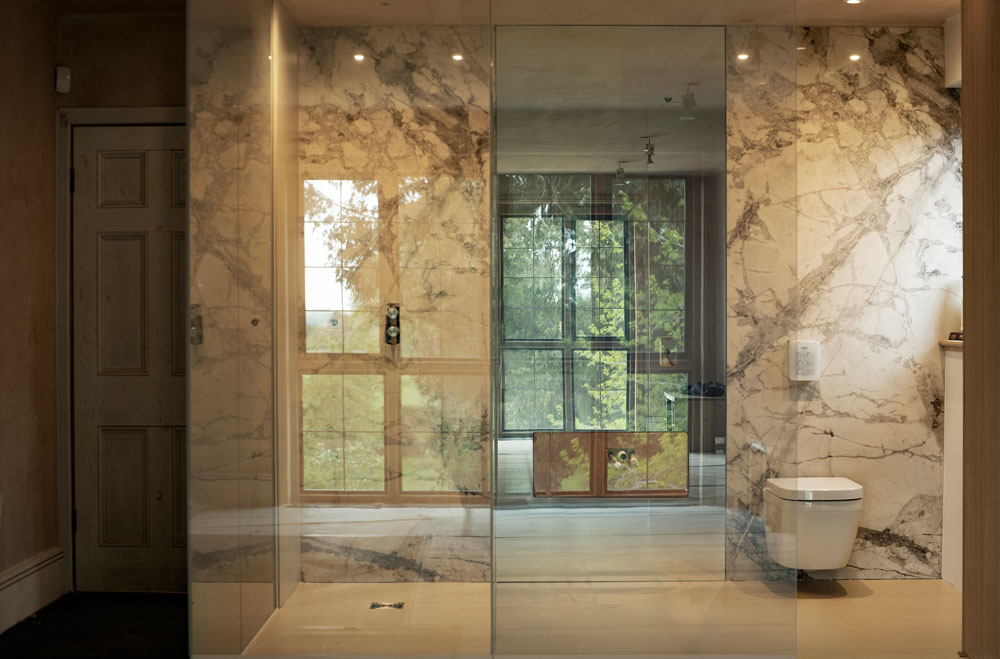
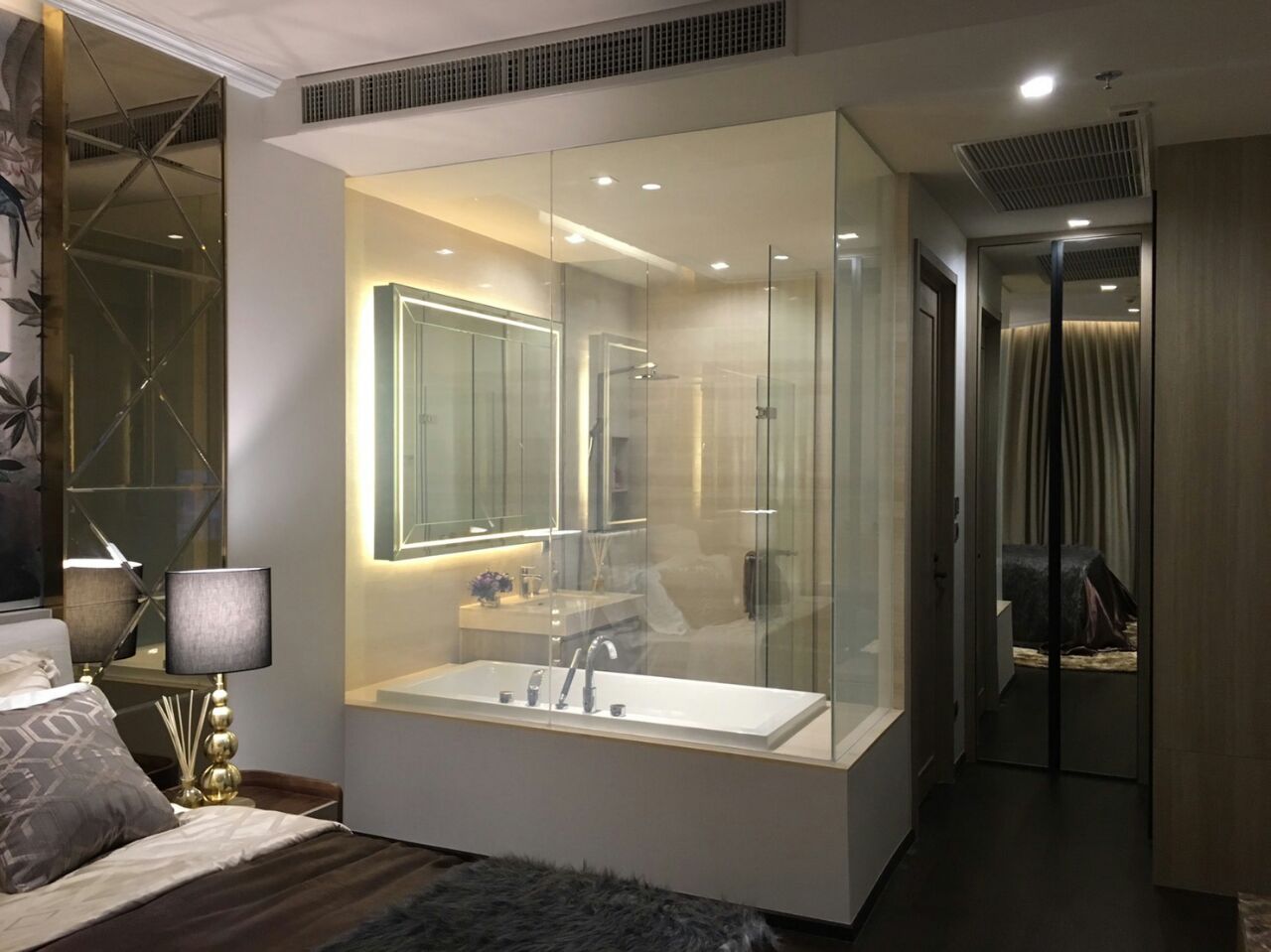
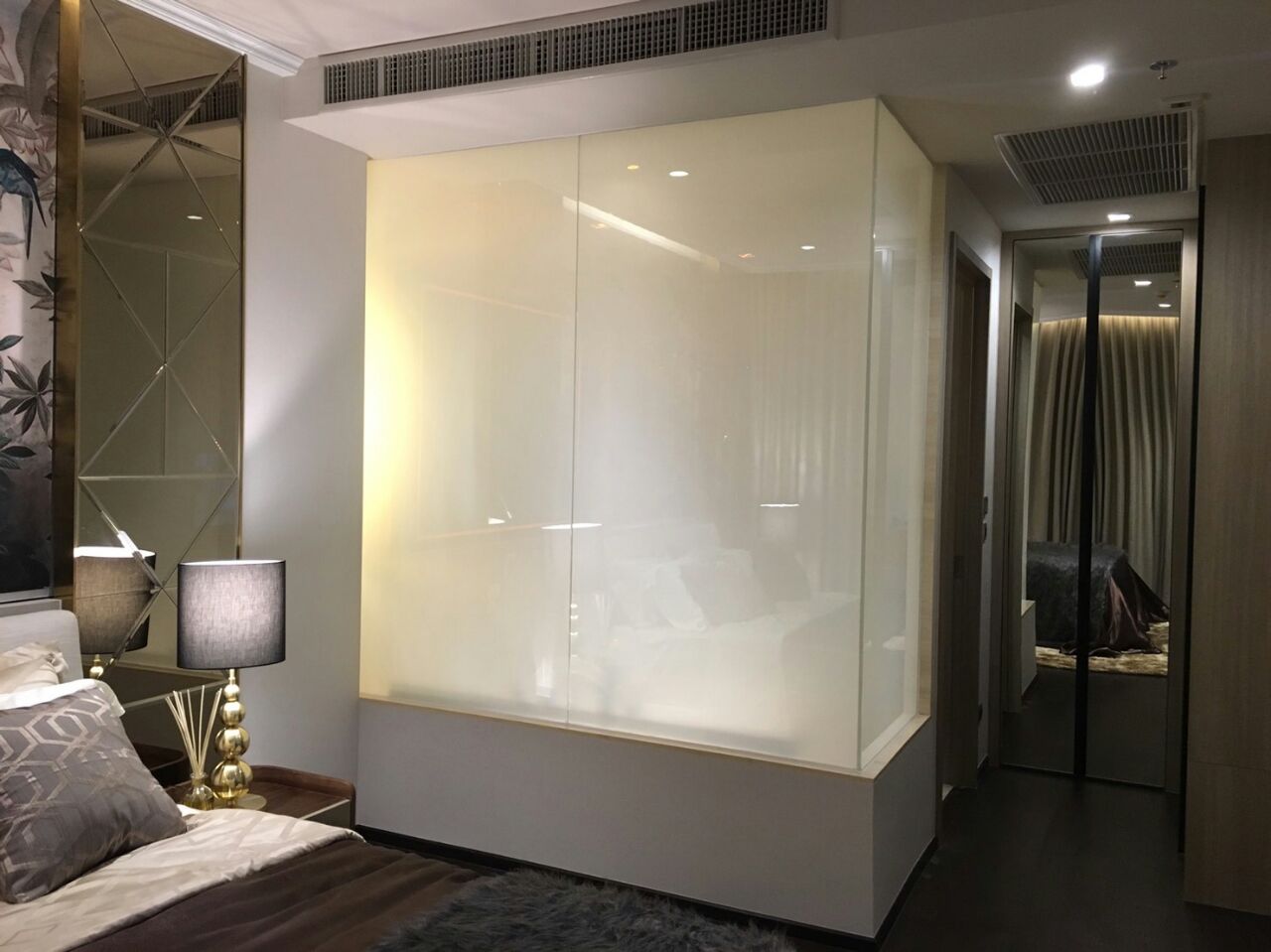
Privacy glass allows medical professionals to control the transparency of windows or partitions with a simple switch, providing instant privacy when needed. This feature ensures that sensitive consultations, procedures, or examinations remain confidential, enhancing patient trust and compliance with privacy regulations. For clinical areas that need on-demand discretion, our switchable glass privacy solutions outline practical ways to specify control, switching methods, and use cases. For team discussions and case reviews, the same approach used in conference rooms with switchable privacy glass translates well to MDT spaces that handle confidential conversations.
Improved Patient Comfort
Traditional curtains or blinds can feel intrusive and claustrophobic for patients, whereas privacy glass offers a seamless and modern alternative. By allowing natural light to filter through while maintaining privacy, patients can feel more relaxed and connected to the outside environment, contributing to a more positive healing experience. These comfort gains align with broader smart glass benefits seen across healthcare and wellness environments. Where facilities include family rooms or staff accommodation, options similar to residential privacy glass help create restful spaces without sacrificing daylight.
Optimised Space Utilisation
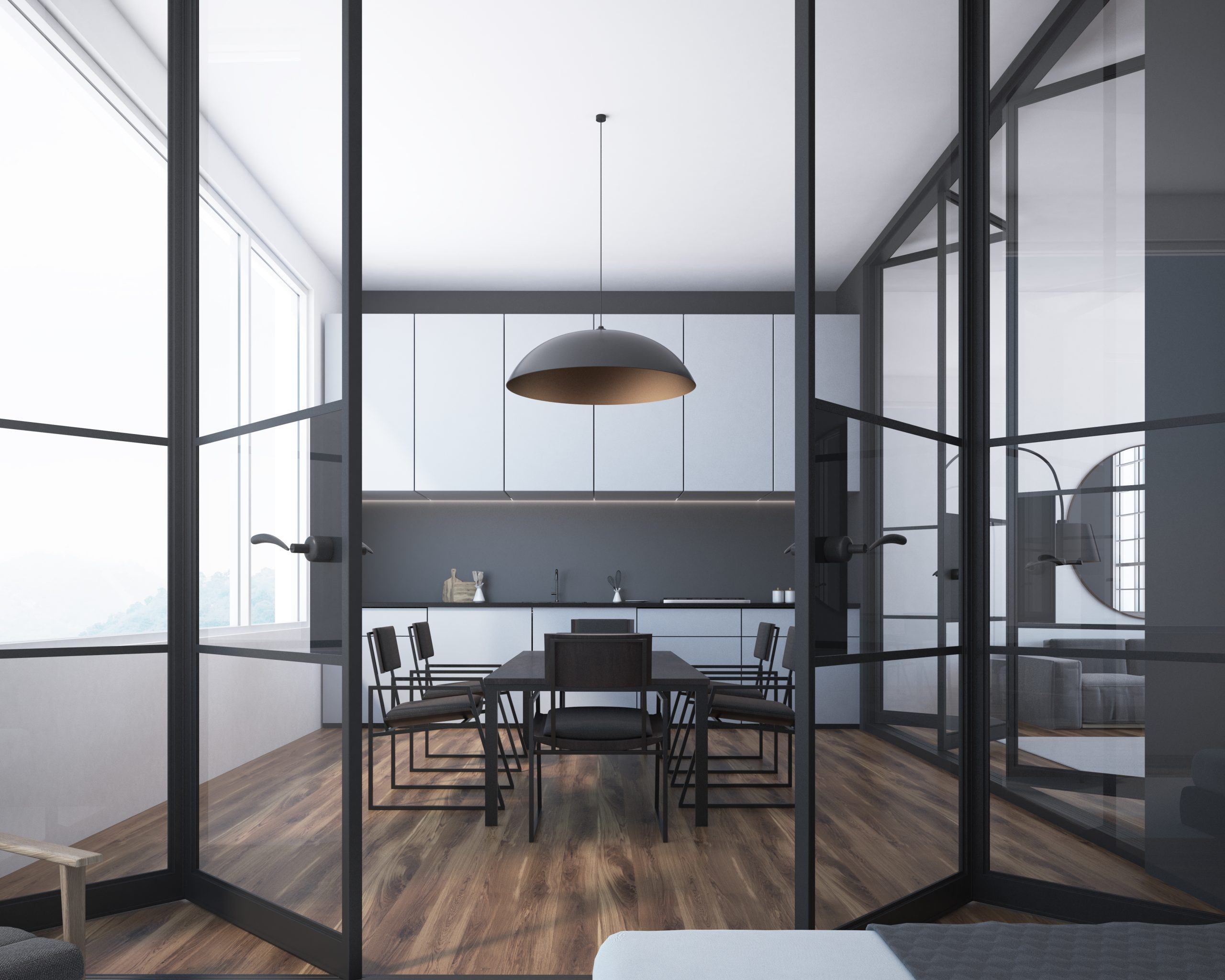
In crowded medical facilities where space is at a premium, privacy glass enables versatile room configurations without the need for permanent walls or partitions. By creating temporary privacy barriers when required, healthcare providers can maximise the use of existing space for different purposes, such as consultations, examinations, or recovery areas. Layout strategies proven in switchable privacy glass for conference rooms also support quick reconfiguration between open collaboration and private discussion in clinical meeting suites.
Easy Maintenance and Hygiene
Privacy glass surfaces are smooth and easy to clean, making them ideal for maintaining high standards of hygiene in medical environments. Unlike curtains or blinds that can harbour dust, allergens, or pathogens, privacy glass can be quickly wiped down with disinfectants, reducing the risk of cross-contamination and promoting a sterile environment. When planning cleaning protocols and uptime, balance the advantages with the considerations in smart glass disadvantages, such as control hardware and power dependency.
Energy Efficiency
Many privacy glass products are designed to regulate sunlight and heat transmission, contributing to energy savings in medical facilities. By controlling the amount of natural light entering a room, privacy glass can help regulate indoor temperatures, reducing the reliance on artificial lighting and HVAC systems, thus lowering energy costs and environmental impact. Technology choice matters: understanding electrochromic vs thermochromic glass helps specifiers match dynamic tinting behaviour to orientation, climate, and automation strategy.
Types of Privacy Glass Available
Electrochromic Glass: Uses electrical currents to adjust tint levels, offering gradual opacity control. See the comparison of electrochromic vs thermochromic glass for response profiles and best-fit applications.
Liquid Crystal Glass: Utilises a film containing liquid crystals that align to block or transmit light when activated.
PDLC (Polymer Dispersed Liquid Crystal) Glass: Contains a layer of liquid crystal droplets dispersed in a polymer matrix, which realigns to control light transmission when an electric current is applied.
Conclusion
Privacy glass represents a sophisticated solution to the privacy and spatial challenges faced by medical facilities. Its ability to balance discretion, comfort, and functionality makes it an invaluable asset in modern healthcare environments. By investing in privacy glass, medical facilities can enhance patient care, streamline operations, and uphold the highest standards of privacy and hygiene. For specification support across wards, theatres, offices, and meeting suites, explore switchable glass privacy solutions alongside a wider view of smart glass benefits and key drawbacks to consider.
Who We Are
Tecdur is the leading manufacturer of smart glass for the UK and Ireland. Tecdur Switchable Glass provides the best clarity, lowest power consumption and lowest haze currently available. We can offer a wide range of specifications to meet project requirements with our switchable glass, cost is dependent on specification, application and design. Please get in contact with us to discuss further.
Please visit our portfolio for a look at completed projects. Keep up to date on our LinkedIn Showcase page


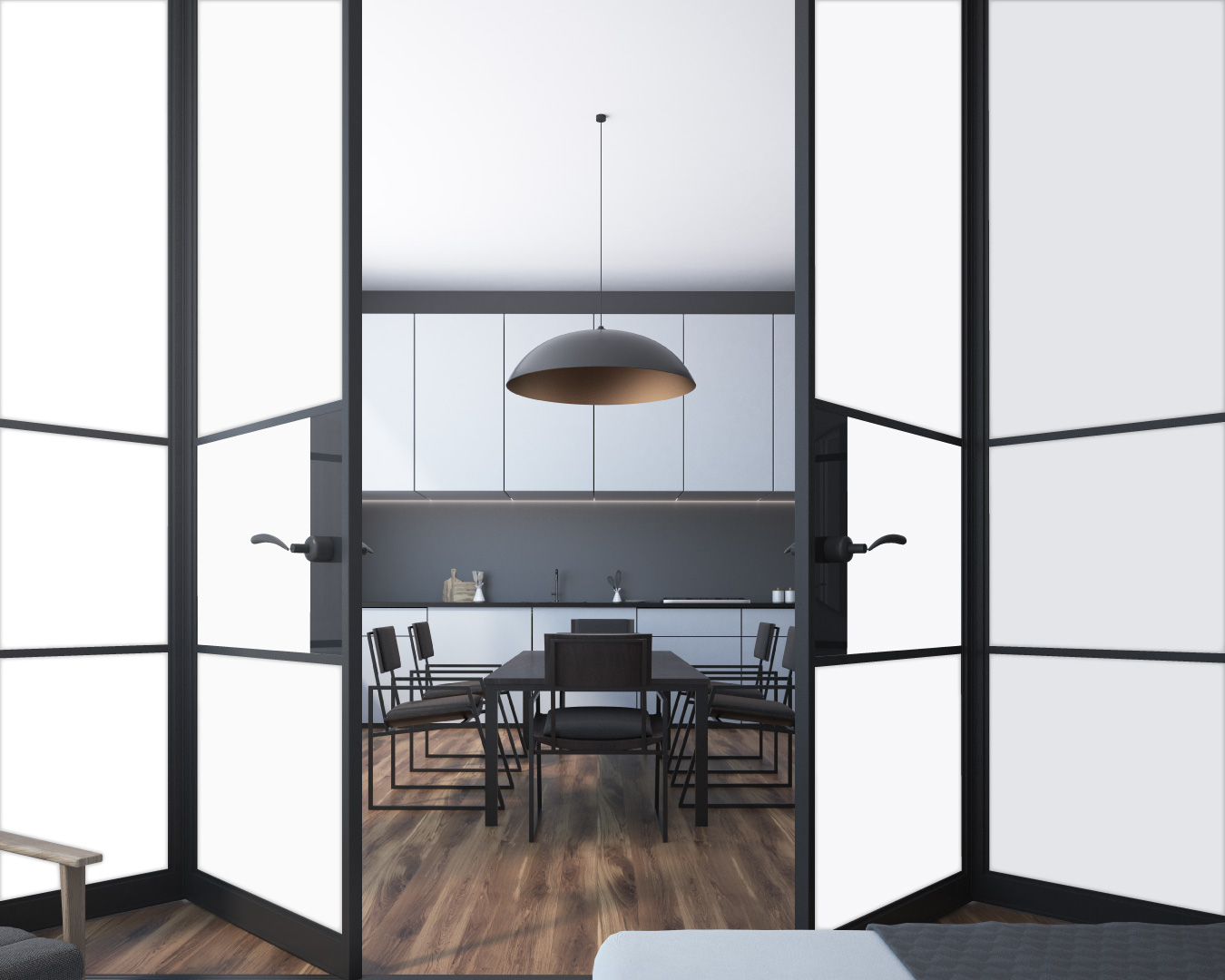
Frequently asked Questions

Our privacy glass works by utilising advanced PDLC (Polymer Dispersed Liquid Crystal) film. When an electrical current is applied, the liquid crystal molecules align, allowing light to pass through, making the glass transparent. When the current is switched off, the molecules mis-align, causing the glass to turn opaque or translucent, providing privacy.
Privacy glass is highly versatile and can be customized to suit various medical environments, including hospitals, clinics, dental offices, and rehabilitation centers.
Yes, privacy glass can often be retrofitted into existing structures, providing a convenient upgrade without extensive renovation work.
Privacy glass is designed to be durable and long-lasting, with most products offering robust construction and resistance to scratches and impacts.
While privacy glass may have a higher initial cost compared to traditional window treatments, its long-term benefits in terms of energy savings, hygiene, and functionality often justify the investment.
Privacy glass operates on electrical systems, so backup power sources should be in place to ensure continued functionality during power outages. Additionally, proper training on its operation and maintenance is essential to address any potential privacy issues effectively.