



Introduction
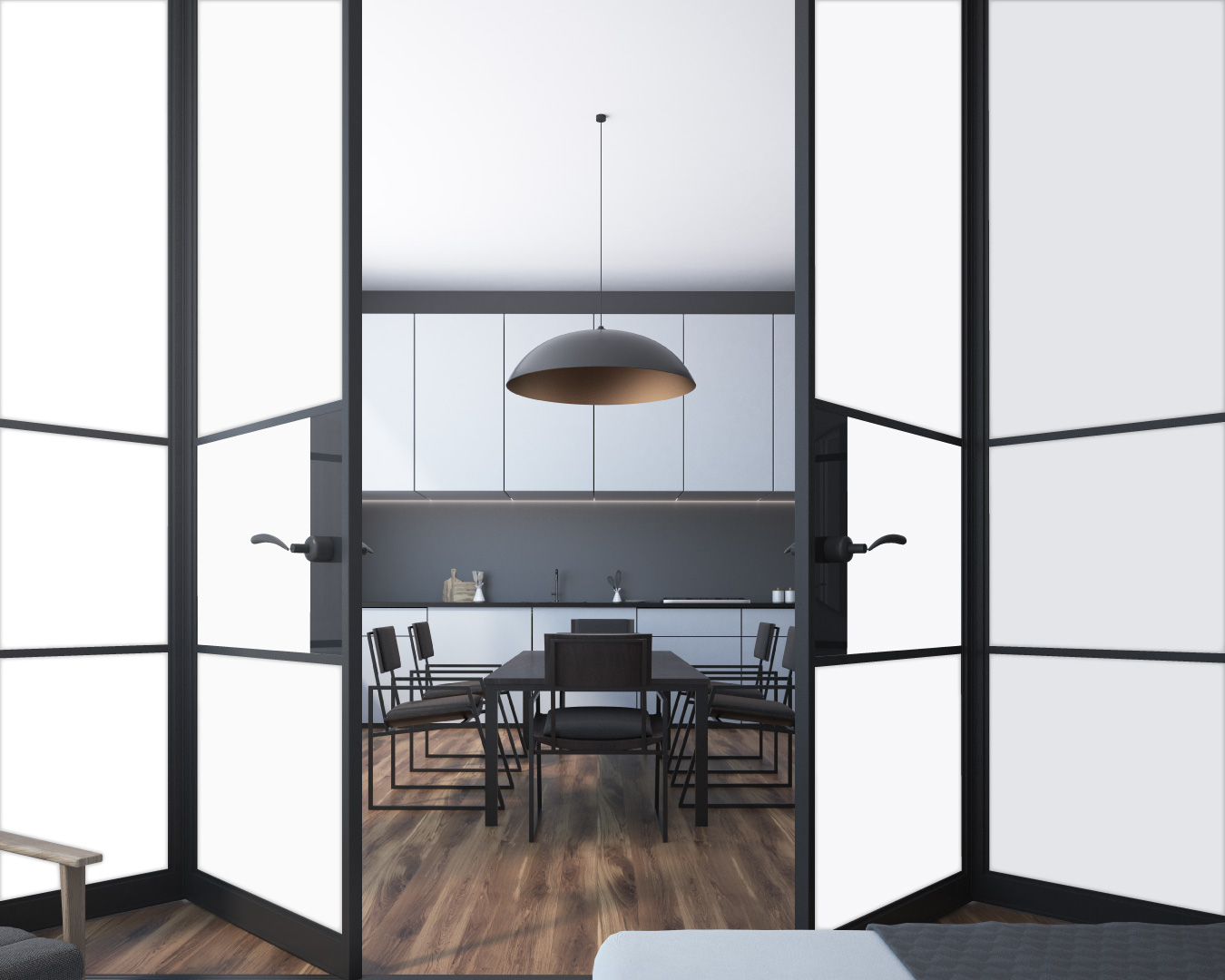
In the realm of modern interior design, open floor plans have become increasingly popular for their spaciousness and flexibility. However, while open layouts promote connectivity and a sense of flow, they often lack privacy, which is essential for comfort and functionality in residential and commercial spaces alike. Privacy glass, also known as switchable glass, offers an innovative solution to this challenge by providing dynamic control over visibility and privacy. Let’s explore how privacy glass is revolutionising open floor plans and enhancing the livability of contemporary interiors.

Understanding Privacy Glass
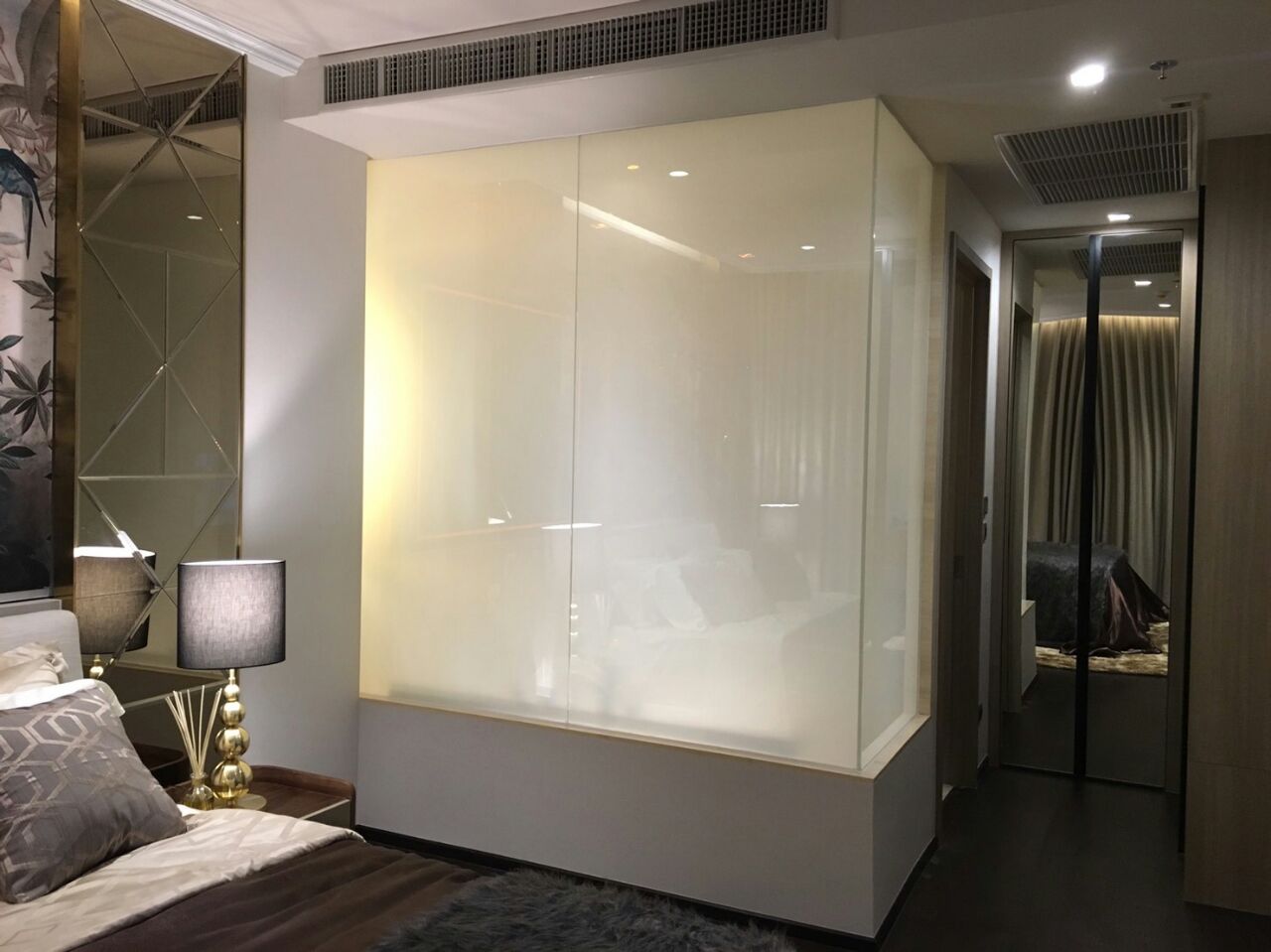
Privacy glass incorporates advanced technologies such as electrochromic, liquid crystal, or suspended particle devices (SPD) to alter its transparency on demand. By applying an electrical current, homeowners and designers can change the glass from transparent to opaque, effectively creating privacy barriers without the need for traditional window treatments.
Benefits of Privacy Glass in Open Floor Plans
1. Flexible Space Division
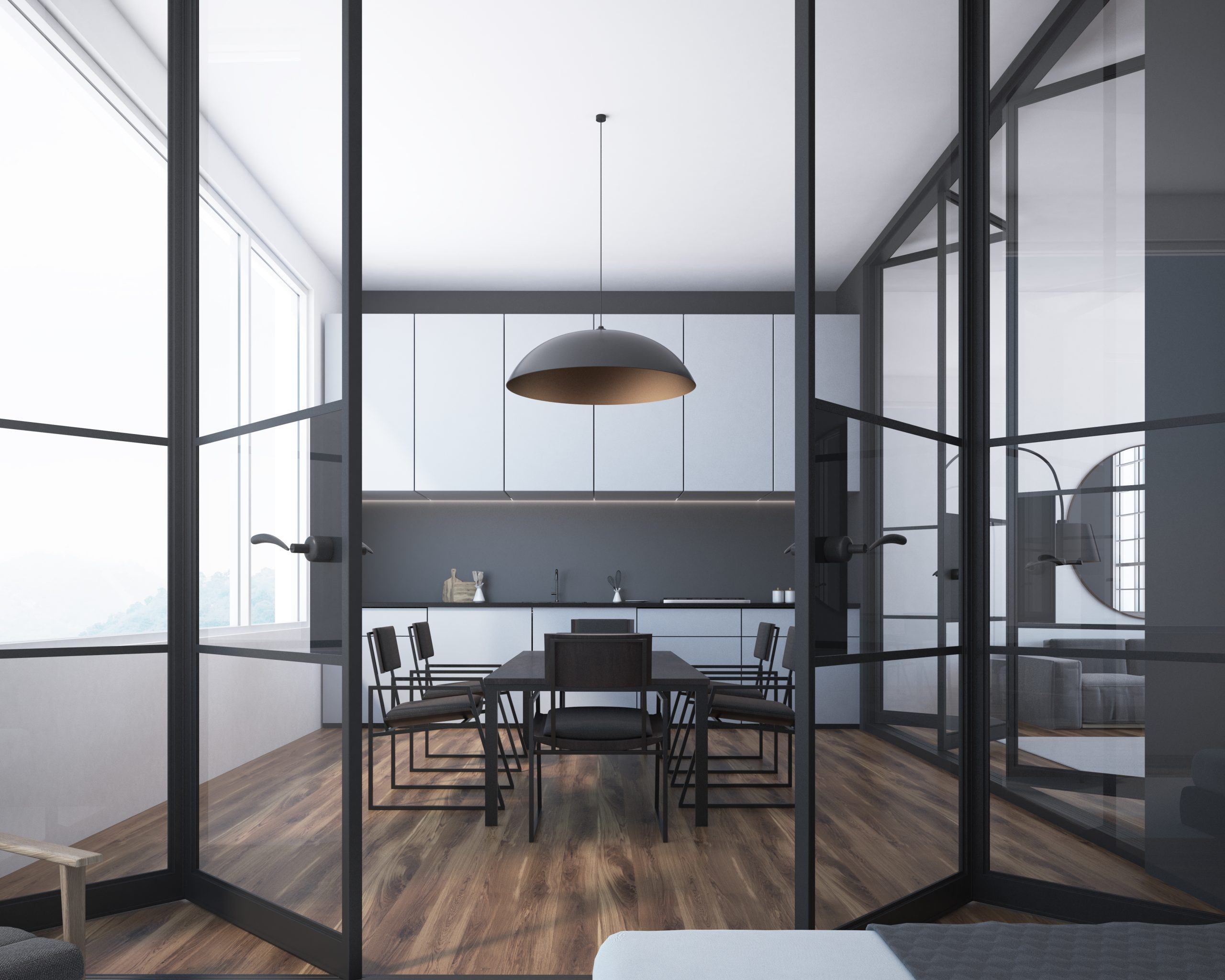
One of the primary advantages of privacy glass in open floor plans is its ability to divide spaces dynamically. For instance, in homes with open living areas, privacy glass partitions can be used to separate the living room from the dining area or home office. This flexibility allows occupants to adjust the space according to their needs while maintaining an open, airy feel when privacy is not required.
2. Enhanced Privacy On Demand
Privacy glass provides instant privacy with the flip of a switch or a tap on a smartphone app. This feature is particularly valuable in areas like bedrooms, bathrooms, and home offices, where occupants may desire privacy without sacrificing natural light or visual connectivity.
3. Optimised Natural Light
Maintaining natural light penetration is crucial in open floor plans to preserve the sense of spaciousness and connection to the outdoors. Privacy glass allows ample daylight to enter while offering the option to control glare and UV exposure. Homeowners can enjoy a well-lit environment without compromising on privacy.
4. Modern Aesthetics
From a design perspective, privacy glass contributes to a sleek, contemporary look that enhances the overall aesthetic of modern interiors. Its seamless integration into architectural elements such as doors, windows, and room dividers adds a sophisticated touch, complementing minimalist and industrial design themes.
5. Energy Efficiency
Privacy glass can contribute to energy efficiency by reducing the need for artificial lighting and improving thermal insulation. In its opaque state, it blocks solar heat gain during hot weather, reducing cooling costs. Conversely, in colder climates, it can help retain indoor heat, lowering heating expenses.
Applications of Privacy Glass in Open Floor Plans
1. Residential Settings
In homes with open floor plans, privacy glass can be used in various ways:
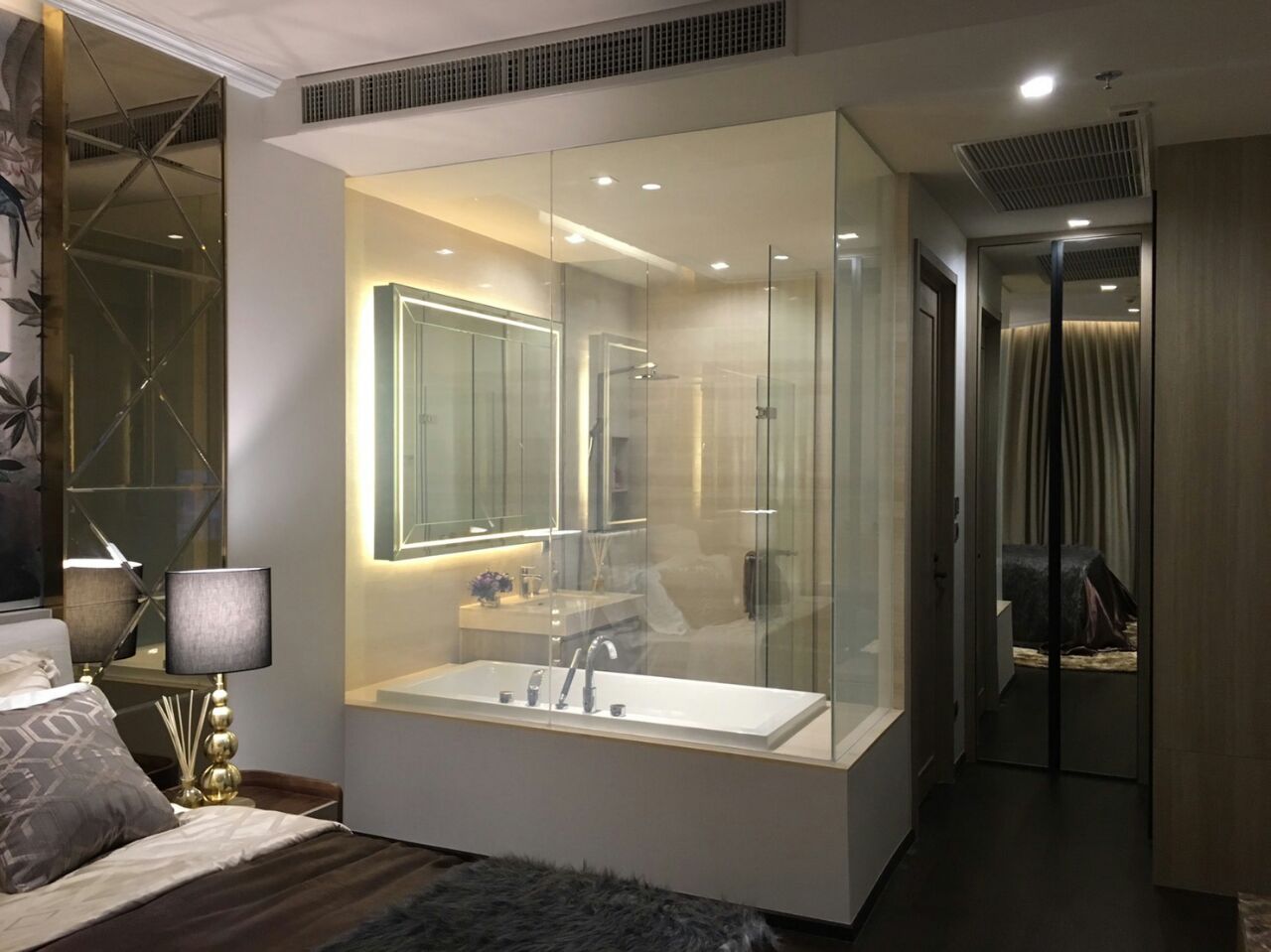
- Bedroom Privacy: Privacy glass windows or partitions in bedrooms allow occupants to enjoy natural light during the day while maintaining privacy at night.
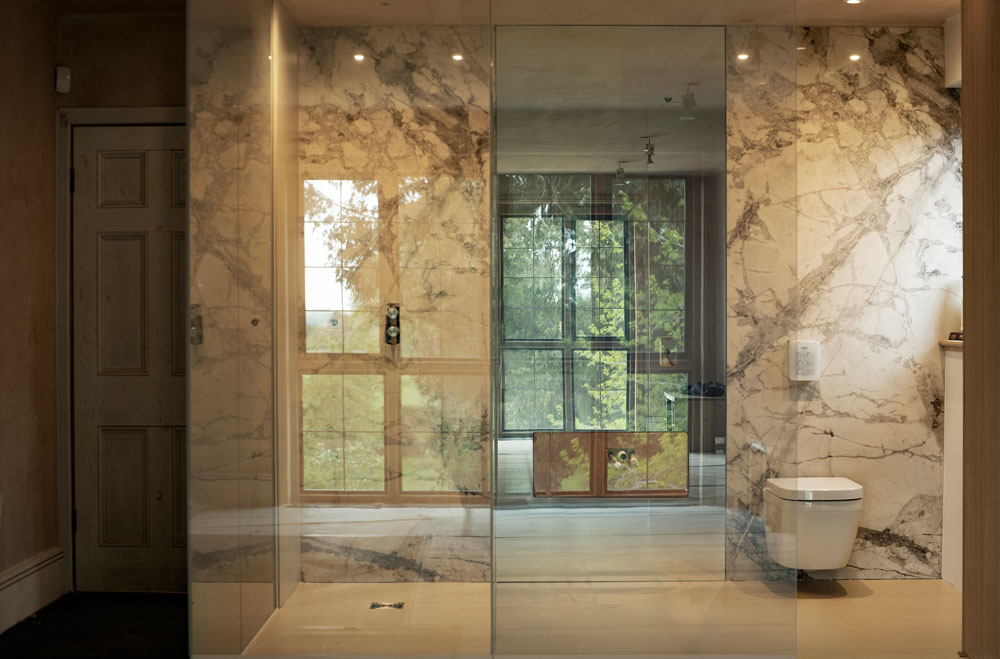
- Bathroom Partitions: Switchable glass in bathroom enclosures provides privacy during use and transparency when not in use, enhancing functionality and aesthetics.
- Home Office Dividers: Privacy glass partitions in home offices offer privacy for work tasks while promoting an open, collaborative environment when desired.
2. Commercial Spaces
Privacy glass is equally beneficial in commercial environments with open layouts:
- Office Interiors: In open-plan offices, privacy glass can be used in meeting rooms or executive offices to provide confidentiality during discussions or presentations.
- Retail Stores: Dynamic storefronts with privacy glass attract customers during business hours and ensure security and privacy after closing.
3. Hospitality Industry
Hotels and resorts utilise privacy glass in guest rooms and suites to enhance guest comfort and privacy. Smart glass partitions between bedroom and bathroom areas offer a luxurious experience while maintaining an open, spacious feel.
Considerations for Integration
1. Space Planning
Evaluate the layout and functionality of each space to determine optimal locations for privacy glass installations. Consider traffic flow, natural light exposure, and privacy needs when planning installations.
2. Technology Integration
Choose privacy glass solutions that integrate seamlessly with smart home or building automation systems. This allows for convenient control via mobile apps, voice commands, or automated schedules based on occupancy or time of day.
3. Maintenance and Care
Regular cleaning and maintenance of privacy glass are essential to ensure optimal performance and longevity. Follow manufacturer guidelines for cleaning products and procedures to avoid damaging the glass or electrical components.
Conclusion
Privacy glass is transforming open floor plans by offering a versatile solution to enhance privacy while maintaining the benefits of natural light and spatial connectivity. Whether used in residential homes, commercial offices, or hospitality settings, privacy glass adds functionality, aesthetics, and energy efficiency to modern interiors. As homeowners and designers continue to seek innovative solutions for flexible living and working spaces, privacy glass stands out as a modern, high-tech solution that meets the evolving demands of contemporary lifestyles.
By embracing privacy glass, homeowners and businesses can create environments that are both functional and visually appealing, setting new standards for modern living and working spaces.
Who We Are
Tecdur is the leading manufacturer of smart glass for the UK and Ireland. Tecdur Switchable Glass provides the best clarity, lowest power consumption and lowest haze currently available. We can offer a wide range of specifications to meet project requirements with our switchable glass, cost is dependent on specification, application and design. Please get in contact with us to discuss further.
Please visit our portfolio for a look at completed projects. Keep up to date on our LinkedIn Showcase page


Frequently asked Questions

Our privacy glass works by utilising advanced PDLC (Polymer Dispersed Liquid Crystal) film. When an electrical current is applied, the liquid crystal molecules align, allowing light to pass through, making the glass transparent. When the current is switched off, the molecules mis-align, causing the glass to turn opaque or translucent, providing privacy.
Yes, privacy glass can be retrofitted into existing homes with open floor plans. Consult with a professional installer to assess feasibility and recommend suitable installation options based on your home’s layout and design.
Privacy glass regulates solar heat gain and loss, reducing the need for artificial lighting and improving thermal insulation. This contributes to energy savings by lowering heating and cooling costs.
Yes, privacy glass is versatile and can be used in both residential and commercial settings. It enhances privacy in bedrooms, bathrooms, offices, and meeting rooms while promoting natural light and aesthetic appeal.
Regular cleaning and inspection of electrical connections are recommended to maintain optimal performance of privacy glass. Follow manufacturer guidelines for cleaning products and procedures to preserve its functionality and longevity.