



Introduction
In the banking and financial sector, private consultation rooms are essential spaces where clients discuss sensitive financial matters, seek advice, and conduct transactions requiring confidentiality. Transforming these rooms into secure, adaptable environments is crucial for maintaining client trust and meeting regulatory standards. Privacy glass emerges as a modern solution that enhances privacy while offering versatility in design. This blog explores how privacy glass can elevate private consultation rooms in the UK financial sector, providing insights for users, architects, and building planners.

Understanding Privacy Glass
Privacy glass incorporates advanced technologies such as electrochromic, liquid crystal, or suspended particle devices (SPD) to alter its transparency on demand. It allows users to control visibility electronically, providing instant privacy without the need for traditional window treatments like curtains or blinds.
Enhancing Privacy and Confidentiality
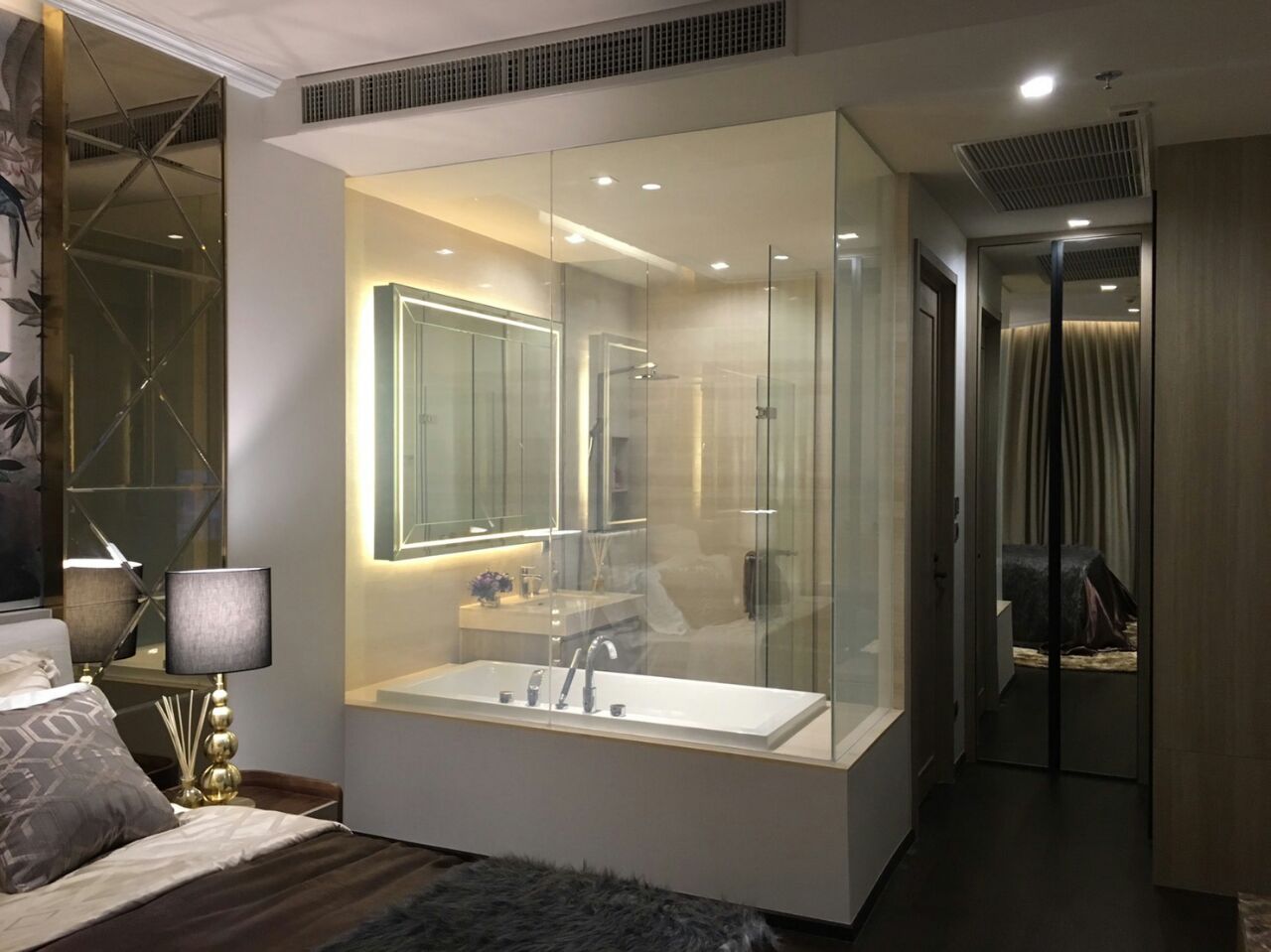
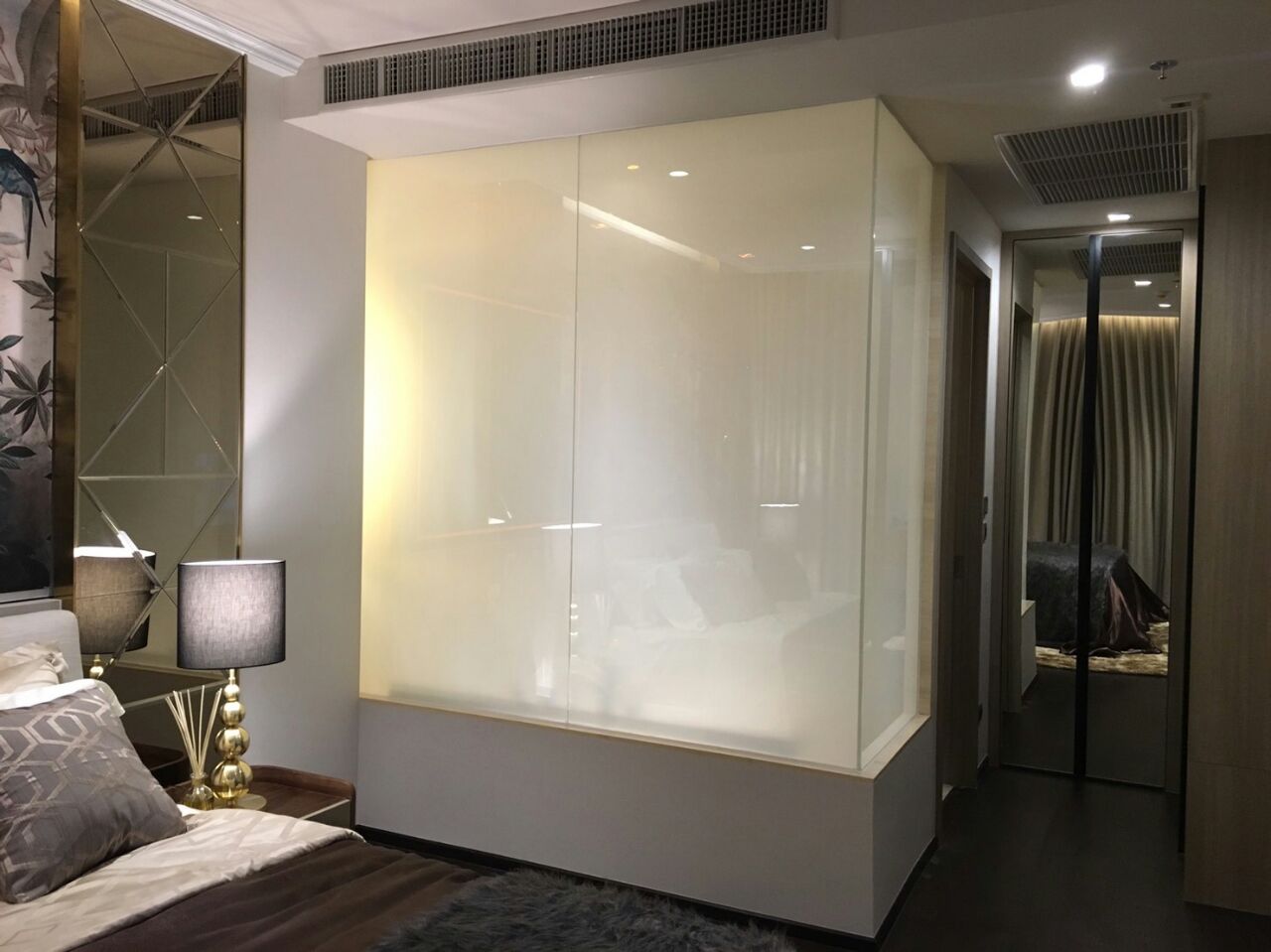
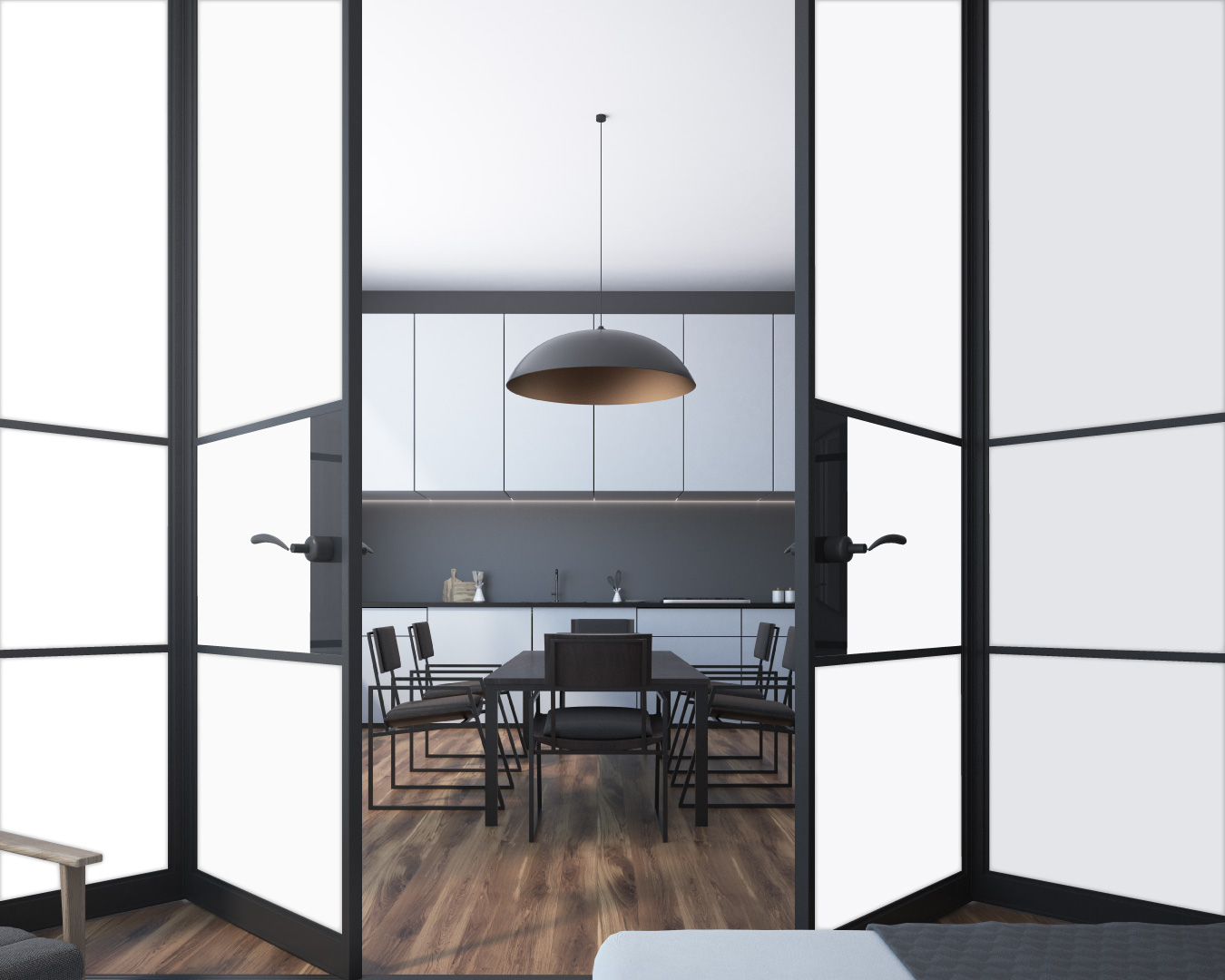
Privacy glass, also known as switchable glass or smart glass, is a cutting-edge technology that can change from transparent to opaque with the flip of a switch. This transformation is achieved through advanced materials like liquid crystal, electrochromic films, or suspended particle devices. In private consultation rooms, privacy glass ensures that discussions remain confidential by preventing visual access from outside the room.
Advantages of Privacy Glass in Consultation Rooms
Protecting Client Confidentiality
Privacy glass creates a secure environment for discussing sensitive financial information. When opaque, it prevents unauthorised individuals from seeing or overhearing conversations, safeguarding client confidentiality and enhancing trust between clients and financial institutions.
Flexibility in Space Design
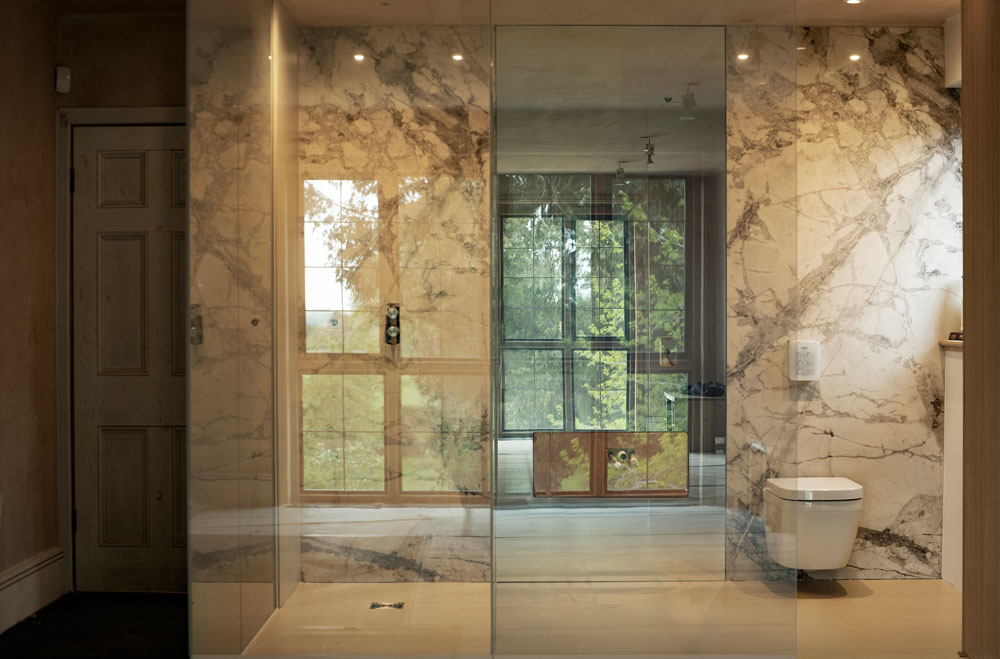
The ability to control the transparency of glass walls offers flexibility in space design. Consultation rooms can be open and inviting when transparency is desired, and instantly transform into private, enclosed spaces for confidential discussions. This adaptability optimises the use of space and enhances user experience.
Modern Aesthetics
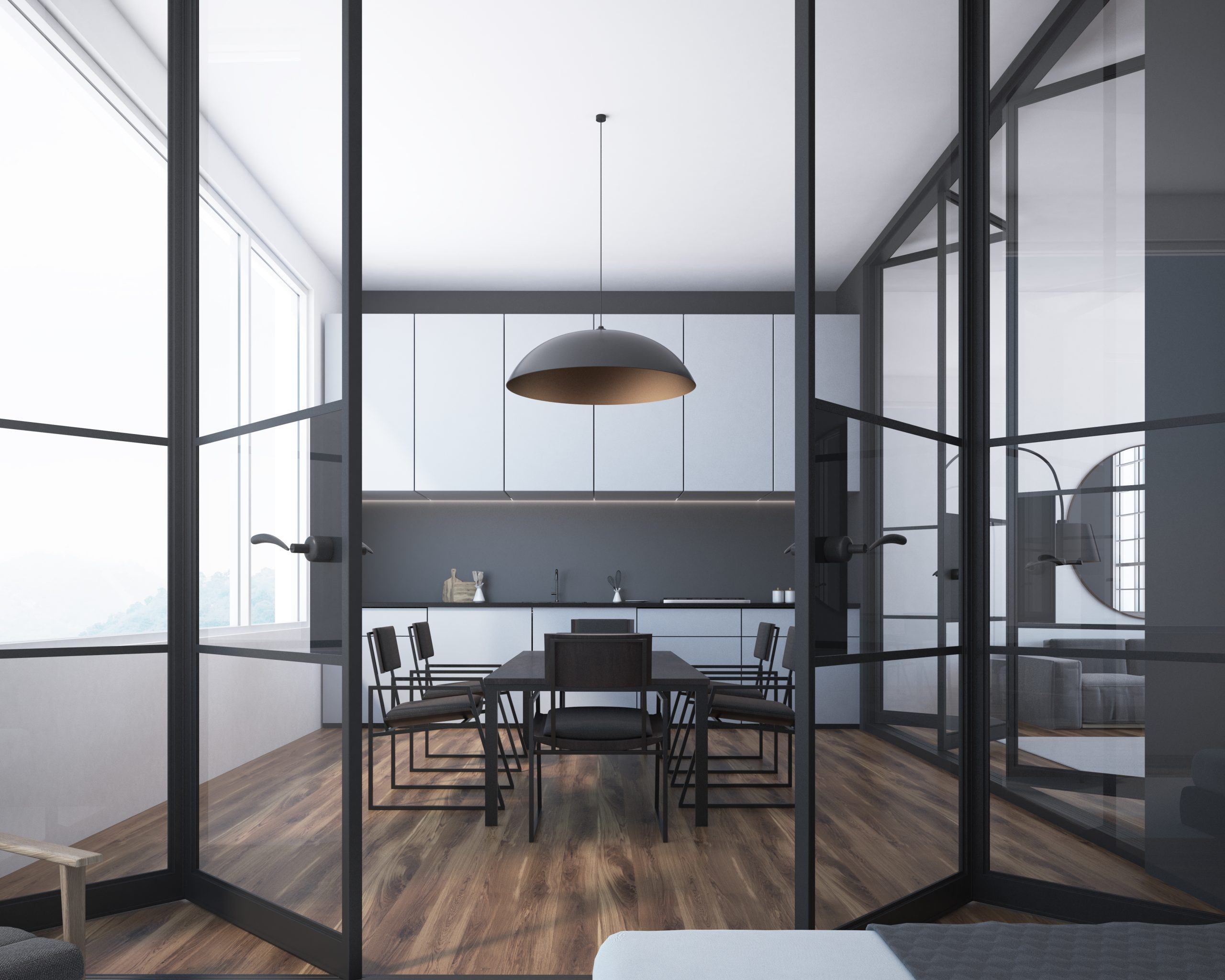
Privacy glass contributes to a sleek and modern aesthetic in consultation rooms. Its clean lines and contemporary appearance complement the professional setting of financial institutions, creating a sophisticated atmosphere that reflects the institution’s commitment to innovation and client privacy.
Improved Security Measures
Privacy glass serves as an additional security measure by restricting visual access to sensitive information. This feature is particularly beneficial in high-traffic areas where maintaining privacy during client consultations is challenging without compromising accessibility or comfort.
Energy Efficiency
Many types of privacy glass offer energy-efficient properties, such as improved insulation and reduced reliance on artificial lighting. By controlling natural light and maintaining optimal temperatures, privacy glass helps financial institutions reduce energy consumption and operational costs, supporting sustainable building practices.
Conclusion
Privacy glass transforms private consultation rooms in the banking and financial sector by enhancing privacy, flexibility in design, modern aesthetics, security measures, and energy efficiency. For architects, building planners, and stakeholders in the UK financial sector, integrating privacy glass into consultation room designs offers a forward-thinking solution that aligns with regulatory requirements and client expectations.
As financial institutions continue to prioritise client confidentiality and operational efficiency, privacy glass emerges as a versatile and innovative tool. By investing in privacy glass, banks can create confidential and adaptable consultation spaces that foster trust and enhance client experience.
Who We Are
Tecdur is the leading manufacturer of smart glass for the UK and Ireland. Tecdur Switchable Glass provides the best clarity, lowest power consumption and lowest haze currently available. We can offer a wide range of specifications to meet project requirements with our switchable glass, cost is dependent on specification, application and design. Please get in contact with us to discuss further.
Please visit our portfolio for a look at completed projects. Keep up to date on our LinkedIn Showcase page


Frequently asked Questions

Our privacy glass works by utilising advanced PDLC (Polymer Dispersed Liquid Crystal) film. When an electrical current is applied, the liquid crystal molecules align, allowing light to pass through, making the glass transparent. When the current is switched off, the molecules mis-align, causing the glass to turn opaque or translucent, providing privacy.
Privacy glass ensures that discussions and transactions in consultation rooms remain confidential by preventing visual access from outside. When opaque, it shields sensitive information from unauthorised viewing, enhancing client trust and compliance with privacy regulations.
Yes, privacy glass can be seamlessly integrated into both new and existing consultation room designs. It is available in various styles and can be customised to fit specific architectural requirements, providing flexibility in space design while maintaining confidentiality.
Many types of privacy glass offer energy-efficient properties, such as improved insulation and reduced reliance on artificial lighting. By controlling natural light and maintaining optimal temperatures, privacy glass helps financial institutions reduce energy consumption and operational costs.
Privacy glass enhances the aesthetic appeal of consultation rooms with its modern and sleek appearance. It complements the professional setting of financial institutions, creating a sophisticated atmosphere that reflects innovation and commitment to client privacy.