



Introduction
In an era where financial transactions and banking operations are increasingly vulnerable to security breaches, ensuring the safety and privacy of both clients and staff is paramount. One innovative solution that has gained traction in recent years is the use of privacy glass. This blog will explore how privacy glass can enhance security and privacy within banks, offering insights for architects, building planners, and stakeholders in the UK financial sector. For a quick overview of product types and controls, see our guide to switchable glass privacy solutions.

Understanding Privacy Glass
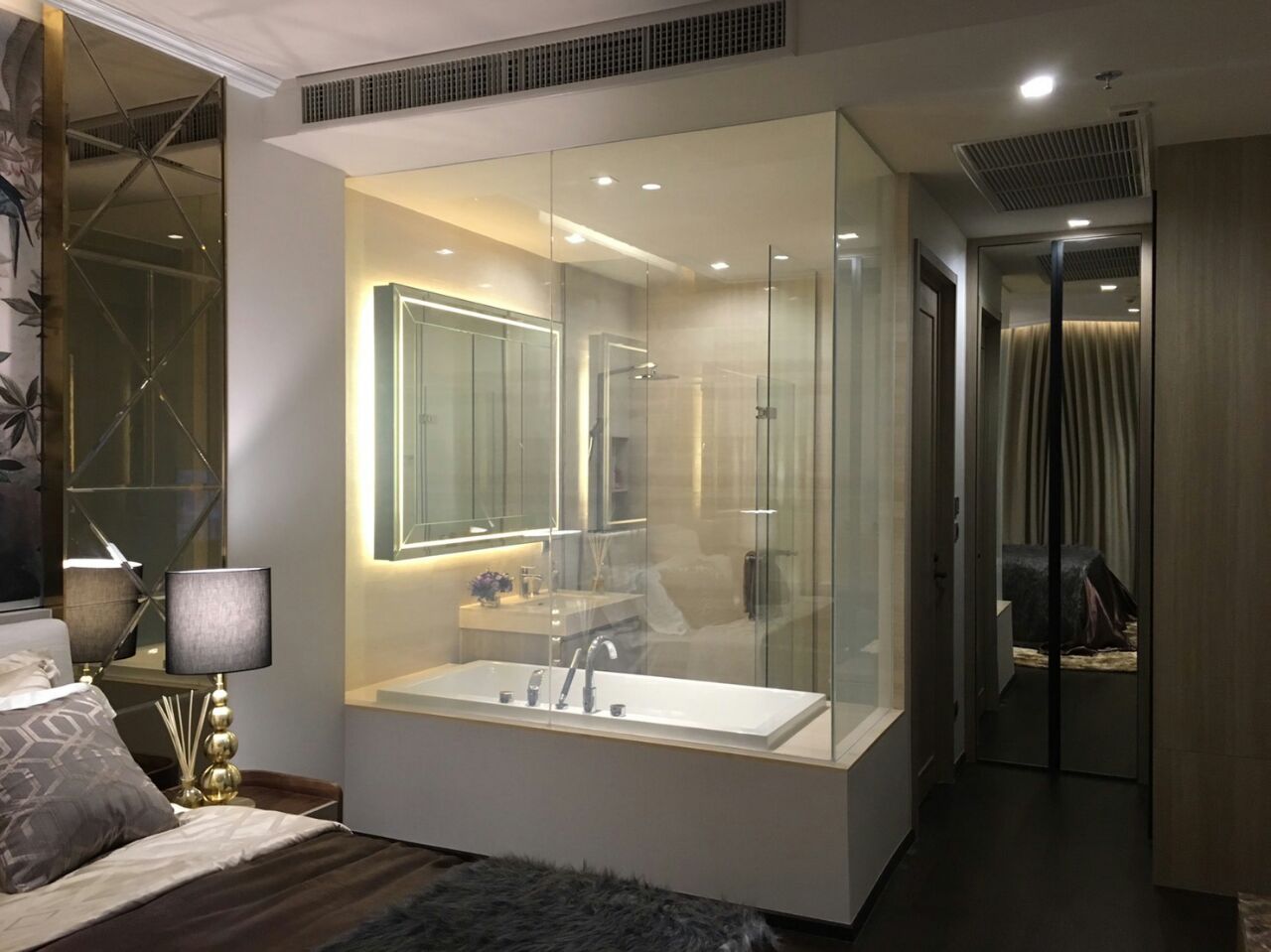
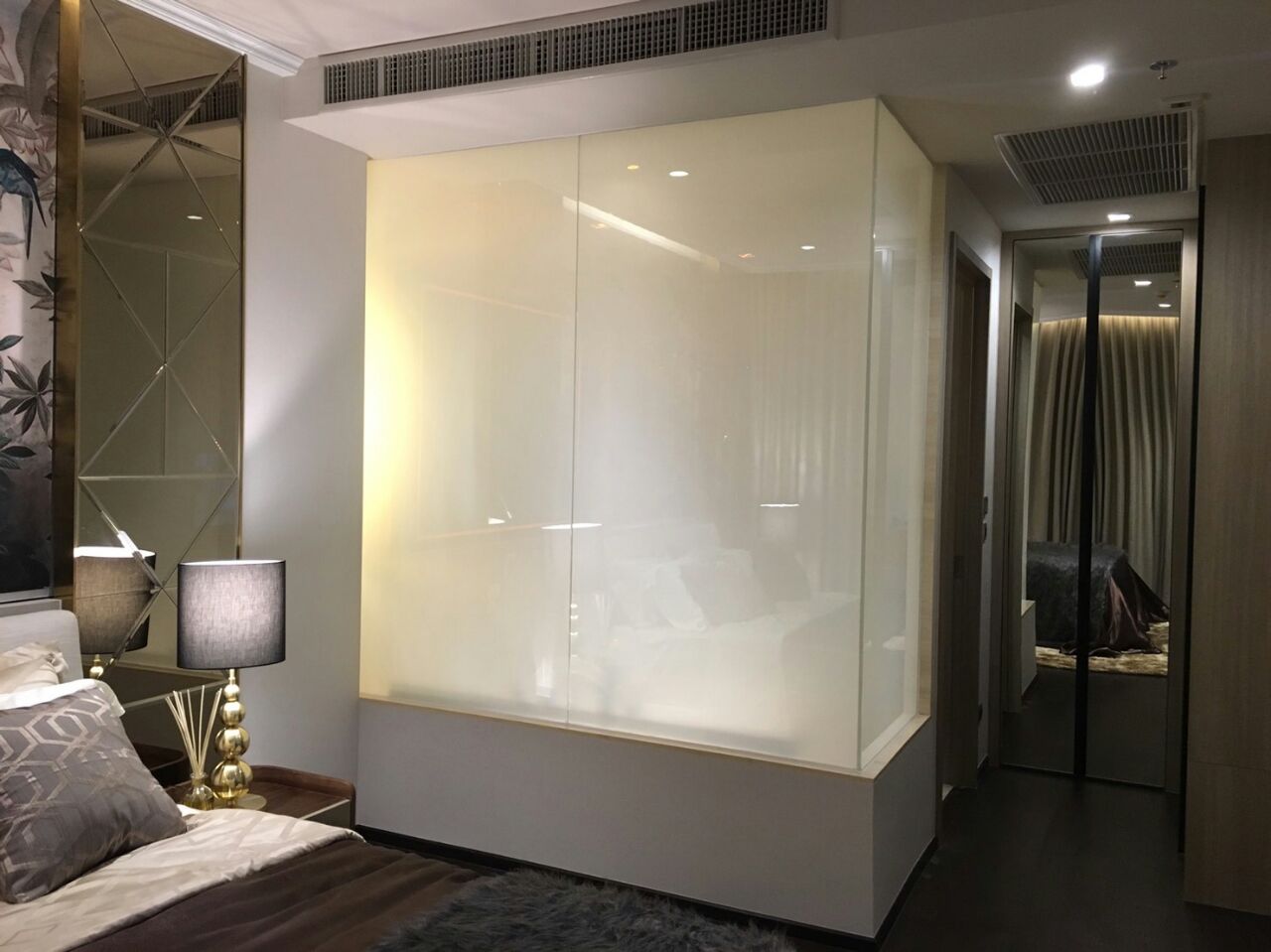
Privacy glass, also known as switchable glass or smart glass, is a type of glazing that can change from transparent to opaque at the flick of a switch. This transformation is achieved through various technologies, such as liquid crystal, electrochromic, or suspended particle devices. If you’re weighing dynamic glazing options for branch design, this comparison of electrochromic vs thermochromic glass is a helpful starting point, and our summary of smart glass benefits outlines the operational wins banks typically see.
The Security Benefits
Enhanced Visual Security
One of the primary advantages of privacy glass in banks is enhanced visual security. Sensitive areas such as manager offices, transaction counters, and meeting rooms can benefit greatly. When these spaces are in use, the glass can be switched to opaque, preventing unauthorised individuals from observing sensitive activities. This is particularly useful during high-stakes meetings or when handling large sums of money. For rooms that double as client presentation spaces, many practices from switchable privacy glass for conference rooms apply directly to branch boardrooms.
Deterrence of Criminal Activity
Visible security measures can act as a deterrent to potential criminals. Privacy glass adds an extra layer of security by making it difficult for outsiders to assess the internal layout and activities within the bank. This ambiguity can discourage criminal planning and reduce the likelihood of targeted attacks.
Rapid Response and Flexibility
In the event of a security threat, the ability to quickly switch glass from transparent to opaque can provide an immediate protective barrier. This rapid response capability is invaluable during emergencies, allowing staff to secure areas swiftly without the need for physical barriers or shutters.
Privacy and Confidentiality
Protection of Client Information
Privacy glass is essential in protecting client information during consultations and transactions. Financial discussions often involve the sharing of sensitive personal and financial details. With privacy glass, these conversations can be conducted in a secure environment, ensuring that client confidentiality is maintained at all times—one of the core benefits of smart glass in people-facing spaces.
Creating Private Spaces
Banks often serve a diverse range of clients with varying needs for privacy. Privacy glass allows banks to create adaptable private spaces that can be adjusted based on client requirements. Whether it’s a high-net-worth individual seeking discretion or a business client discussing confidential matters, privacy glass provides the flexibility to accommodate these needs seamlessly.
Enhancing Client Trust
The implementation of privacy glass can enhance client trust. Knowing that their privacy is prioritised can improve client satisfaction and loyalty. In an industry where trust is a critical asset, taking visible steps to protect client information can set a bank apart from its competitors.
Design and Aesthetics
Modern and Professional Appearance
Beyond security and privacy, privacy glass offers significant aesthetic benefits. It provides a sleek, modern appearance that aligns with contemporary design trends in banking environments. The ability to switch between transparent and opaque states allows for dynamic space management, contributing to a professional and adaptable interior design. For inspiration on balancing openness and discretion across customer areas, explore our residential privacy glass lookbook—many concepts translate well to lounge-style branch zones.
Integration with Sustainable Design
Privacy glass can also contribute to sustainable building design. Many types of privacy glass offer energy-efficient properties, such as improved insulation and reduced need for artificial lighting. These features can support banks in meeting sustainability targets and reducing operational costs. When planning, it’s wise to review common smart glass disadvantages (e.g., wiring runs and control strategies) early so the specification aligns with performance goals.
Conclusion
For architects, building planners, and stakeholders in the UK banking sector, the integration of privacy glass is a forward-thinking strategy that addresses multiple challenges. From enhancing security and protecting client privacy to offering design flexibility and contributing to sustainability, privacy glass is a multifaceted solution that aligns with the evolving needs of modern banks. For a deeper dive into product choices and control methods, start with our guide to switchable glass privacy solutions.
As the financial industry continues to navigate the complexities of the digital age, investing in innovative technologies like privacy glass can provide a competitive edge, ensuring that banks remain secure, private, and client-focused in an ever-changing landscape.
Who We Are
Tecdur is the leading manufacturer of smart glass for the UK and Ireland. Tecdur Switchable Glass provides the best clarity, lowest power consumption and lowest haze currently available. We can offer a wide range of specifications to meet project requirements with our switchable glass, cost is dependent on specification, application and design. Please get in contact with us to discuss further.
Please visit our portfolio for a look at completed projects. Keep up to date on our LinkedIn Showcase page


Frequently asked Questions

Our privacy glass works by utilising advanced PDLC (Polymer Dispersed Liquid Crystal) film. When an electrical current is applied, the liquid crystal molecules align, allowing light to pass through, making the glass transparent. When the current is switched off, the molecules mis-align, causing the glass to turn opaque or translucent, providing privacy.
Privacy glass enhances security in banks by providing visual security for sensitive areas such as transaction counters, manager offices, and meeting rooms. When switched to opaque, it prevents unauthorised individuals from observing internal activities, thereby protecting sensitive information and deterring criminal activity. In emergency situations, it allows for rapid response by securing areas quickly and effectively.
Privacy glass ensures that client consultations and transactions are conducted in a secure environment, safeguarding personal and financial information. By allowing spaces to become opaque, privacy glass prevents eavesdropping and visual access to sensitive discussions, thus maintaining client confidentiality and building trust between the bank and its clients.
Yes, privacy glass can be easily integrated into both new and existing bank designs. It offers a modern and professional appearance that complements contemporary architectural trends. Privacy glass is available in various styles and can be customised to fit different design requirements, making it a flexible and adaptable solution for enhancing security and privacy in bank environments.
Many types of privacy glass offer energy-efficient properties, such as improved insulation and the ability to reduce the need for artificial lighting. This can help banks meet sustainability targets by lowering energy consumption and operational costs. Additionally, the use of privacy glass can contribute to creating a more sustainable and environmentally friendly building design, aligning with modern green building standards.