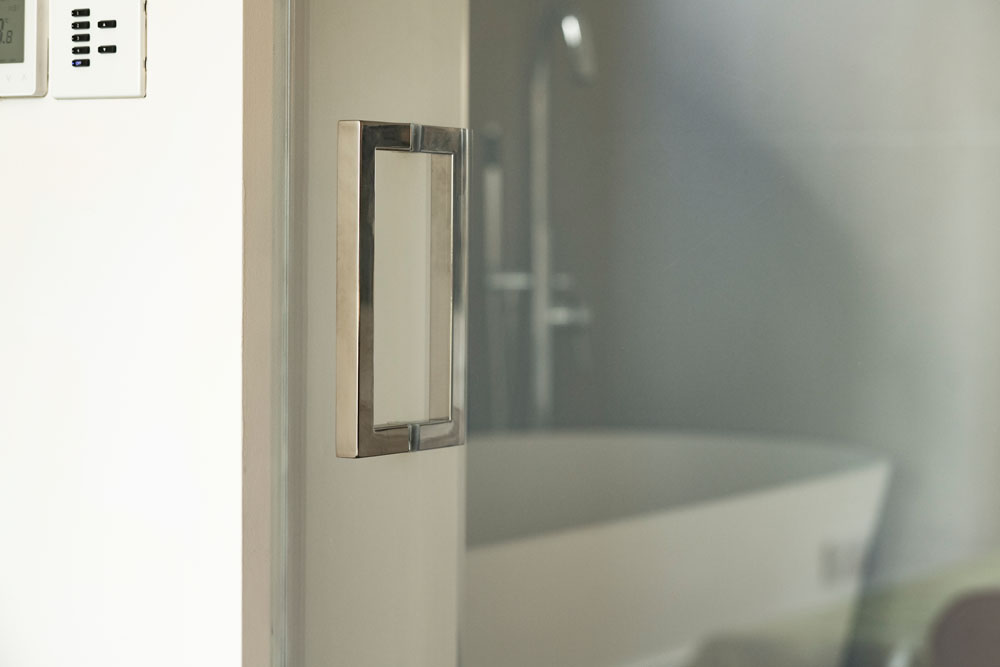



What is Switchable Privacy Glass?
Switchable privacy glass is a cutting-edge technology that allows glass panels to shift from transparent to opaque with the flick of a switch. Using either electric current or other stimuli, the glass can change its visual properties, offering instant privacy when needed. This technology is finding its way into many settings, but its application in bathrooms is gaining significant traction.
Why Bathrooms? The Growing Trend
Bathrooms have traditionally been spaces where privacy and aesthetics are critical. With modern design trends favoring open, minimalist spaces, privacy glass provides a perfect blend of functionality and style. The ability to switch between open views and complete seclusion aligns well with the demand for sleek, multipurpose designs.
Overview of What This Post Will Cover: This post will delve into how switchable privacy glass works, its key benefits for bathrooms, installation considerations, expert insights, and future trends. By the end, you’ll understand whether this innovative solution is right for your space.
Understanding Switchable Privacy Glass
How Does Switchable Glass Work?
Switchable glass uses technologies such as liquid crystal or suspended particle devices (SPD). In its transparent state, electrical currents align particles within the glass, allowing light to pass through. When the current is switched off, the particles scatter, turning the glass opaque. This process is nearly instantaneous.
Different Types of Switchable Glass Technologies
The two main types of switchable glass technologies are electrochromic and PDLC (Polymer Dispersed Liquid Crystal). Electrochromic glass gradually changes opacity when voltage is applied, while PDLC glass switches instantly between transparent and opaque states.
Differences Between Smart Glass and Privacy Film
While smart glass is integrated into the glass itself, privacy film is an adhesive layer applied to the surface of existing glass. Although privacy films are less expensive, they lack the seamless integration and durability that true switchable glass provides.
Key Benefits of Switchable Privacy Glass in Bathrooms
- Enhanced Privacy Control: Switchable glass offers immediate control over privacy. This is particularly useful in shared bathrooms or open-concept designs where users may need to switch between transparency and opacity quickly.
- Aesthetic and Design Versatility: Architects and designers favor switchable glass for its ability to maintain clean lines and open spaces while still ensuring privacy. It fits well with modern, sleek bathroom designs.
- Improved Space Utilization: Bathrooms are often constrained by space, and traditional walls can make them feel cramped. Switchable glass opens up these spaces, allowing for light flow while still providing separation when required.
- Energy Efficiency and Lighting: When used in windows, switchable glass can control light and heat, contributing to energy savings. In bathrooms, it allows natural light to enter while still maintaining privacy, reducing the need for artificial lighting.
- Durability and Low Maintenance
Switchable glass is designed to withstand moisture, high temperatures, and constant use, making it a durable choice for bathrooms. It’s easy to clean and resistant to mold or grime buildup, unlike traditional curtains or blinds.
Installation Considerations
- Retrofitting Existing Bathrooms: Switchable glass can be integrated into existing spaces, but the cost and complexity will vary depending on the current layout. Retrofitting often involves replacing entire panels or adding control mechanisms, which can increase labor costs.
- Cost of Installation and Maintenance: Switchable glass installation tends to be more expensive than traditional glass. However, the long-term benefits, such as enhanced privacy and reduced lighting costs, can justify the investment.
- Power Requirements: Switchable glass requires a constant source of electricity to maintain its transparent state. Bathrooms being wet environments, careful planning is needed to ensure proper wiring and safety measures.
- Regulatory and Safety Compliance: When installing in bathrooms, ensure compliance with local building codes regarding electrical safety and glazing standards, especially in wet zones.
Use Cases and Applications
- Residential Bathrooms: In private homes, switchable glass is popular in master bathrooms and ensuite configurations. It offers homeowners the ability to enjoy an open, light-filled bathroom without compromising on privacy.
- Commercial and Hospitality Spaces: Hotels and luxury spas have increasingly adopted switchable glass, allowing spaces to serve dual purposes without redesigning interiors or sacrificing aesthetics.
- Public Restrooms and Healthcare Facilities: Public restrooms and healthcare facilities benefit from switchable glass for sanitation and privacy reasons. It provides clean, non-intrusive privacy solutions in high-traffic areas.
Materials and Design Options
- Glass Thickness and Material Choices: Switchable glass comes in various thicknesses, depending on the required durability and application. For bathrooms, thicker glass is often preferred for safety reasons.
- Frames, Edges, and Customization: Customization options include various frame materials, edge finishes, and the ability to integrate the glass seamlessly into shower enclosures or window systems.
- Choosing the Right Opacity and Tint Levels: Different levels of opacity and tint can be selected based on personal preference. Some users prefer a frosted look, while others opt for a darker tint for increased privacy.
Smart Integration and Control
- Manual vs. Automated Switch Controls: Switchable glass can be controlled manually with a simple switch or integrated into automated systems that can be controlled remotely.
- Integrating with Smart Home Systems: Smart homes can integrate switchable glass into their existing systems, allowing for voice control or timed transitions between transparent and opaque states.
- Remote Operation and IoT Connectivity: IoT-enabled switchable glass can be controlled via mobile apps or connected devices, giving users complete control over their privacy settings even when they’re not at home.
Future Trends in Bathroom Glass Technology
-
- Nanotechnology in Glass: Nanotechnology is paving the way for more advanced switchable glass, making it more affordable, durable, and energy-efficient.
- New Smart Glass Innovations: Innovations in materials science are reducing the power consumption of switchable glass, expanding its applications beyond luxury homes and hotels.
- Emerging Market Trends and Cost Reductions: As demand increases, the cost of switchable glass is expected to decrease, making it more accessible to the average consumer.
Conclusion
Recap of Key Benefits and Considerations: Switchable privacy glass offers enhanced privacy, energy efficiency, and design versatility, making it a worthwhile investment for modern bathrooms.
Final Thoughts: Is It Worth the Investment?
For homeowners looking to upgrade their bathroom with cutting-edge technology, switchable privacy glass offers a unique combination of practicality and luxury.