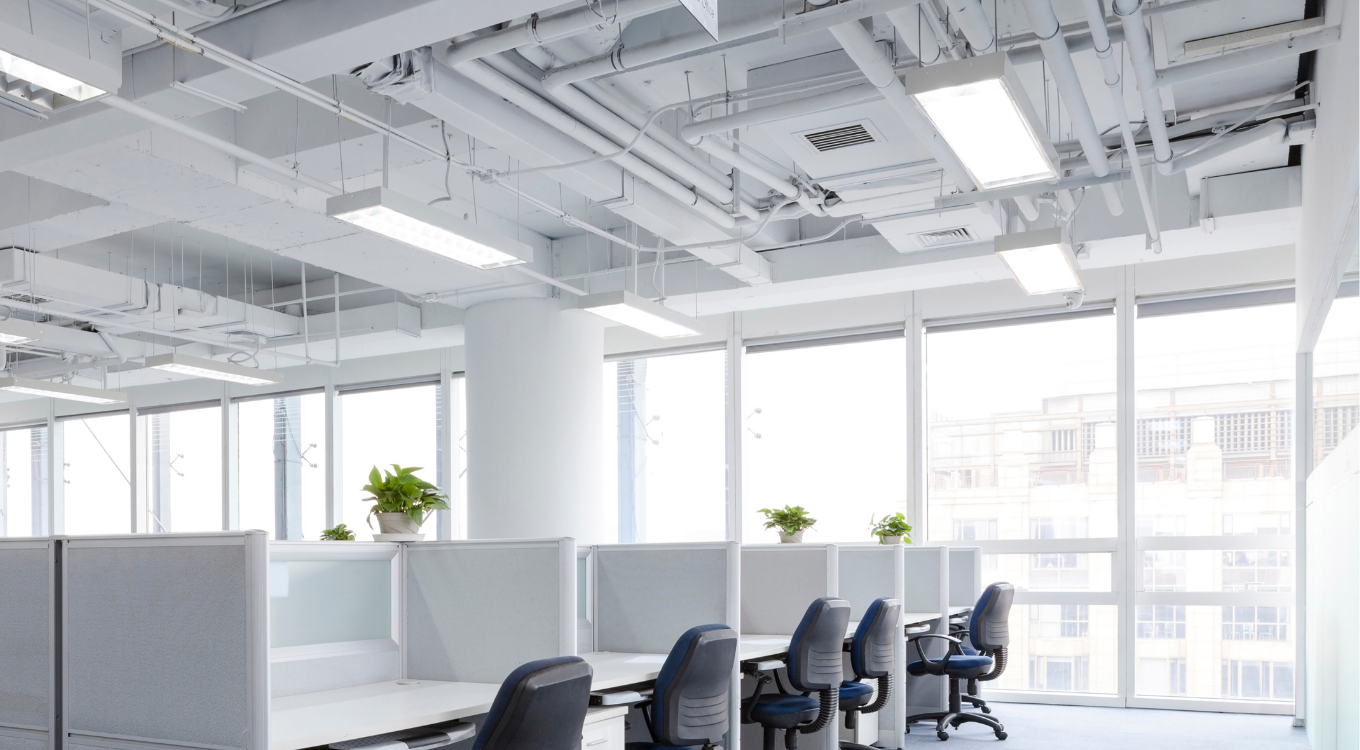



In the fast-paced world of tech giants, creating innovative workspaces that foster creativity, collaboration, and privacy is crucial. As companies like Google, Facebook, Apple, and others continue to evolve, so too do the ways in which they design their office environments. One design trend that is gaining traction in tech offices is the use of privacy glass.
Privacy glass, also known as switchable glass or smart glass, is revolutionising how workplaces balance transparency and confidentiality. Whether it’s for meeting rooms, individual workstations, or collaborative spaces, tech giants are increasingly turning to privacy glass to enhance the functionality and aesthetics of their office environments.
In this blog, we’ll explore the reasons why privacy glass is becoming a go-to solution for big tech companies and how it can benefit companies looking to create dynamic learning environments.
What Is Privacy Glass?
At its core, privacy glass is a type of glass that can change its transparency or opacity with the flick of a switch. This transformation is made possible by special materials embedded in the glass, such as liquid crystals or electrochromic elements. When powered on, the glass is transparent, allowing light to pass through. When powered off, the glass turns opaque, providing privacy by blocking the view from outside.
There are two main types of privacy glass:
- Electrochromic Glass: This type of privacy glass changes its tint or opacity in response to an electrical current. It’s perfect for controlling light and providing privacy on demand.
- LCD Privacy Glass: Liquid crystal technology embedded in the glass changes the clarity of the panel. It instantly shifts from clear to frosted, providing privacy when needed and maintaining openness when desired
Enhancing Privacy and Confidentiality
One of the most obvious reasons tech companies are embracing privacy glass is to improve privacy in the workplace. In open-plan offices, maintaining confidentiality can be a challenge. Teams working on sensitive projects or dealing with confidential information need spaces where they can have private conversations or make important decisions without worrying about being overheard.
Privacy glass helps solve this problem by offering on-demand privacy. With the push of a button, a meeting room or office space becomes instantly private, providing a secure environment for discussions that require confidentiality. This technology is particularly beneficial in industries where privacy and security are top priorities, such as in tech, finance, and legal sectors.
Aesthetic Appeal and Modern Design
Big tech companies are known for their sleek, modern office designs, and privacy glass fits perfectly into this aesthetic. Privacy glass offers a futuristic, clean look that enhances the overall appearance of any space. The smooth transition from transparent to opaque adds an element of sophistication to meeting rooms, conference areas, and even individual offices.
The use of privacy glass allows companies to create open, airy spaces that still offer the flexibility of privacy when needed. It reduces the need for bulky partitions or curtains, allowing for better flow and natural light. This is particularly important in today’s workspaces, where the focus is on creating environments that boost productivity and creativity.
Flexibility and Adaptability
Another major reason tech giants are choosing privacy glass is its flexibility. Unlike traditional office partitions or cubicles, privacy glass can be adjusted to suit different needs throughout the day. For example, a meeting room that’s used for a brainstorming session in the morning can be switched to a private, confidential space for a one-on-one meeting in the afternoon.
This adaptability makes privacy glass a highly functional choice for offices where the use of space needs to be fluid and dynamic. The glass can be easily integrated into a variety of architectural designs, from glass walls to partitions, providing a seamless solution for both privacy and openness.
Increased Productivity and Collaboration
A well-designed workspace fosters collaboration, and privacy glass can be key to creating an environment that encourages both collaboration and productivity. While open-plan offices are great for communication and teamwork, they can also be noisy and distracting. The ability to adjust the level of privacy in a space ensures that employees have the flexibility to work in the environment that best suits their needs at any given time.
For instance, employees can engage in spontaneous discussions in transparent spaces, while retreating to private, opaque spaces when they need to focus on individual tasks or have sensitive conversations. This balance between openness and privacy can lead to better concentration, reduced stress, and ultimately higher productivity.
Environmental and Energy Efficiency Benefits
Aside from its practical uses, privacy glass can contribute to a company’s sustainability goals. Electrochromic and LCD privacy glass options can help control the amount of light and heat that enters a building, improving energy efficiency. By reducing the need for artificial lighting and climate control, privacy glass can lower energy consumption, leading to cost savings and a reduced environmental footprint.
Conclusion
Privacy glass is more than just a design trend for tech giants; it’s a powerful tool that addresses the evolving needs of modern workspaces. By offering on-demand privacy, aesthetic appeal, flexibility, and energy efficiency, privacy glass is transforming how companies design their offices and how employees interact within those spaces. For corporate institutions, this technology can be equally valuable, providing adaptable learning environments that foster collaboration, creativity, and privacy.
As big tech giants continue to lead the charge in office design innovation, privacy glass is undoubtedly a trend that will gain traction in industries far beyond tech. By understanding the value of this technology and how it can enhance both office and educational spaces, businesses and institutions can create environments that support their goals and the needs of their employees or students.