



How Strong Is Anti-Vandal Glass Compared to Normal Glass?
Discover how anti-vandal glass compares to standard glass and why it is widely used to protect buildings from impact, vandalism and forced entry.
The main difference between anti-vandal glass and normal glass is how they respond to impact.
Standard glass is designed primarily for visibility and basic weather protection. When struck, it can shatter quickly and create an opening almost immediately.
Anti-vandal glass, however, is engineered to resist deliberate damage and repeated impact. Instead of shattering into loose fragments,
the glass remains bonded together through a laminated construction that prevents immediate penetration.
As experienced security glass manufacturers in the UK, Tecdur designs and manufactures Tecdur Secure Glass —
a high-performance laminated glass range engineered to withstand severe levels of manual attack while maintaining architectural clarity.
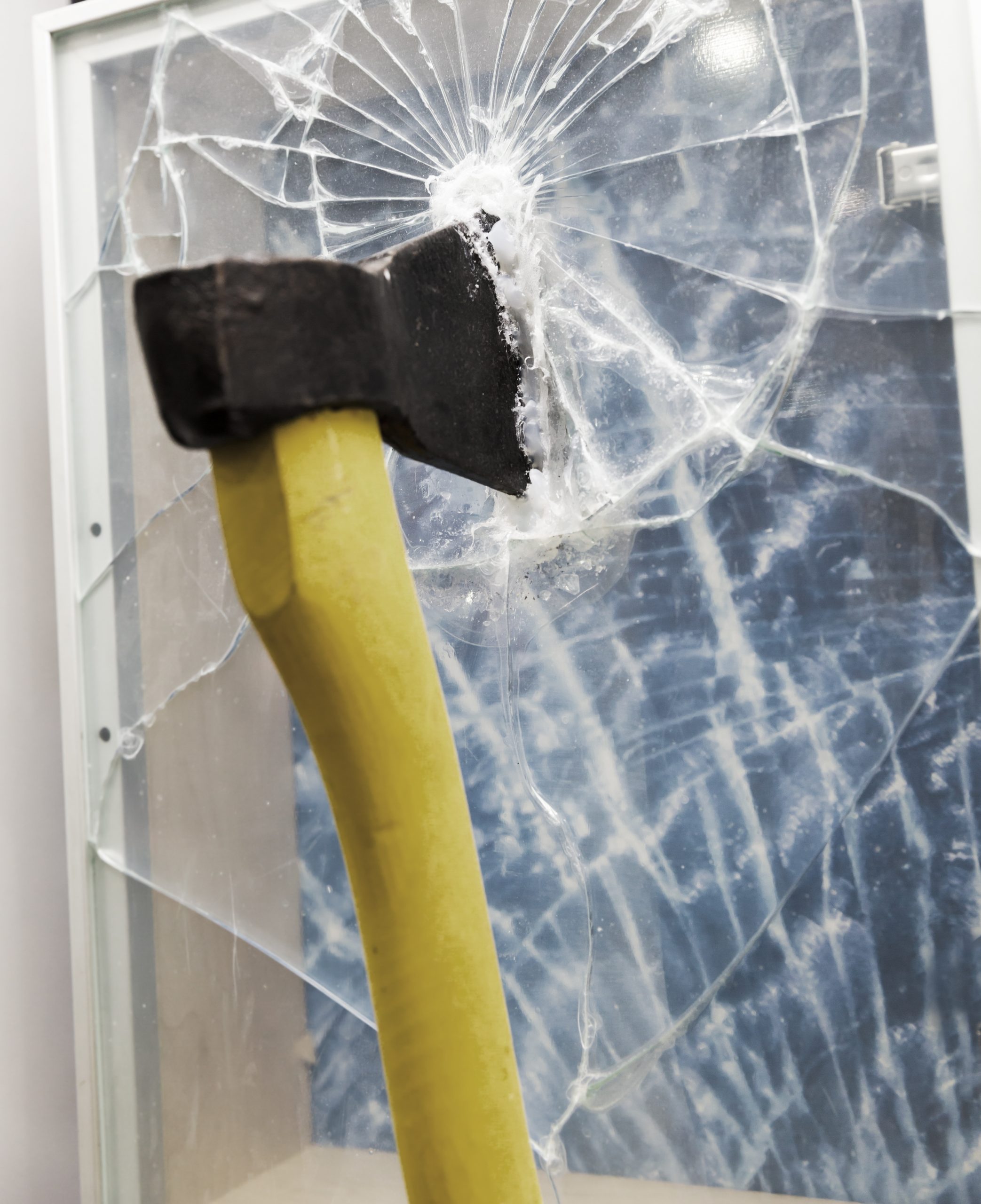
How Normal Glass Breaks
Standard annealed glass is brittle and designed to break once its stress limit is exceeded.
When hit with sufficient force, the glass fractures rapidly and falls apart into sharp pieces.
Because the glass separates instantly, a single strong impact can create a hole large enough for access.
This makes standard glass vulnerable in environments where security or vandal resistance is required.
Why Anti-Vandal Glass Is Stronger
Anti-vandal glass achieves its strength through laminated construction. Multiple sheets of glass are bonded
together with strong polymer interlayers designed to absorb impact energy.
When the glass is struck, the outer layer may crack but the interlayer keeps the fragments bonded together.
This prevents the glazing from collapsing and significantly delays the creation of an opening.
- Greater resistance to repeated impacts
- Prevents glass from shattering into loose fragments
- Slows down attempts to break through glazing
- Provides increased protection for buildings and assets
How Security Glass Strength Is Measured
The strength of anti-vandal glass is typically measured using recognised testing standards such as EN 356.
This standard evaluates how resistant glass is to manual attack and classifies it according to impact resistance.
Lower classifications (P1A–P5A) involve repeated steel ball drop tests, while higher classifications (P6B–P8B)
require the glass to withstand repeated strikes from an axe.
- P1A – P5A: tested with heavy steel ball drops
- P6B – P8B: tested with repeated axe strikes
These tests simulate real-world attack scenarios and ensure the glazing can withstand significant impact
before an opening can be formed.
Where Stronger Glass Is Needed
Anti-vandal glass is commonly specified where glazing may be exposed to deliberate impact, vandalism or attempted intrusion.
It is widely used as part of a building’s first line of defence.
- Retail storefronts protecting valuable goods
- Commercial buildings and offices
- Public infrastructure and transport hubs
- Prisons and police custody suites
- Mental health facilities
- High security environments
Secure Glass can be:

Enhance Security

Impact Resistant

Bullet Resistant

Blast Resistant

Fire Resistant

Acoustic
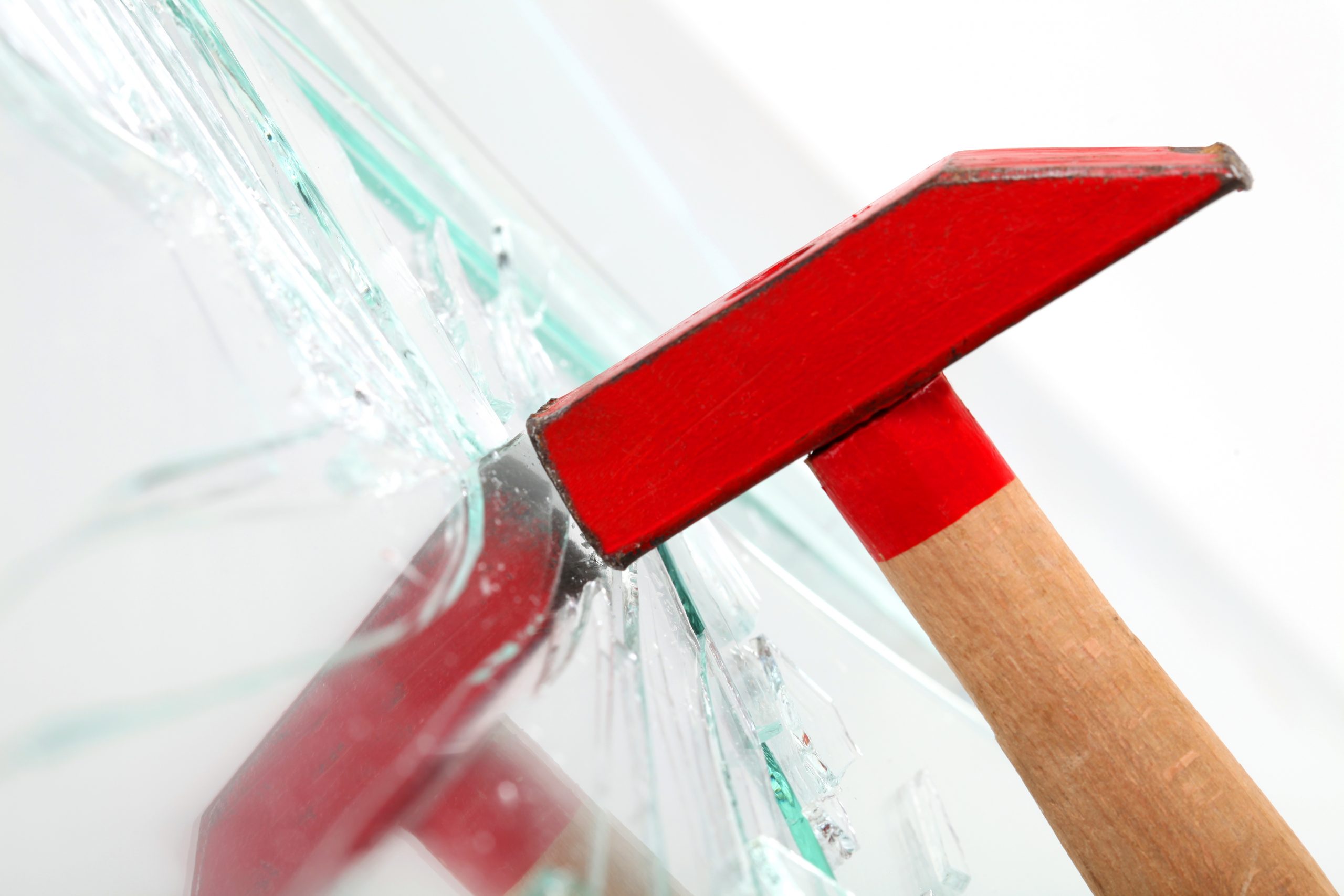
Why Choose Tecdur?
With over 15 years of industry experience and extensive in-house manufacturing capability,
Tecdur delivers high-performance laminated security glass engineered to protect people and property.
Our technical team helps architects, contractors and specifiers select the correct glazing solution
for each project.