



What Thickness Is Anti-Vandal Glass?
Learn how anti-vandal glass thickness varies depending on performance level, testing standard and project requirements.
Anti-vandal glass thickness can vary significantly depending on the level of protection required. There is no single standard thickness, because anti-vandal glass is engineered as a performance product rather than a one-size-fits-all glazing option.
In general, the thicker the laminated construction, the greater the resistance to impact and manual attack. However, thickness is only one part of the equation. The number of glass layers, the type of interlayer and the certification standard all influence how the glazing performs.
As experienced security glass manufacturers in the UK, Tecdur designs and manufactures Tecdur Secure Glass to meet recognised standards including EN 356 and LPS 1270. Each specification is tailored to the threat level, application and wider glazing system.
Why Thickness Matters
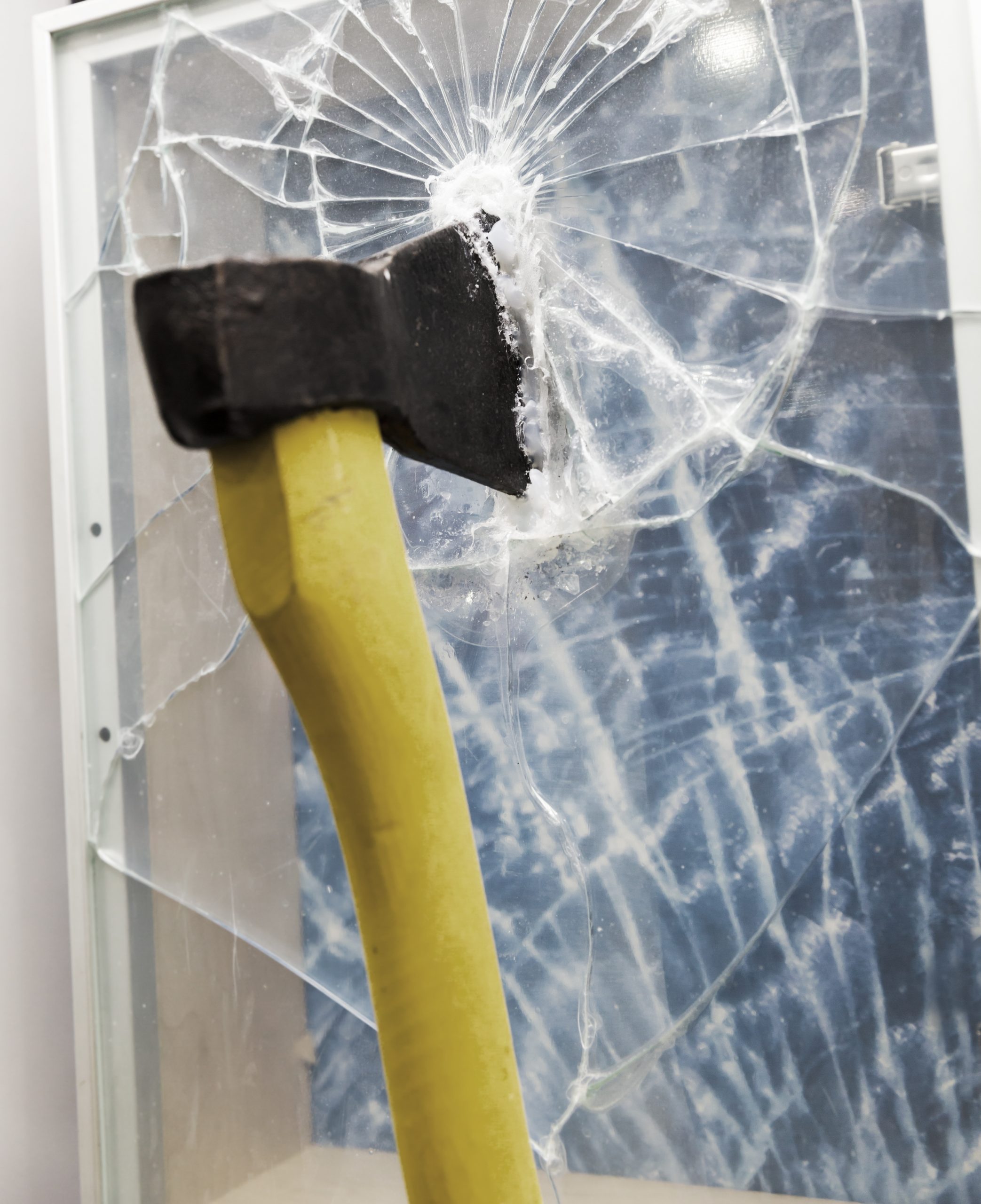
Anti-vandal glass is typically manufactured using a laminated build-up. Multiple sheets of glass are bonded together with specialist interlayers that absorb impact energy and hold fragments together when the glazing is damaged.
As thickness increases, the glazing generally becomes more resistant to repeated impacts and more difficult to penetrate. This is why higher-rated security glass products are usually thicker than lower-rated alternatives.
Thickness Depends on the Security Rating
Anti-vandal glass is often specified according to EN 356, the European standard for manual attack resistance. Lower classifications such as P1A to P5A are commonly used where protection against vandalism and opportunistic attack is required. Higher classifications such as P6B to P8B are designed for more severe manual attack resistance.
As a rule, higher classifications usually require thicker and heavier laminated constructions. However, exact thickness will vary depending on the make-up of the glass, the interlayers used and the desired performance outcome.
What Influences Anti-Vandal Glass Thickness?
Several factors determine the final thickness of anti-vandal glass:
- Required EN 356 or LPS 1270 classification
- Pane size and overall glass dimensions
- Whether additional performance is needed, such as acoustic, fire or ballistic resistance
- Framing system capability and installation method
- Project-specific risk and insurance requirements
This is why specification should always focus on tested performance rather than thickness alone. A thicker piece of glass is not automatically the better solution if the overall build-up is not certified for the intended application.
Can Anti-Vandal Glass Be Too Thick?
In some cases, over-specifying glass thickness can create unnecessary challenges. Heavier glazing can affect frame design, handling, transport and installation costs. It may also impact the practicality of doors, screens or larger glazed elevations.
The most effective approach is to match the glazing specification to the real threat level. This ensures the correct balance of protection, performance and cost efficiency.
Why Tested Performance Matters More Than a Single Thickness
When asking what thickness anti-vandal glass should be, the more important question is often: what level of resistance does the project need? Certified performance to EN 356 or LPS 1270 provides far more useful guidance than selecting a thickness in isolation.
A tested anti-vandal glass system gives confidence that the glazing will perform consistently under real-world attack conditions, rather than simply appearing robust on paper.
Secure Glass can be:

Enhance Security

Impact Resistant

Bullet Resistant

Blast Resistant

Fire Resistant

Acoustic
Why Choose Tecdur?
With over 15 years of industry experience and extensive in-house manufacturing capability, Tecdur provides high-performance laminated security glass designed to protect people and property. Our team supports architects, contractors and specifiers in selecting the correct anti-vandal glass make-up for each application.
Whether you need protection against vandalism, forced entry or more severe manual attack, Tecdur can advise on the right certified solution for your project.