


Compare impact resistant glass with standard glass and learn why laminated security glazing provides stronger protection against impact, damage and forced entry.
Impact resistant glass is much stronger than standard glass when it comes to resisting damage, repeated impact and attempted breakage.
Standard glass is designed for basic glazing performance, while impact resistant glass is engineered to remain in place and continue acting as a barrier after being struck.
The main difference is how the glass behaves under force. Standard glass can crack, shatter or fall away quickly, creating an opening.
Impact resistant glass is usually laminated, which means broken fragments are held together by specialist interlayers to help delay penetration.
As experienced security glass manufacturers in the UK, Tecdur designs and manufactures Tecdur Secure Glass —
a high-performance laminated glass range engineered to withstand severe levels of manual attack and certified to recognised standards including EN 356 and LPS 1270.
How Strong Is Standard Glass?
Standard glass can provide visibility, weather protection and a clean architectural finish, but it is not designed for security performance.
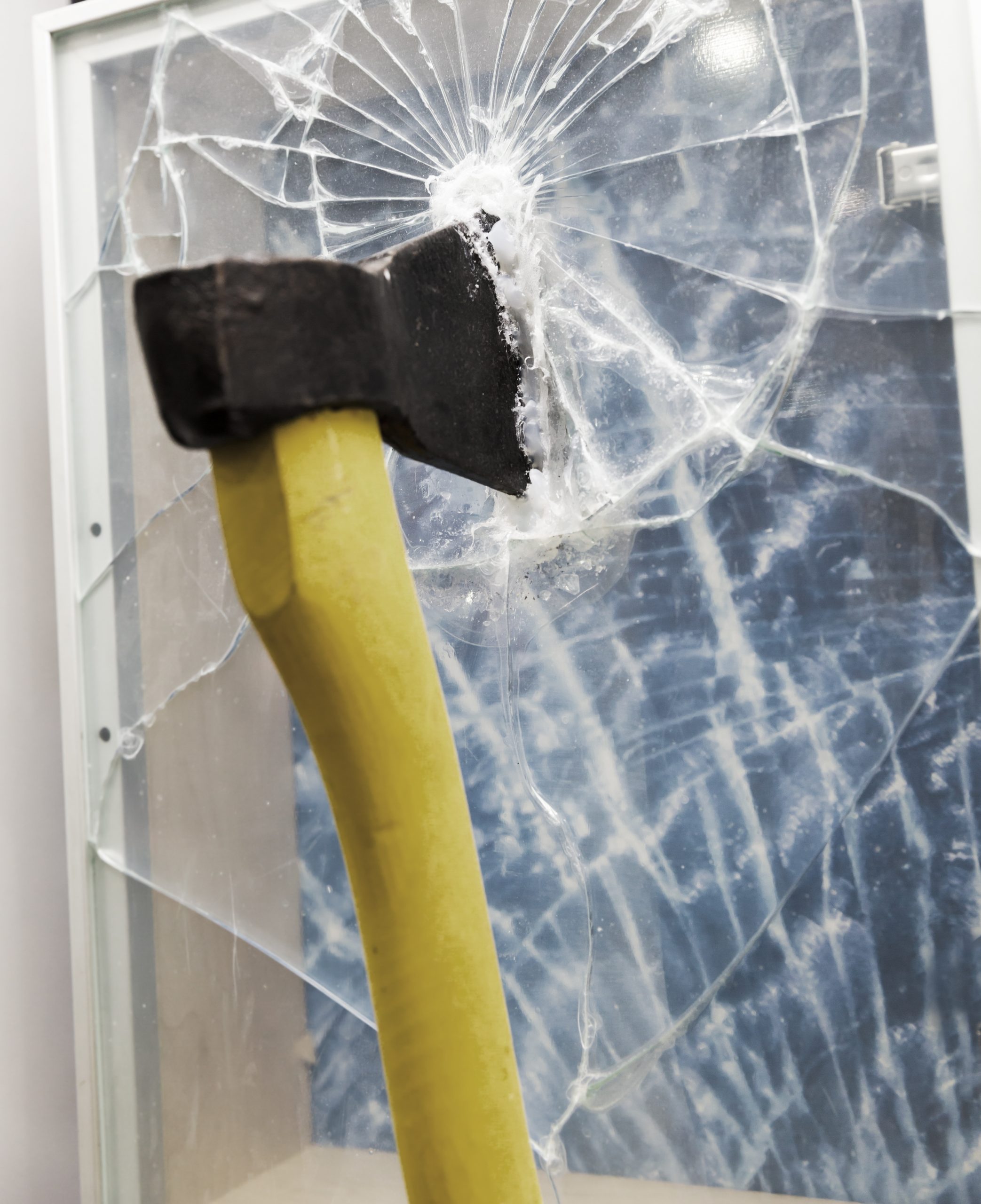
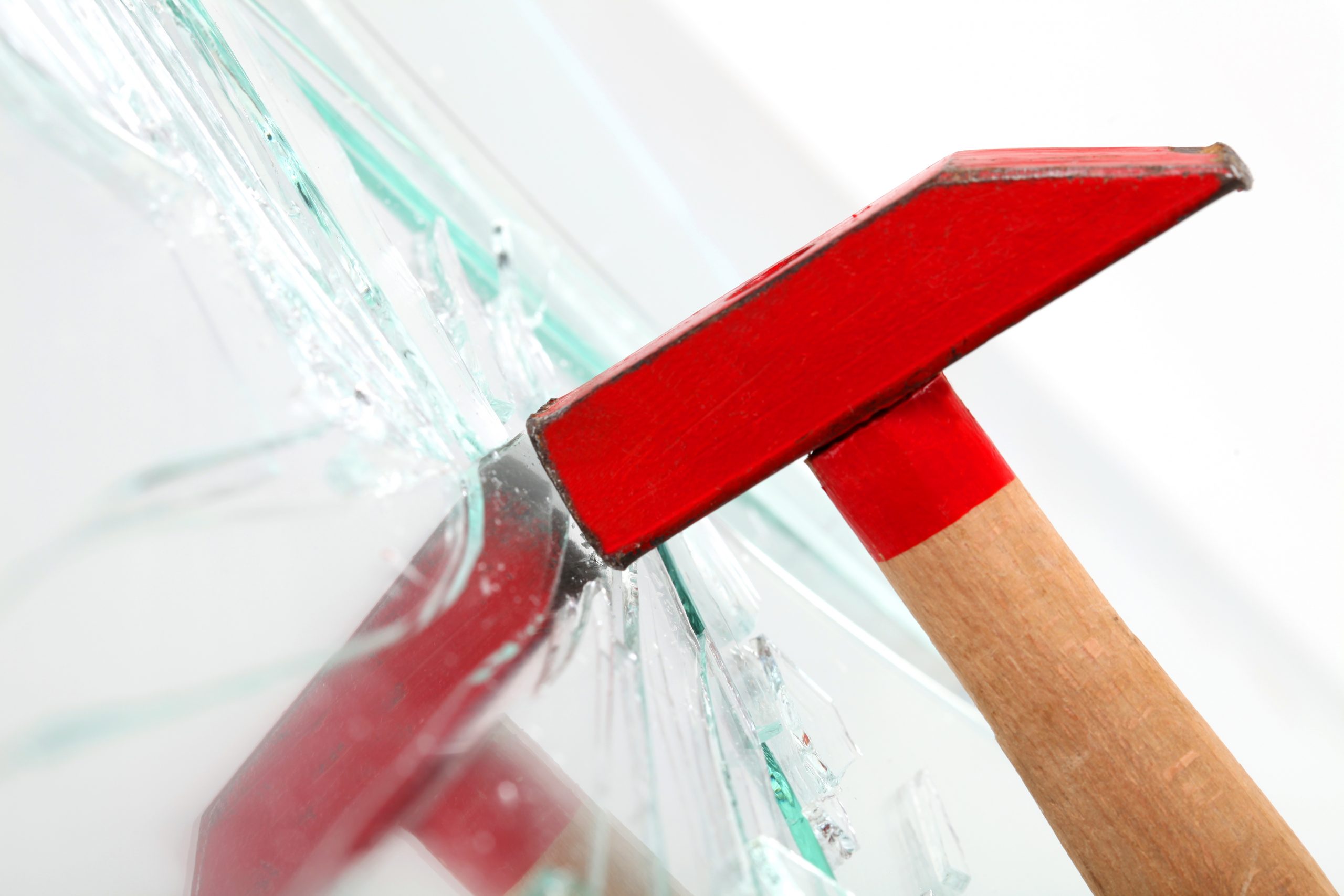
When struck with a heavy object, standard glass can break quickly and may leave an exposed opening.
This makes standard glass unsuitable for areas where there is a risk of vandalism, accidental impact, forced entry or attack.
In higher-risk buildings, standard glazing can become a weak point in the overall security strategy.
How Strong Is Impact Resistant Glass?
Impact resistant glass is designed to perform differently.
It may crack when hit, but the laminated construction helps hold the glass together and reduces the risk of immediate penetration.
This makes impact resistant glass much stronger in practical security terms because it continues to provide a physical barrier after damage occurs.
The stronger the specification, the longer the glass can resist repeated impact or manual attack.
- Standard glass can break and fall away quickly
- Impact resistant glass helps remain intact after impact
- Laminated interlayers hold damaged glass together
- Certified impact resistant glass offers tested performance
- Higher security ratings can delay forced entry attempts
Why Laminated Construction Makes a Difference
The strength of impact resistant glass comes from its laminated structure.
Multiple layers of glass are bonded together with specialist interlayers that absorb energy and retain broken fragments after impact.
Instead of the glass failing as a single fragile pane, the laminated build-up works as a composite structure.
This helps spread impact energy across the panel and makes it harder to create an opening through the glass.
Impact Resistant Glass and EN 356 Ratings
For security applications, the strength of impact resistant glass should be measured using recognised standards.
One of the most important standards is EN 356, which classifies glass from P1A to P8B.
EN 356 ratings from P1A to P5A are tested using steel ball drops and are typically used for impact resistance, vandal resistance and anti-bandit applications.
Higher ratings from P6B to P8B are tested using repeated axe strikes and are used where sustained manual attack resistance is required.
- P1A to P5A – impact resistance tested by steel ball drop
- P6B to P8B – manual attack resistance tested by axe strikes
- LPS 1270 – enhanced manual attack testing using defined tool sets
Impact Resistant Glass vs Standard Glass in Real-World Use
In real-world situations, standard glass may fail after a single strong impact.
Impact resistant glass is designed to delay failure and make it much more difficult for an intruder or impact event to create an open access point.
This delay can be valuable in retail, commercial and institutional environments because it gives alarms, staff, security teams or emergency responders more time to react.
Where Impact Resistant Glass Is Stronger Choice
Impact resistant glass is usually specified where standard glass does not provide enough protection.
Common applications include:
- Retail shopfronts and display windows
- Commercial entrances and office glazing
- Security doors and glazed screens
- Reception counters and internal partitions
- Schools, healthcare and public buildings
- Prisons and police custody suites
- Mental health establishments
- High security facilities
Choosing Glass Based on Risk
The right glass specification depends on the level of risk.
For lower-risk areas, impact resistant laminated glass may provide suitable protection against damage and opportunistic impact.
For higher-risk locations, certified EN 356 or LPS 1270 security glass may be required.
It is important to consider the full glazing system, not the glass alone.
Frames, fixings and installation methods must all support the selected level of resistance.
Secure Glass can be:

Enhanced Security

Impact Resistant

Bullet Resistant

Blast Resistant

Fire Resistant

Acoustic
Why Choose Tecdur?
With over 15 years of industry experience and extensive in-house manufacturing capability, Tecdur provides certified, high-performance security glazing designed to protect people and property.
Our team works closely with architects, contractors and specifiers to ensure the right impact resistant glass is selected for each project.
Whether your project requires impact resistant glass, EN 356 rated security glazing, LPS 1270 performance or a wider protective glass system, Tecdur can help specify the right tested solution.