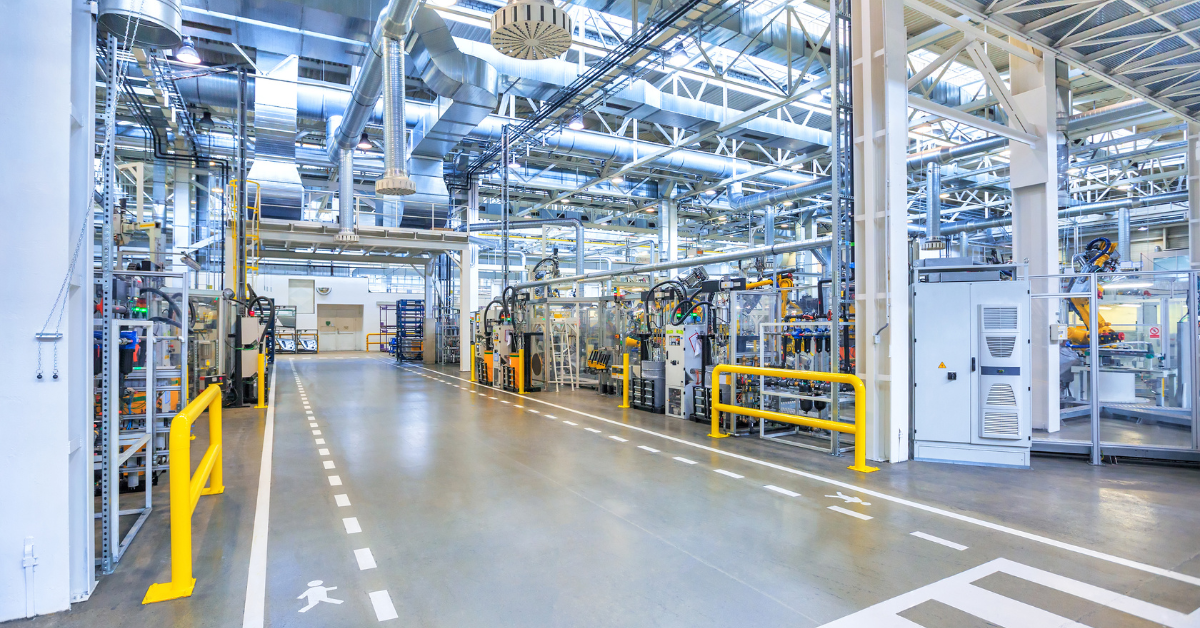



In the high-stakes environment of precision machining and metalworking, visibility is everything. Operators must constantly monitor fine tolerances, fluid flow, and chip formation inside a computer numerical control (CNC) enclosure to catch errors before they turn into scrap metal or broken tools. Yet, in machine shops across the UK, Ireland, and global industrial markets, workers face a frustratingly common problem: cloudy, yellowed, and heavily obscured machine windows. This visual breakdown, known as high-haze degradation, is far more than a cosmetic nuisance. It is a critical operational safety hazard and a sign of material failure. To restore permanent vision and guarantee physical protection on the shop floor, specifying multi-layered cnc machine safety glass has become the definitive choice for modern industrial facilities.
Understanding the root cause of this hazing effect requires looking at how traditional enclosure materials react to the harsh chemical realities of the metalworking environment.
The Culprit Behind the Cloud: Why Enclosures Turn Milky
Historically, industrial equipment builders chose solid, monolithic polycarbonate sheets for machine windows due to the material’s excellent initial impact resistance and low cost. However, a raw polycarbonate sheet is highly vulnerable to the daily environment of active machining.
In any intensive metalworking application, the inside of an enclosure is a continuous storm of hot, razor-sharp metallic swarf, grinding dust, and highly pressurized cutting fluids. This combination causes rapid visual and structural damage through two primary mechanisms:
Mechanical Scratching
Sharp, high-velocity metal chips constantly bombard the enclosure window. Because polycarbonate is relatively soft, its surface scratches easily. Over months of operation, thousands of micro-scratches accumulate, scattering incoming light and creating a permanently frosted appearance.
Chemical Crazing
Modern metalworking coolants, water-soluble oils, and synthetic cutting fluids are complex chemical formulations. When these aggressive fluids pool on an unshielded polycarbonate window, they attack the polymer’s molecular bonds. This induces environmental stress cracking, which shows up as a dense, milky internal web of microscopic fractures.
The Hidden Danger of High Haze
When a machine window succumbs to high haze, it creates a dangerous ripple effect throughout the workshop.
First, because operators can no longer see through the cloudylaminated viewing screen, they are often driven to risky behaviors—such as opening enclosure doors prematurely or bypassing safety interlocks—just to check on a part’s surface finish. This exposes workers directly to rotating spindles and flying debris.
Second, and most critically, high haze is the visual warning sign of embrittlement. The exact same chemical process that causes the window to cloud over is also destroying its impact resistance. Within 18 to 24 months of exposure to cutting fluids, an unshielded polycarbonate panel loses its flexibility and can shatter like brittle acrylic when hit by a flying workpiece, completely failing to meet safety containment standards like BS EN ISO 16090.
How Factory-Laminated Safety Glass Eliminates the Problem
To permanently resolve the issue of high-haze degradation without sacrificing high-energy impact defense, engineering teams are transitioning away from plastic sheets and toward advanced cnc machine safety glass.
Tecdur’s specialized composite glazing features a thick, energy-absorbing polycarbonate core that is completely sealed and laminated between outer layers of ultra-hard, chemically toughened glass.
[Milling Zone: Fluids & Swarf] ---> [Chemicallly Toughened Glass Layer]
                                         (Zero Haze / Scratch Resistant)
                                                   |
                                     [High-Strength Bonding Interlayer]
                                                   |
                                      [High-Impact Polycarbonate Core]
                                         (Protected Security Barrier)
This multi-layered approach isolates the structural plastic inside an impervious glass envelope, addressing the underlying causes of hazing directly:
-
Impervious to Chemicals: Chemically toughened glass is completely inert to aggressive industrial cutting fluids, coolants, and solvents. Because the internal polycarbonate core is protected from fluid contact, it never experiences chemical aging, maintaining 100% of its structural impact strength indefinitely.
-
Scratch-Resistant Surface: Toughened glass has a high surface hardness compared to plastics. High-velocity swarf bounces off the inner pane without leaving micro-scratches, ensuring the window remains crystal clear through millions of cutting cycles.
-
Uncompromised Security: By leveraging Tecdur’s deep expertise in ballistic, blast, and physical security glazing, our cnc machine safety glass lines provide long-lasting, heavy-duty impact containment that reliably protects operators from catastrophic structural failures.
Value Engineering the Modern Machine Shop
For industrial procurement managers and health and safety directors, accepting cloudy windows as an unavoidable cost of doing business is an expensive mistake. The recurring material costs of swapping out degraded plastic viewports every year—combined with the associated machine downtime and labor—quickly outpaces the cost of a long-term solution.
Upgrading to a factory-laminated machine safety window is a highly effective piece of value engineering. By completely eliminating high-haze degradation, your facility can secure permanent optical clarity, ensure continuous compliance with international safety standards, and provide your production team with an uncompromised level of physical defense.
To review technical data on scratch resistance, download impact certifications, or request a custom quotation for replacement enclosure windows, contact the Tecdur engineering team today.