



Introduction
In the ever-evolving landscape of real estate, the demand for versatile, adaptable spaces is growing. Whether in residential, commercial, or mixed-use properties, flexibility is a key factor that enhances functionality and appeal. One innovative solution making a significant impact is privacy glass. This dynamic material offers a blend of privacy, aesthetic appeal, and technological sophistication, enabling the creation of flexible spaces that meet the diverse needs of modern occupants. For a quick overview of outcomes, see the headline smart glass benefits, and for wiring/control layouts refer to switchable glass privacy solutions.

What is Privacy Glass?
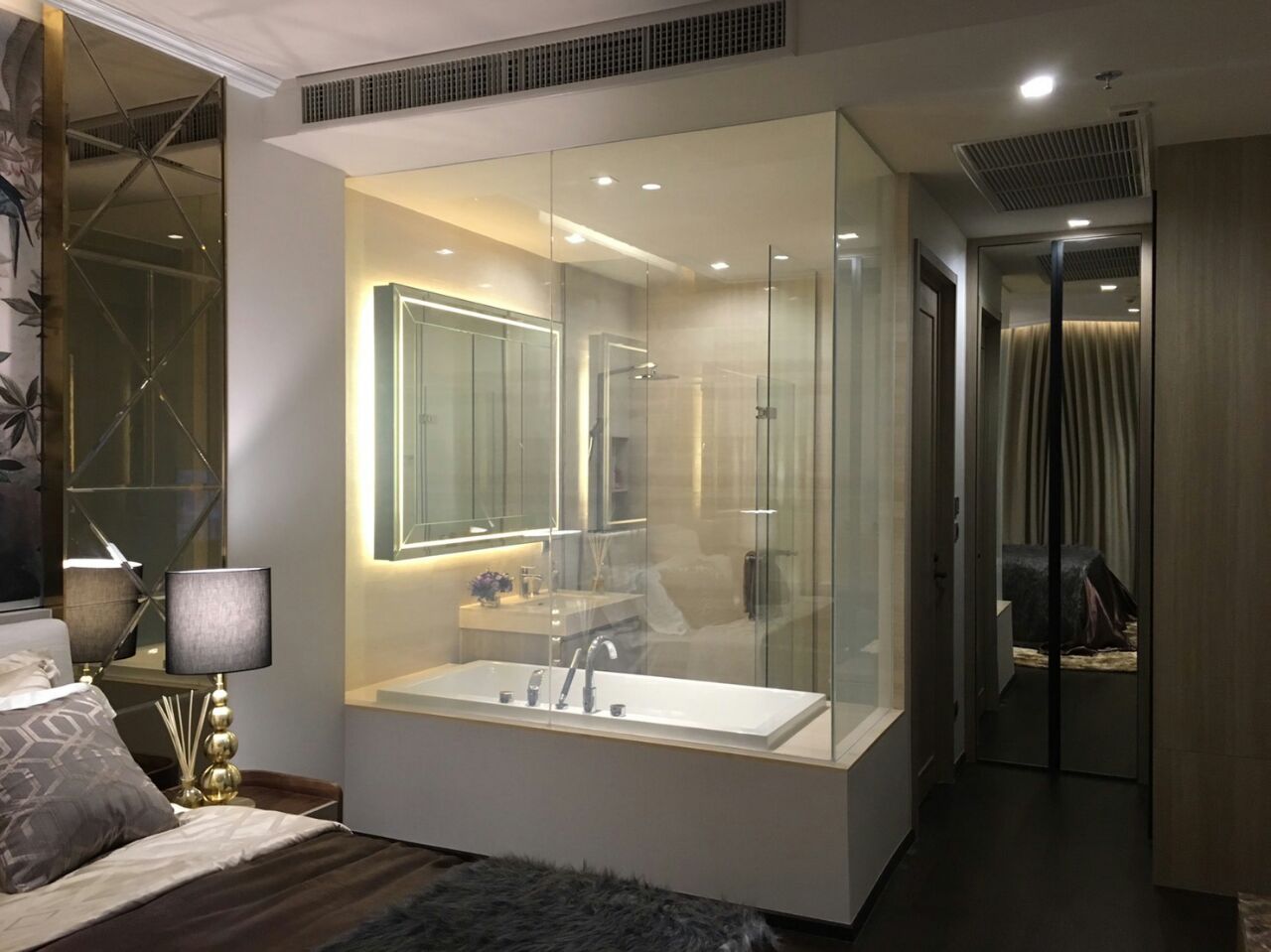
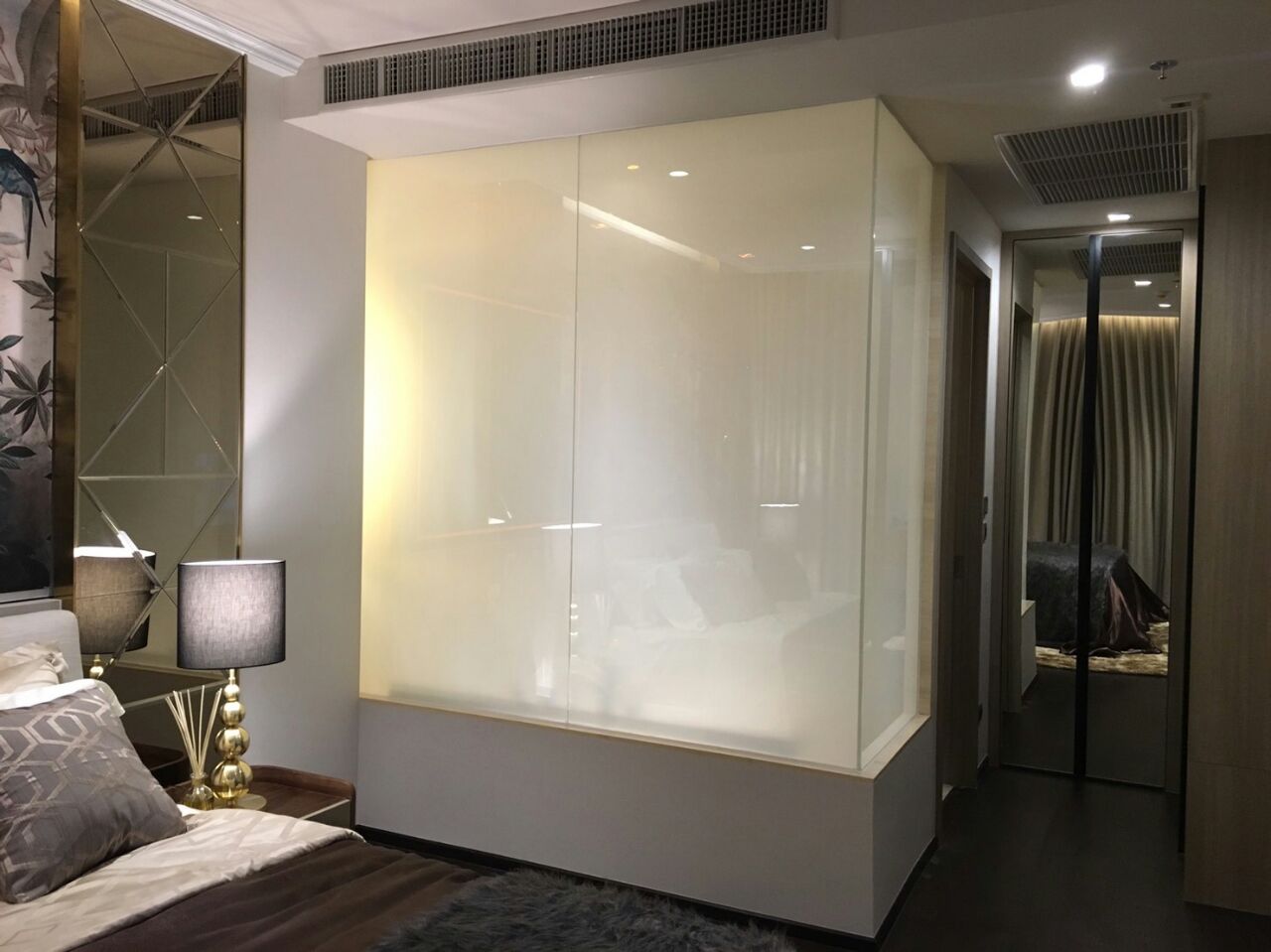
Privacy glass, also known as switchable glass, uses advanced technologies like liquid crystal or electrochromic materials to change its transparency. This transition between clear and opaque states can be controlled through electrical current, mobile apps, or integrated building management systems. If you’re choosing a dynamic-tint approach for façades or partitions, compare behaviours in electrochromic vs thermochromic glass and balance procurement with the caveats in smart glass disadvantages. This ability to switch on demand makes privacy glass a versatile solution for various real estate applications.
The Advantages of Privacy Glass in Creating Flexible Spaces
1. Enhanced Privacy and Security
Privacy glass provides instant privacy when needed. In residential properties, it allows homeowners to maintain their privacy without sacrificing natural light—see room-by-room ideas in residential privacy glass. In commercial settings, sensitive areas such as conference rooms and executive offices can benefit from on-demand privacy; typical policies are outlined in switchable privacy glass for conference rooms. This added layer of security is invaluable in creating spaces that can be adapted for different levels of privacy and confidentiality.
2. Optimising Natural Light
Access to natural light is crucial for well-being and productivity. Privacy glass maximises natural light penetration while providing the option for privacy—one of the core smart glass benefits. This is particularly beneficial in urban environments where buildings are close together.
3. Flexible Space Utilisation
Privacy glass enables the creation of multi-functional spaces that can be adapted based on the occupant’s needs. For specification and control placement in adaptable rooms, see switchable glass privacy solutions.
4. Modern Aesthetic Appeal
From a design perspective, privacy glass offers a sleek, modern look that enhances the aesthetic appeal of any property and removes the clutter of blinds or curtains.
5. Energy Efficiency
Privacy glass can contribute to a property’s energy efficiency by controlling heat gain and loss. When selecting technologies for solar control, review trade-offs in electrochromic vs thermochromic glass.
Applications of Privacy Glass in Real Estate
1. Residential Properties
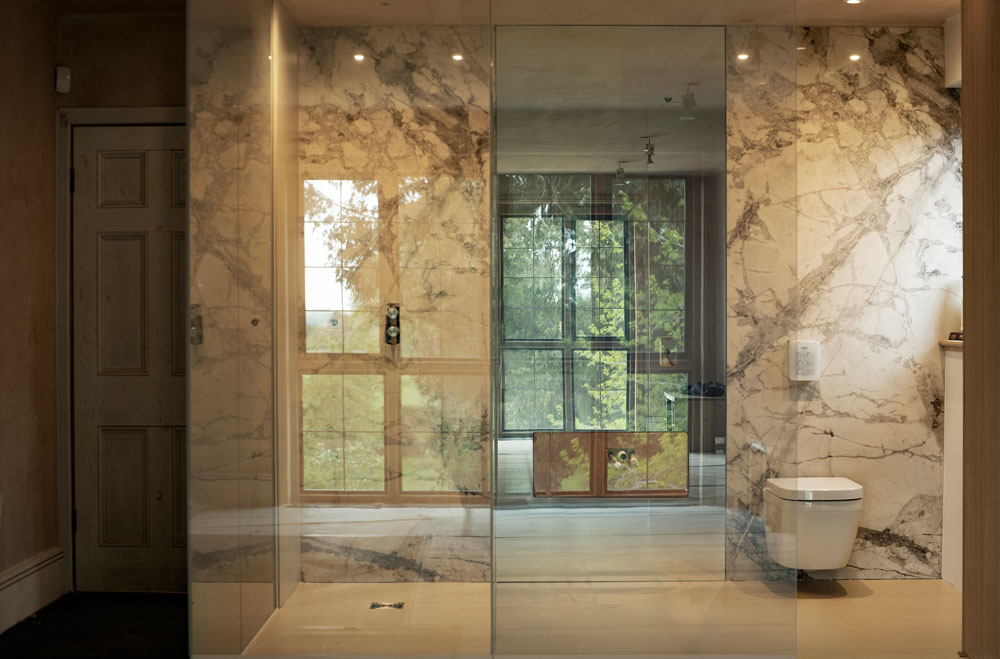
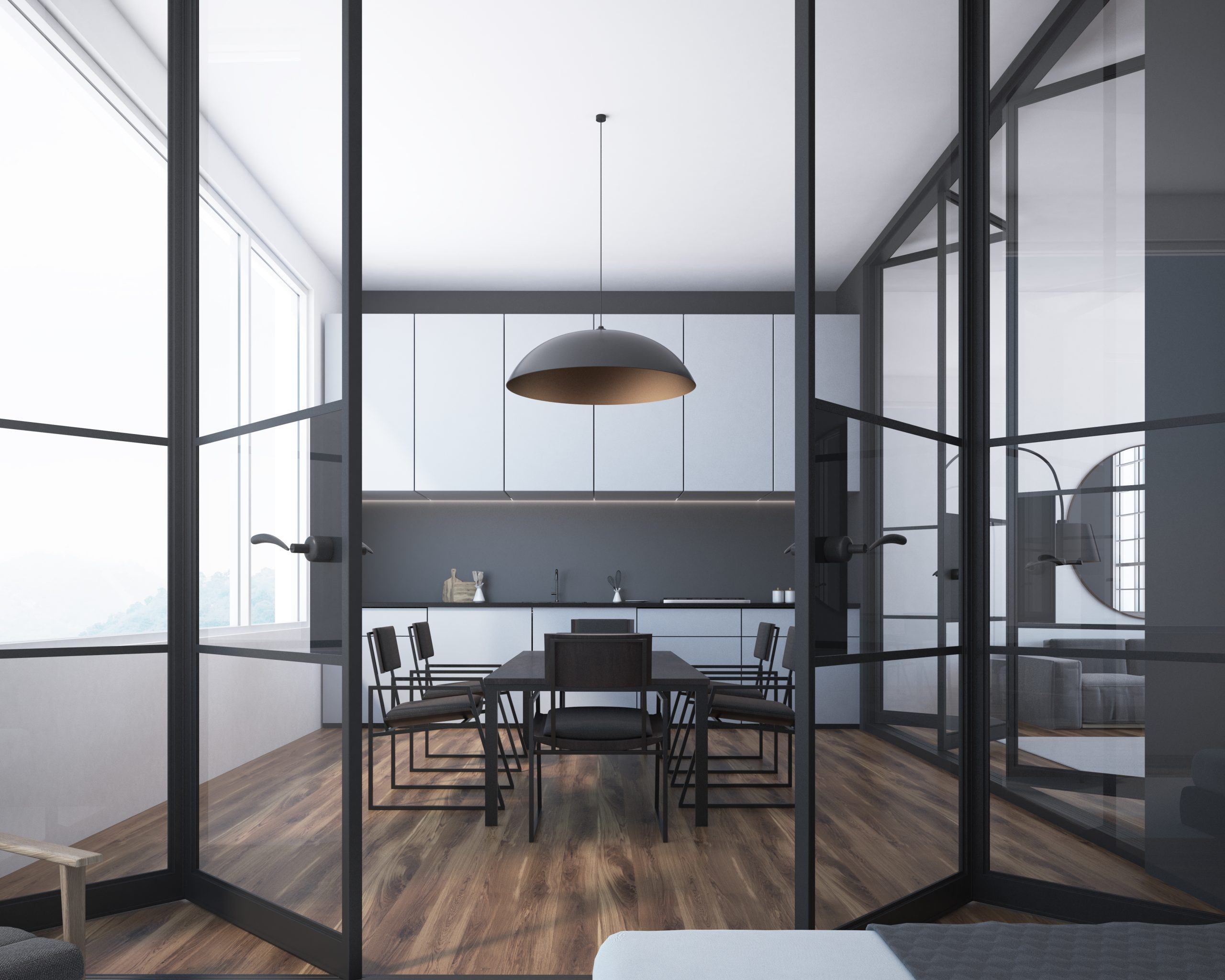
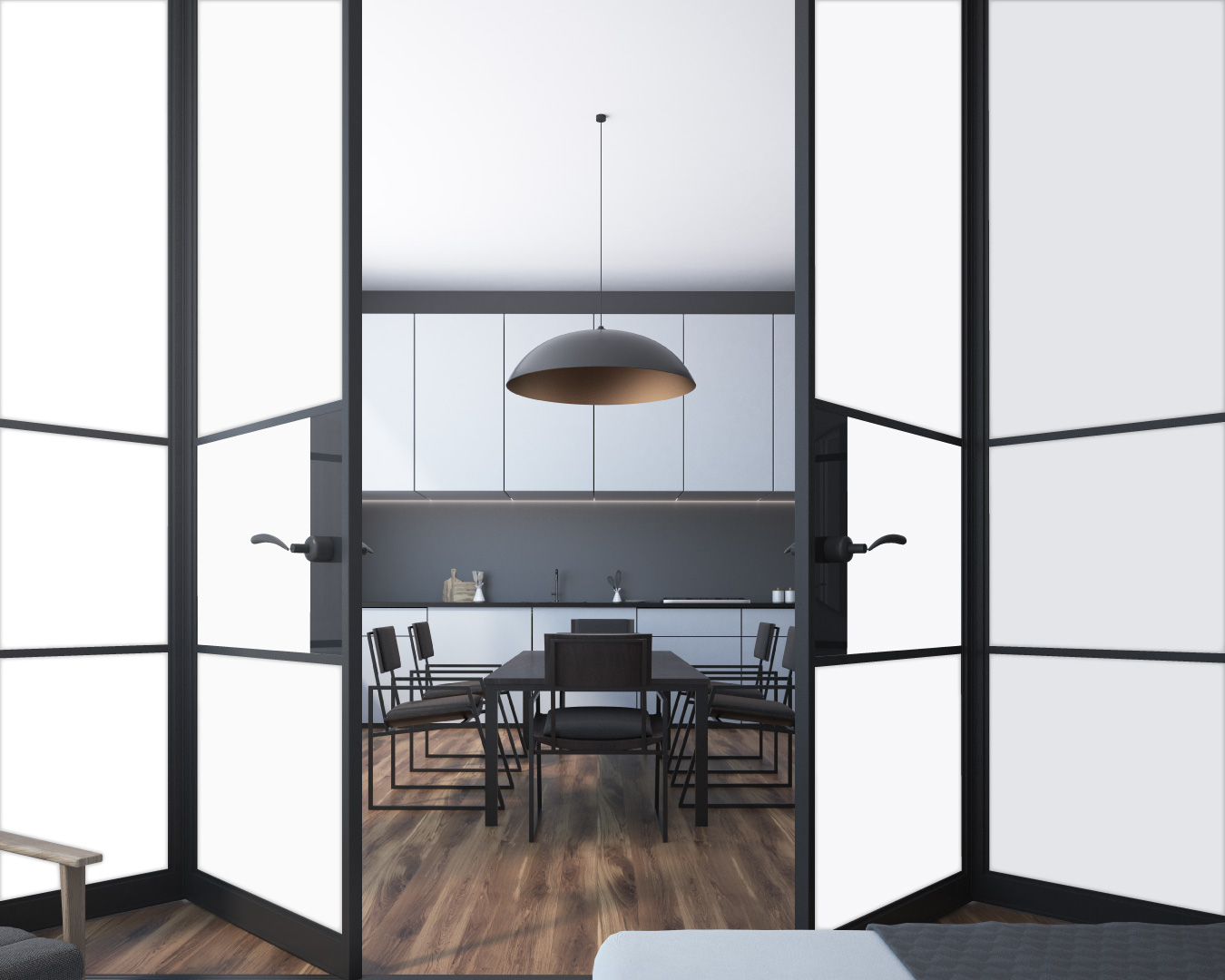
In homes, privacy glass can be used to create adaptable living spaces. Bedrooms and bathrooms can benefit from on-demand privacy, while open-plan living areas can be partitioned when needed. For layouts that preserve daylight with discretion, explore residential privacy glass. Home offices, a growing trend in residential design, can also be enhanced with switchable partitions.
2. Commercial Buildings
In commercial real estate, privacy glass is ideal for offices, conference rooms, and client-facing areas. It allows businesses to maintain an open, collaborative environment while providing the flexibility to create private spaces as needed; meeting-suite policies are mapped in switchable privacy glass for conference rooms.
3. Hospitality and Healthcare
Hotels can use privacy glass to offer guests enhanced privacy and comfort. In healthcare facilities, privacy glass can provide patients with privacy in consultation rooms and wards while allowing staff to monitor them as needed.
4. Mixed-Use Developments
Mixed-use developments benefit from the flexibility of privacy glass, allowing different areas to be reconfigured throughout the day. For infrastructure and control choices across varied uses, see switchable glass privacy solutions.
Tips for Integrating Privacy Glass in Real Estate Projects
1. Strategic Planning
Identify key areas where privacy glass will provide the most benefit. Consider high-traffic areas, private spaces, and areas where natural light is essential.
2. Smart Integration
Integrate privacy glass with smart building systems for enhanced control and convenience. For meeting rooms, align control logic with guidance from conference room deployments.
3. Quality and Maintenance
Invest in high-quality privacy glass solutions to ensure durability and performance, and plan around the practical considerations in smart glass disadvantages. Regular cleaning and checking electrical connections will keep the glass functioning optimally.
4. Tenant Education
Educate tenants on the benefits and uses of privacy glass. Provide clear instructions on how to operate the system and highlight its advantages in terms of privacy, energy efficiency, and modern design.
Conclusion
Privacy glass offers a versatile solution for creating flexible, adaptable spaces in real estate. Its ability to provide on-demand privacy, optimise natural light, enhance aesthetic appeal, and contribute to energy efficiency makes it a valuable addition to any property. To choose the right technology stack, start with smart glass benefits, weigh smart glass disadvantages, and compare dynamic-tint options in electrochromic vs thermochromic glass. For specification and wiring, use switchable glass privacy solutions as a checklist.
Who We Are
Tecdur is the leading manufacturer of smart glass for the UK and Ireland. Tecdur Switchable Glass provides the best clarity, lowest power consumption and lowest haze currently available. We can offer a wide range of specifications to meet project requirements with our switchable glass, cost is dependent on specification, application and design. Please get in contact with us to discuss further.
Please visit our portfolio for a look at completed projects. Keep up to date on our LinkedIn Showcase page


Frequently asked Questions

Our privacy glass works by utilising advanced PDLC (Polymer Dispersed Liquid Crystal) film. When an electrical current is applied, the liquid crystal molecules align, allowing light to pass through, making the glass transparent. When the current is switched off, the molecules mis-align, causing the glass to turn opaque or translucent, providing privacy.
Yes, privacy glass can be retrofitted into existing buildings. It’s important to consult with a professional installer to assess feasibility and ensure proper integration with the current structure and systems.
Privacy glass controls the amount of light and heat entering a building, reducing the need for artificial lighting and climate control. This leads to lower energy consumption and costs, contributing to overall energy efficiency.
Yes, privacy glass can be integrated with smart building systems, allowing for control via mobile apps, voice commands, or automation based on schedules and sensor inputs. This enhances convenience and further improves energy efficiency.
Regular maintenance for privacy glass includes cleaning the glass and checking the electrical connections and control systems. Following the manufacturer’s maintenance guidelines will help ensure optimal performance and longevity.