



Introduction
Privacy is a fundamental aspect of comfortable living, and with advancements in technology, homeowners now have innovative solutions to enhance privacy without compromising on natural light and aesthetics. Smart glass, also known as switchable glass, is revolutionising residential spaces by offering dynamic control over transparency. This transformative technology not only enhances privacy but also contributes to energy efficiency and modernises home interiors. For a quick overview of typical options and controls, see our guide to switchable glass privacy solutions.

Understanding Smart Glass
Smart glass employs various technologies such as electrochromic, liquid crystal, or suspended particle devices to alter its transparency in response to electrical currents, heat, or light. This ability allows homeowners to adjust the opacity of windows, doors, or partitions from clear to opaque and vice versa, offering instant privacy on demand. If you’re comparing dynamic glazing types for the home, this overview of electrochromic vs thermochromic glass is a helpful starting point, and the broader smart glass benefits and typical smart glass disadvantages are worth reviewing before you specify.
Applications of Smart Glass for Residential Privacy
1. Bathroom Windows and Shower Enclosures
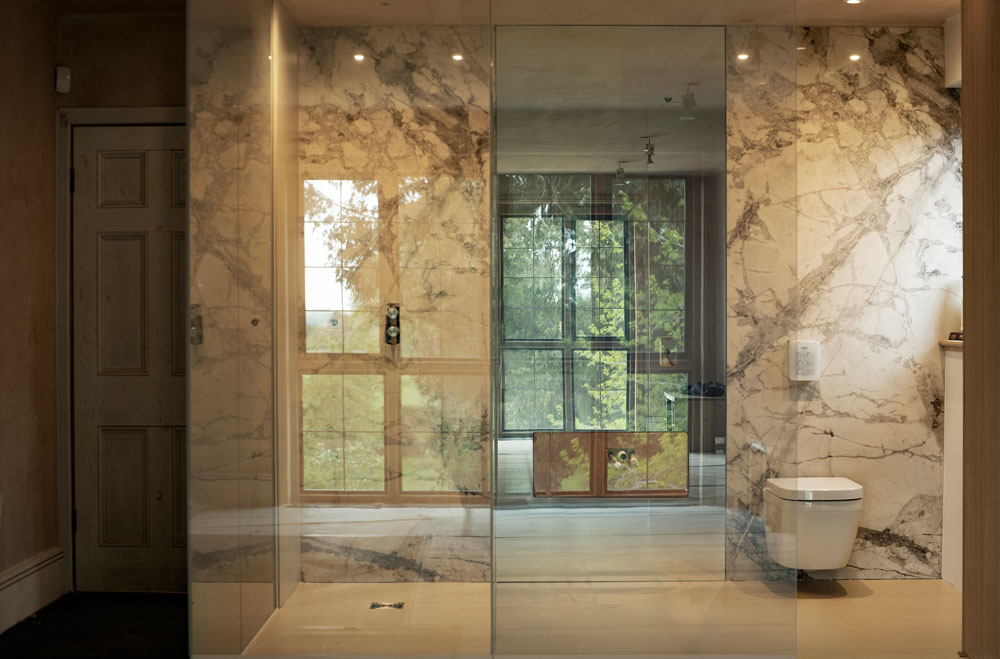
Privacy in bathrooms is essential, and smart glass provides an elegant solution. By switching from transparent to opaque at the touch of a button, homeowners can enjoy both natural light and privacy without the need for curtains or blinds. This enhances the aesthetic appeal of the bathroom while maintaining functionality and comfort. For broader inspiration around whole-home use cases, browse our residential privacy glass ideas.
2. Bedroom Partitions and Doors
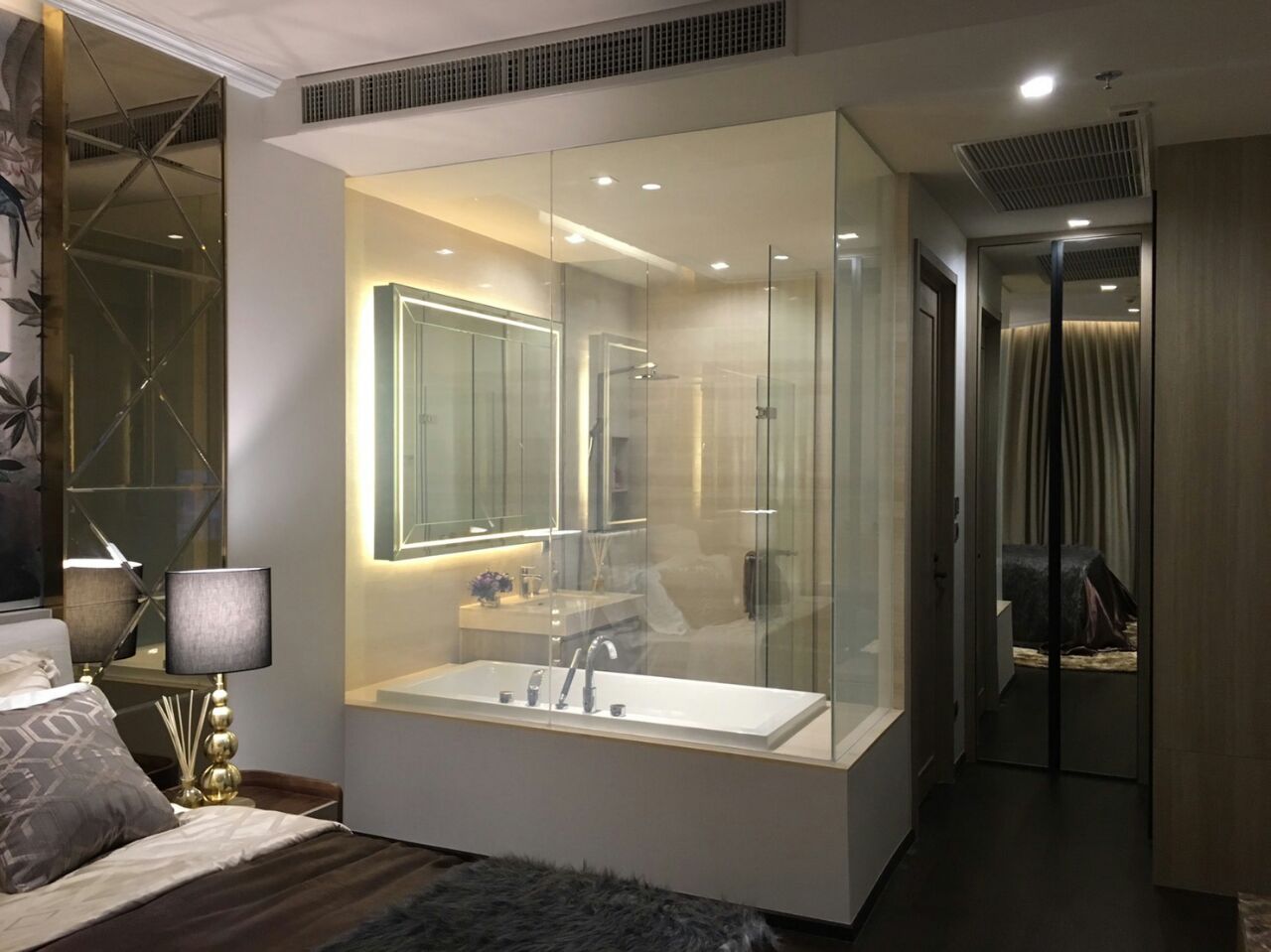
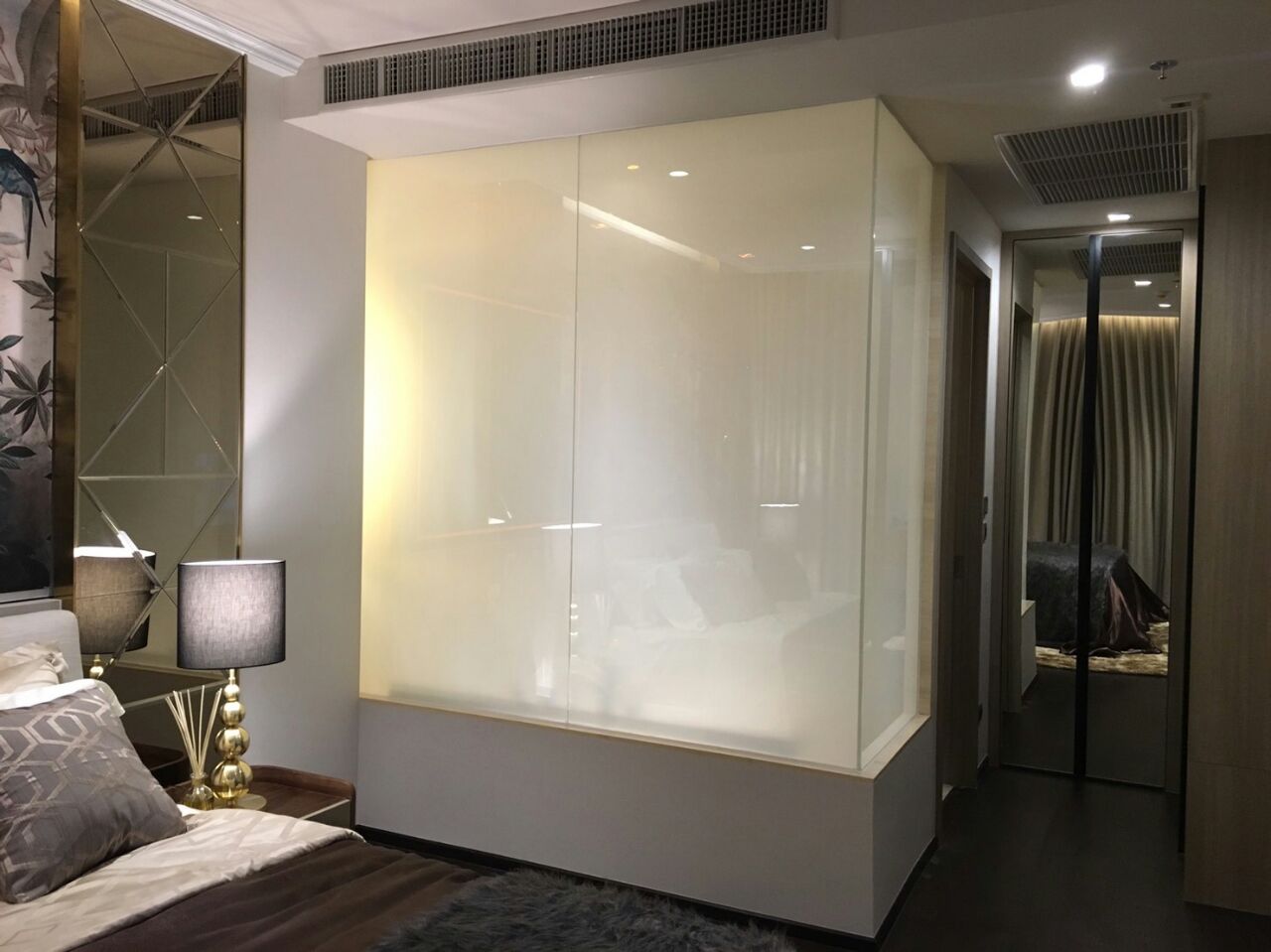
In open-plan homes or large bedrooms, smart glass partitions or doors offer privacy when needed. For example, a home office within a master bedroom can be visually separated using smart glass walls that turn opaque during work hours and clear when not in use, maintaining an open, spacious feel.
3. Kitchen and Dining Areas
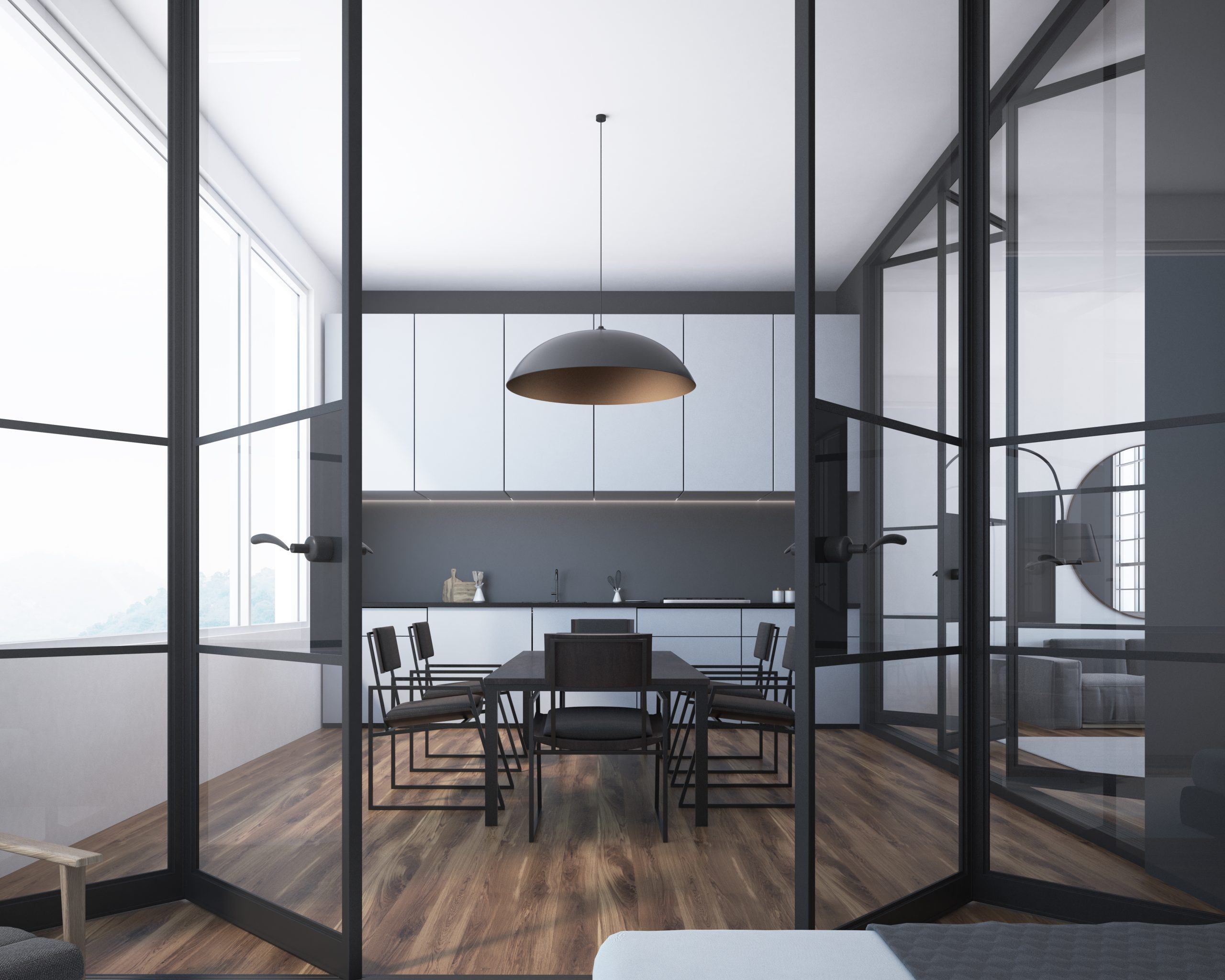
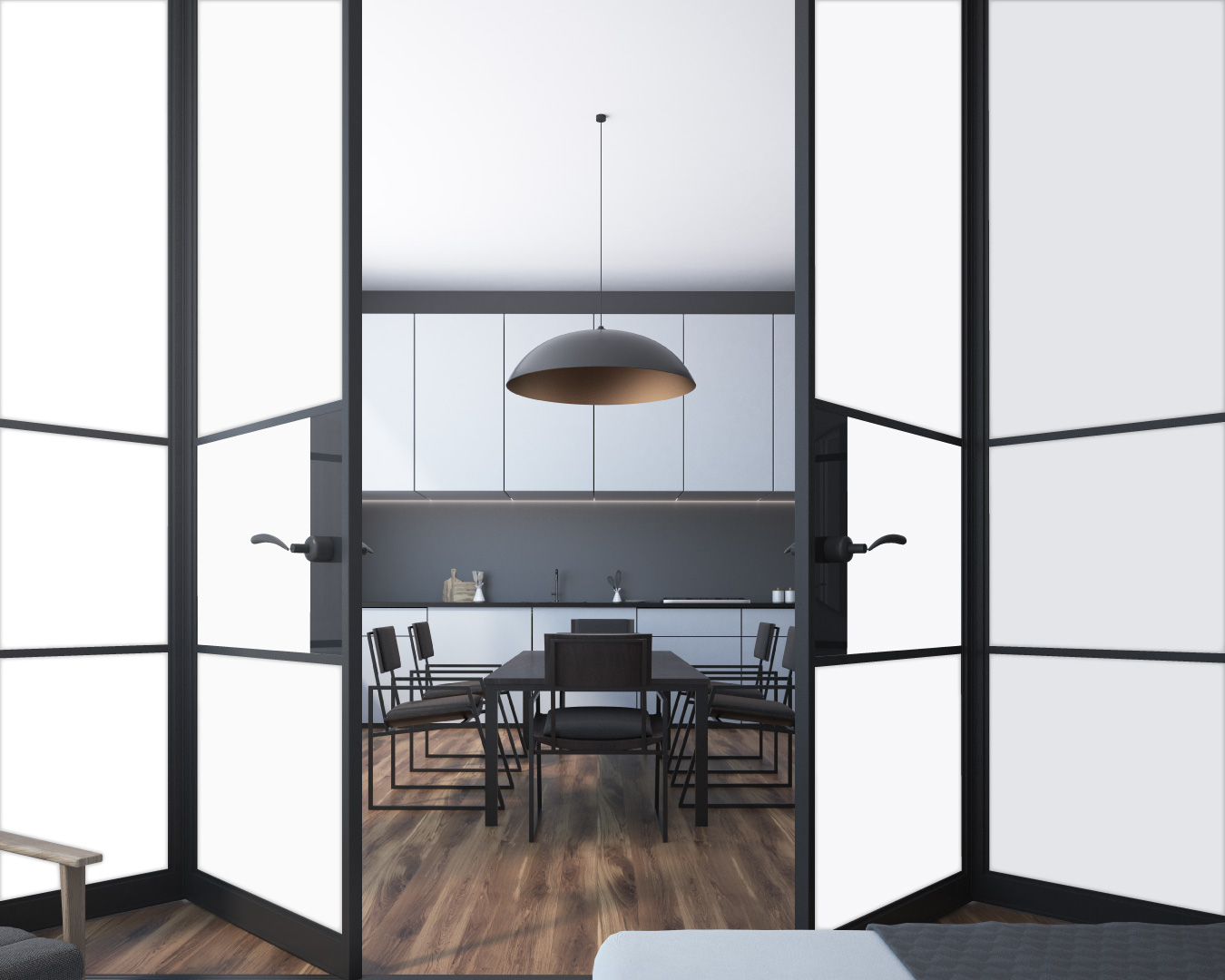
Smart glass can be used in kitchen and dining areas to create flexible spaces. For instance, glass walls between the kitchen and dining room can switch from clear during meal preparation to opaque during formal dinners, providing privacy for both cooking and dining activities.
4. Home Office Spaces
Privacy is crucial in home offices, especially during video conferences or meetings. Smart glass doors or partitions can offer privacy on demand, creating a professional environment without sacrificing the benefits of natural light and an open workspace design. If you also host client meetings at home, many of the tips in our switchable privacy glass for conference rooms guide translate well to residential meeting rooms.
5. External Windows and Skylights
External windows and skylights equipped with smart glass technology allow homeowners to control sunlight and heat gain throughout the day. By adjusting the transparency, they can reduce glare and enhance thermal comfort while maintaining privacy from external views.
Benefits of Smart Glass in Residential Settings
1. Enhanced Privacy
Smart glass provides instant privacy at the flick of a switch, offering homeowners peace of mind without compromising on aesthetics or natural light. It eliminates the need for traditional window treatments, such as blinds or curtains, creating clean, modern interiors.
2. Optimised Natural Light
Natural light is essential for well-being and energy efficiency. Smart glass maximises daylight penetration while controlling glare and UV exposure. This not only enhances the visual appeal of interiors but also reduces reliance on artificial lighting during the day—more on these advantages in our summary of smart glass benefits.
3. Energy Efficiency
Smart glass contributes to energy efficiency by regulating heat gain and loss. In its opaque state, it blocks solar heat during summer months, reducing cooling costs. In winter, it can help retain indoor heat, lowering heating expenses and overall energy consumption.
4. Modern Aesthetics
From a design perspective, smart glass offers a sleek, contemporary look that complements modern interiors. Its ability to transition between transparency states adds a high-tech element to home decor, making it a desirable feature for homeowners seeking innovative design solutions.
5. Sound Insulation
Some smart glass variants also offer sound insulation properties, reducing noise transmission between rooms or from external sources. This feature enhances comfort and privacy, particularly in urban environments or homes with multiple occupants.
Integrating Smart Glass into Residential Design
1. Consultation with Design Professionals
When integrating smart glass into residential properties, it’s essential to consult with design professionals and experienced installers. They can assess the feasibility of installation, recommend suitable technologies, and ensure seamless integration with existing architecture and home automation systems.
2. Consideration of Home Layout and Functionality
Evaluate the layout and functionality of each space to determine optimal locations for smart glass installations. Prioritise areas where privacy, natural light, and energy efficiency are critical, such as bedrooms, bathrooms, and living areas. For whole-home planning, this overview of residential privacy glass use cases is helpful.
3. Customisation and Control Options
Choose smart glass solutions that offer customisation options for opacity levels and control mechanisms. Consider integrating with smart home systems for convenient control via mobile apps, voice commands, or automation based on time of day or occupancy. If you’re still choosing the underlying tech, compare electrochromic vs thermochromic glass to match your goals.
4. Maintenance and Care
Regular maintenance of smart glass involves cleaning the surfaces and checking electrical connections to ensure optimal performance. Follow manufacturer guidelines for care and maintenance to extend the lifespan of the technology and preserve its functionality. It also helps to review common pitfalls in smart glass disadvantages so your design and operation plan avoids them.
Conclusion
Smart glass is transforming residential privacy by offering homeowners unprecedented control over transparency and light management. Its ability to enhance privacy while maximising natural light and energy efficiency makes it an invaluable addition to modern homes. Whether used in bathrooms, bedrooms, kitchen areas, or home offices, smart glass enhances comfort, aesthetics, and functionality. As homeowners seek innovative solutions that blend technology with everyday living, smart glass continues to emerge as a defining feature in contemporary residential design. For placement ideas and wiring/control options, start with switchable glass privacy solutions.
By embracing smart glass, homeowners can create personalised living environments that reflect their lifestyle preferences and enhance overall quality of life.
Who We Are
Tecdur is the leading manufacturer of smart glass for the UK and Ireland. Tecdur Switchable Glass provides the best clarity, lowest power consumption and lowest haze currently available. We can offer a wide range of specifications to meet project requirements with our switchable glass, cost is dependent on specification, application and design. Please get in contact with us to discuss further.
Please visit our portfolio for a look at completed projects. Keep up to date on our LinkedIn Showcase page


Frequently asked Questions

Our privacy glass works by utilising advanced PDLC (Polymer Dispersed Liquid Crystal) film. When an electrical current is applied, the liquid crystal molecules align, allowing light to pass through, making the glass transparent. When the current is switched off, the molecules mis-align, causing the glass to turn opaque or translucent, providing privacy.
Yes, smart glass can be retrofitted into existing homes. Professional installers can assess the feasibility of installation and recommend suitable solutions based on the home’s architecture and layout.
Smart glass controls solar heat gain and loss, reducing the need for artificial heating and cooling. This improves energy efficiency by lowering energy consumption and associated costs.
Yes, smart glass can be used in external windows and skylights to control sunlight and heat gain. Homeowners can adjust transparency to enhance thermal comfort and maintain privacy from external views.
Regular cleaning and inspection of electrical connections are recommended to maintain optimal performance of smart glass. Follow manufacturer guidelines for specific care and maintenance practices.