



Understand the factors that influence anti-bandit glass pricing and how to specify the right level of protection for your project.
One of the most common questions when specifying security glazing is: how much does anti-bandit glass cost?
The answer depends on a range of factors including certification level, glass thickness, panel size and any additional performance requirements.
Unlike standard glazing, anti-bandit glass is a performance-based product. It is designed and manufactured to meet specific security standards such as EN 356, meaning each project is typically priced based on its unique requirements.
As experienced security glass manufacturers in the UK, Tecdur designs and manufactures Tecdur Secure Glass —
a high-performance laminated glass range engineered to withstand severe levels of manual attack while delivering cost-effective, project-specific solutions.
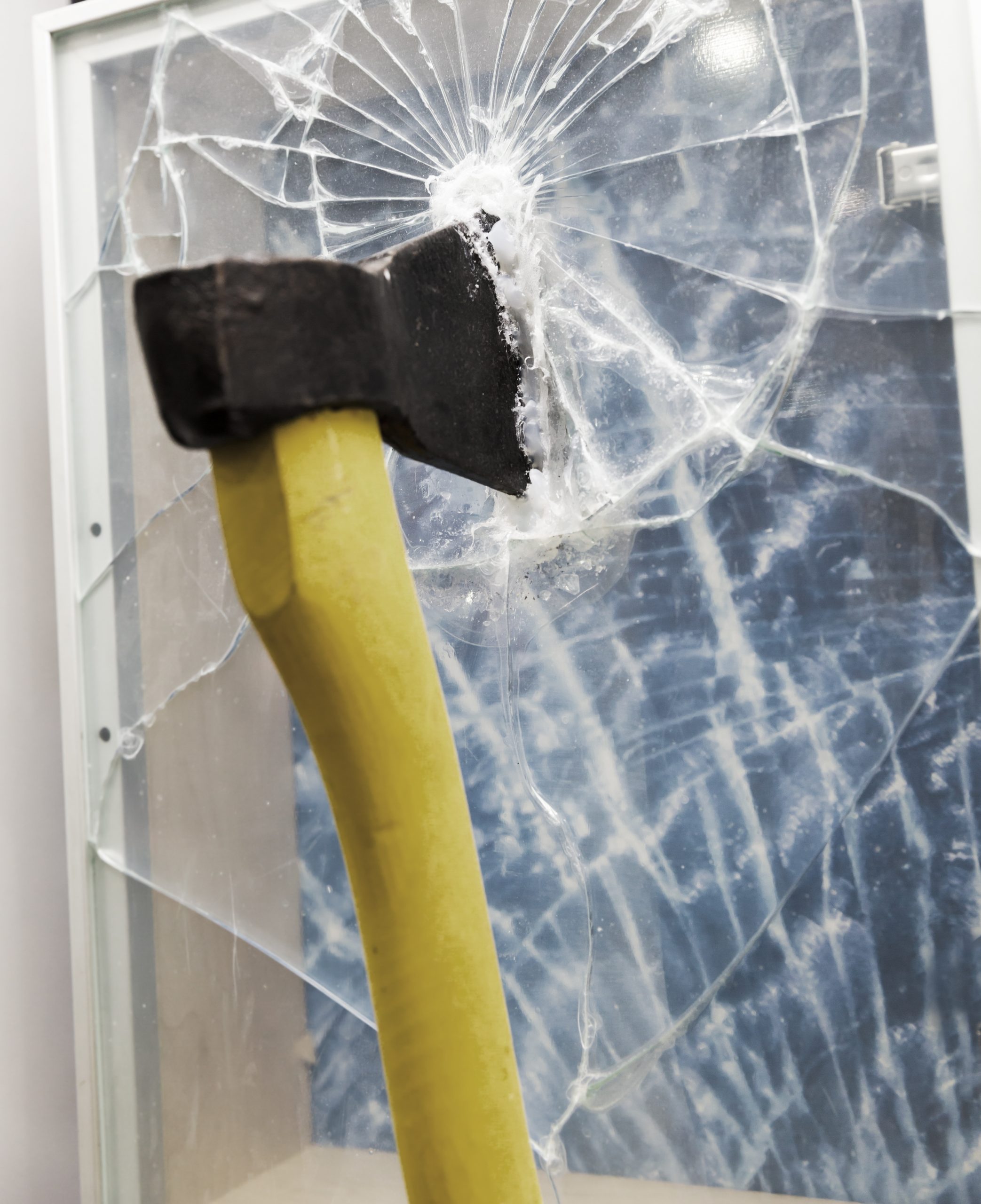
What Affects the Cost of Anti-Bandit Glass?
1. EN 356 Rating and Certification Level
The biggest factor affecting cost is the required EN 356 classification.
Higher ratings require more complex laminated constructions and increased material thickness.
- P1A to P5A – lower cost, designed for impact and vandal resistance
- P6B to P8B – higher cost, designed for sustained manual attack
2. Glass Thickness and Build-Up
Anti-bandit glass is made from multiple layers of glass and interlayers.
As performance requirements increase, so does the thickness and complexity of the laminated build-up, which impacts material and manufacturing costs.
3. Panel Size and Quantity
Larger panes, bespoke shapes and cut-outs can increase fabrication time and cost.
However, larger projects may benefit from production efficiencies, reducing the cost per unit compared to one-off pieces.
4. Additional Performance Requirements
Anti-bandit glass can be enhanced with additional features, which can also influence pricing:
- Ballistic resistance (EN 1063)
- Fire resistance (Exova, CertiFire)
- Blast resistance
- Acoustic performance
- Switchable privacy glass technology
Typical Anti-Bandit Glass Cost Guidance
While every project is different, anti-bandit glass generally costs more than standard laminated glass due to the enhanced performance and testing required to achieve EN 356 certification.
Lower-rated glass (P1A to P5A) is typically used for vandal resistance and carries a lower cost, while higher-rated glass (P6B to P8B) requires more advanced manufacturing and therefore commands a higher price.
The final cost will depend on the exact specification, including size, installation requirements and any additional performance features.
Why Specification Matters More Than Price
When selecting anti-bandit glass, the focus should always be on achieving the correct level of protection rather than choosing based on cost alone.
Under-specifying can leave a building vulnerable, while over-specifying can increase costs unnecessarily.
Working with experienced manufacturers ensures that the glazing system is tailored to the specific risks and requirements of the project.
Get Accurate Pricing for Your Project
Because anti-bandit glass is a bespoke product, the most accurate way to determine cost is through a technical consultation.
This allows factors such as certification level, panel size, framing and performance requirements to be properly assessed.
Tecdur can advise on EN 356 and LPS 1270 ratings, system design and installation considerations to help you achieve the right balance of security, performance and budget.
Secure Glass can be:

Enhance Security

Impact Resistant

Bullet Resistant

Blast Resistant

Fire Resistant

Acoustic
Why Choose Tecdur?
With over 15 years of industry experience and advanced in-house manufacturing capability, Tecdur provides certified, high-performance security glazing designed to protect people and property.
Our team works closely with architects, contractors and specifiers to deliver cost-effective anti-bandit glass solutions tailored to each project.
Whether you are specifying glazing for retail, commercial or high-security environments, Tecdur can help you achieve the right balance of performance and budget.