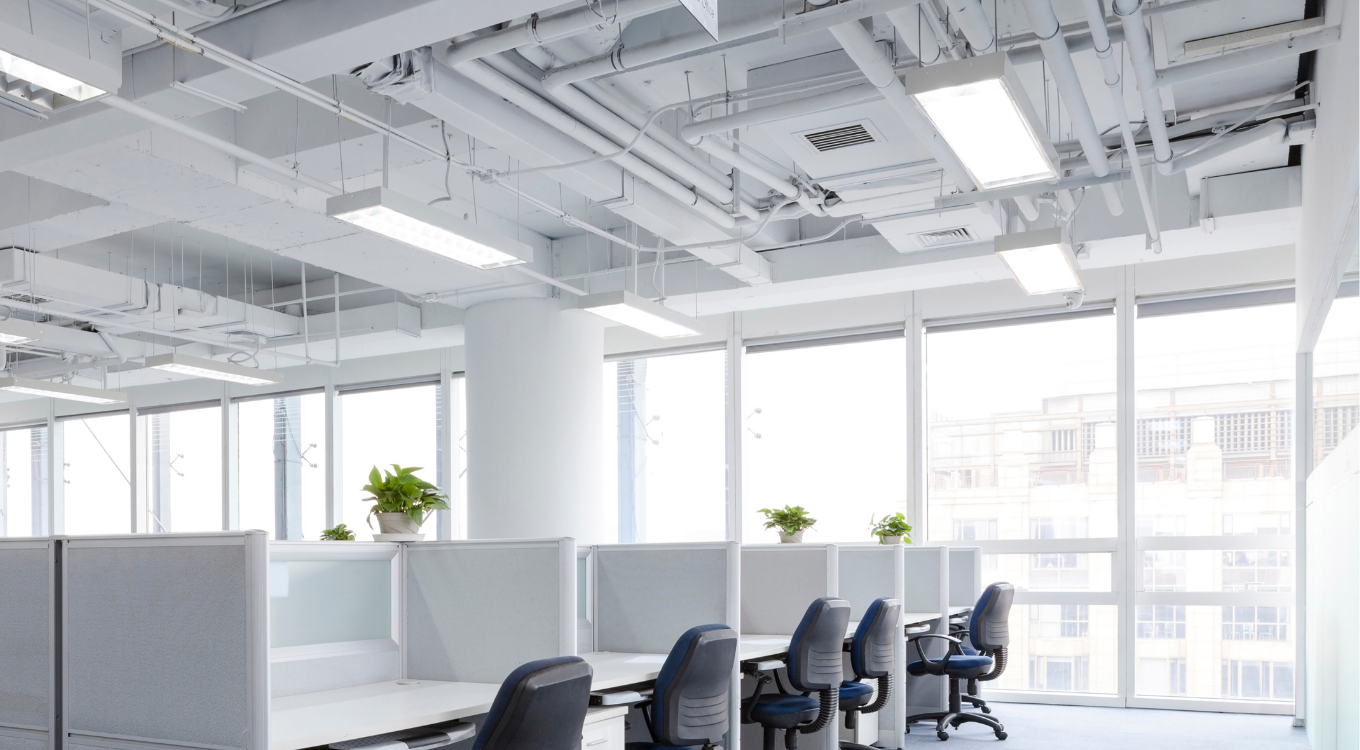



Switchable privacy glass is revolutionizing modern office design by offering flexible solutions for privacy, energy efficiency, and design aesthetics. Whether you’re designing a conference room or an executive office, this technology allows for seamless transitions between transparent and opaque states, adapting to the changing needs of a dynamic work environment. For layout ideas and examples, see how smart privacy glass transforms modern office design and our guide to switchable glass for office partitions. This guide explores the factors to consider when selecting the best switchable privacy glass for your office.
Types of Switchable Privacy Glass
- Electrochromic Glass: Electrochromic glass operates by using small amounts of electricity to change the light transmission properties. This glass is ideal for managing glare and heat, providing excellent energy-saving potential—learn more in our overview of switchable glass technology.
- PDLC (Polymer Dispersed Liquid Crystal) Glass: PDLC glass uses liquid crystals that align or scatter light depending on the electrical charge applied. It provides instant privacy at the flip of a switch, making it highly suitable for spaces like conference rooms.
- SPD (Suspended Particle Devices) Glass: SPD glass uses suspended particles that either block or allow light based on electrical currents. It is highly effective for precise control of light and privacy, often preferred in specialized environments (see fundamentals in switchable glass technology).
Comparison of Glass Types
Each type of switchable privacy glass has unique characteristics. Electrochromic glass excels in energy efficiency, PDLC glass offers instant privacy control, and SPD glass provides superior light management. For application-led comparisons, explore switchable glass privacy solutions.
Key Benefits of Switchable Privacy Glass
- Privacy Control: Switchable privacy glass allows you to adjust the opacity, offering on-demand privacy for meetings or personal conversations—ideal for modern office buildings.
- Energy Efficiency: The technology helps reduce energy costs by minimizing heat gain, cutting down on air conditioning expenses, and optimizing natural light use (see strategies for office energy performance).
- Versatility in Design: It’s available in various forms, shapes, and colors, providing flexibility to match different architectural styles—more inspiration in this office design guide.
- Noise Reduction: Privacy glass can also function as sound insulation, making it valuable for open-plan offices and conference rooms (pair with office partitions for best results).
- Health and Well-being: Switchable privacy glass can help manage light exposure, reducing eye strain and improving overall well-being for employees—see how privacy glass can enhance your office space.
How Switchable Privacy Glass Works
Technical Overview: At its core, switchable privacy glass uses electrical currents to alter its opacity. The glass contains special materials that react to these currents, making it transparent or opaque depending on the voltage applied. A deeper dive is available in switchable glass technology.
How PDLC Technology Works
PDLC technology relies on liquid crystals that scatter when electricity is absent, creating an opaque effect. When a charge is applied, the crystals align, allowing light to pass through and creating transparency. (More in our technology explainer.)
How Electrochromic Technology Works
Electrochromic glass functions by changing the color of the glass with a small voltage, offering a gradual transition from transparent to tinted.
Factors to Consider When Choosing
- Glass Type and Technology: Consider your office’s privacy and light control needs when selecting between PDLC, electrochromic, or SPD glass (refer to solution overviews).
- Light Transmission and Opacity Levels: Evaluate how much natural light is needed and the level of privacy you want for different areas of your office—see design tips in this office design article.
- Durability and Longevity: Opt for a solution that can withstand the wear and tear of an office environment and has a long service life (home-window durability insights also apply: best privacy glass for home windows).
- Energy Consumption and Sustainability: Assess the glass’s energy consumption to ensure it aligns with your office’s sustainability goals—browse privacy solutions for specifications.
Office Use Cases for Switchable Glass
- Conference Rooms: Instant privacy during meetings and presentations can be easily achieved by switching the glass from clear to opaque—see conference room applications.
- Open-plan Office Areas: In open-plan spaces, switchable glass can help create partitioned sections when needed, while maintaining an open feel when not in use. Ideas here: office partitions.
- Private Offices: For executives or managers, switchable glass offers a professional way to ensure privacy while still allowing an open office aesthetic (see enhancing your office space).
- Reception Areas: Create a welcoming but private reception area by installing switchable glass that enhances both design and function—more examples in modern office building solutions.
- Specialty Use Cases (e.g., Healthcare Offices): Switchable glass is particularly useful in healthcare offices where patient privacy is crucial, and instant transitions between privacy and openness are beneficial—overview at privacy solutions.
Cost and Budget Considerations
- Initial Installation Costs: Switchable privacy glass tends to be more expensive upfront compared to traditional options, but the long-term benefits often outweigh the initial investment (see planning guidance in office solutions).
- Maintenance Costs: Minimal maintenance is required for switchable glass, primarily involving cleaning and occasional electrical checks.
- Long-term Savings through Energy Efficiency: By reducing energy consumption and improving insulation, switchable glass can result in significant cost savings over time. Explore technology choices at switchable glass technology.