
Introduction
In the heart of busy cities, access to natural light is often as valuable as square footage. Taller buildings, tighter plots and overlooked façades can all make it difficult to bring daylight into homes, offices and shared spaces without compromising privacy. Privacy glass offers a smart way to solve this challenge, allowing urban developments to maximise natural light while maintaining discretion, comfort and contemporary aesthetics.
In this blog, we’ll explore how privacy glass is transforming urban buildings – from luxury apartments and mixed-use schemes to compact residential blocks – by optimising the use of daylight without relying on blinds, curtains or solid walls.

What Is Privacy Glass?
Privacy glass – sometimes called smart glass, switchable glass or intelligent glass – is an advanced glazing solution that can change from clear to opaque at the touch of a button. Using technologies such as PDLC (Polymer Dispersed Liquid Crystal), electrochromic or SPD films, privacy glass technology allows occupants to control visibility without blocking daylight or adding extra hardware.
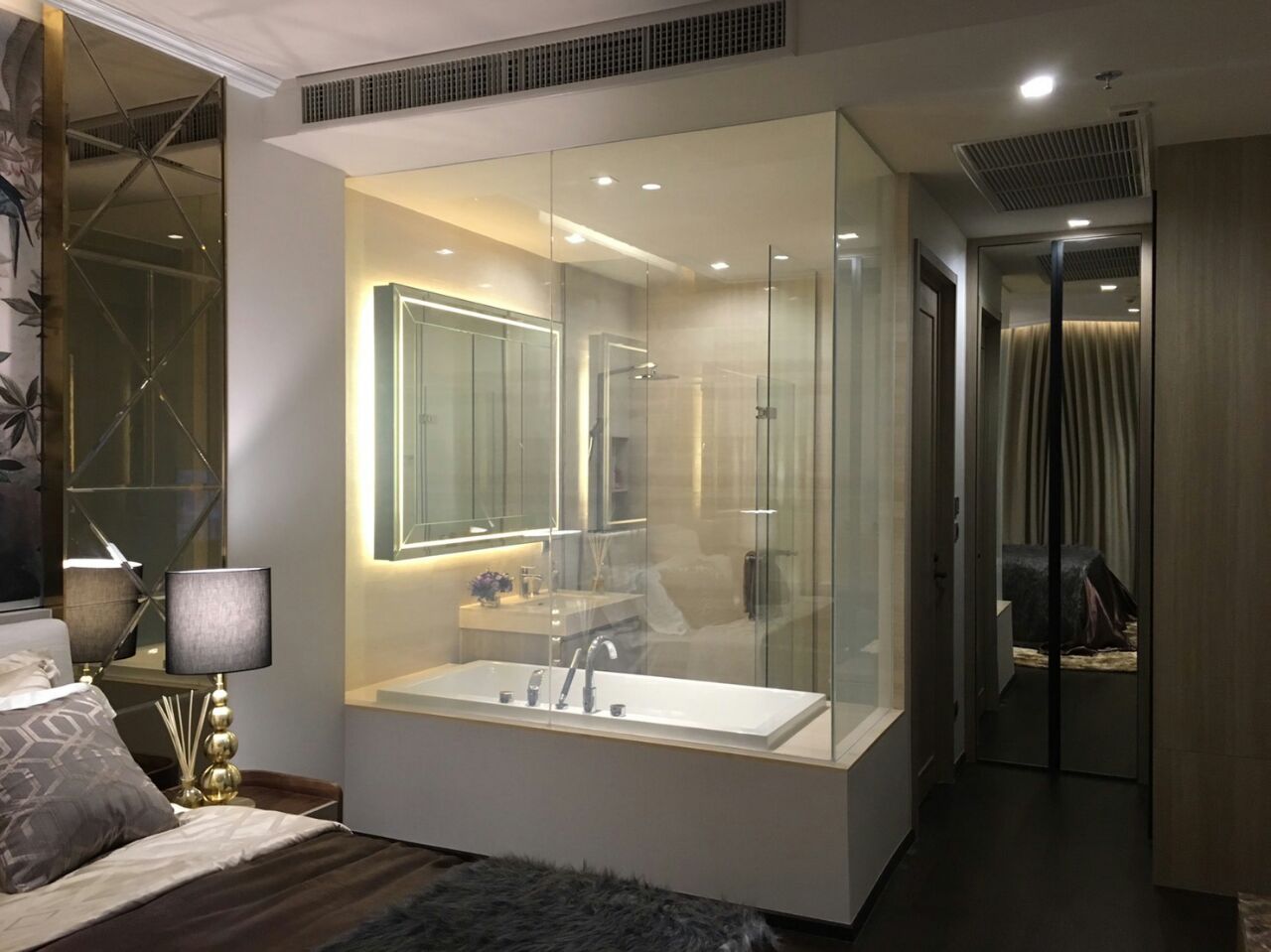
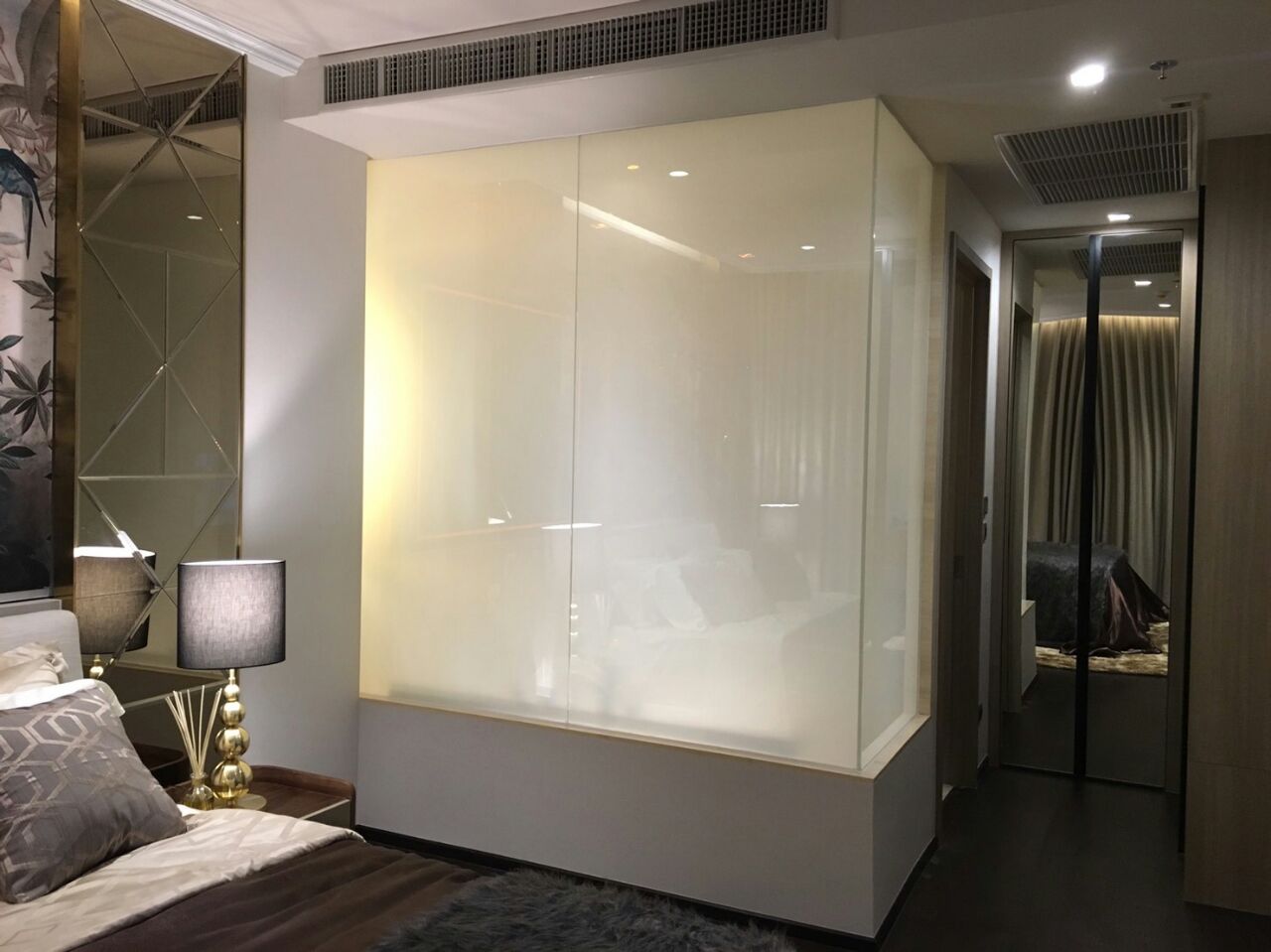
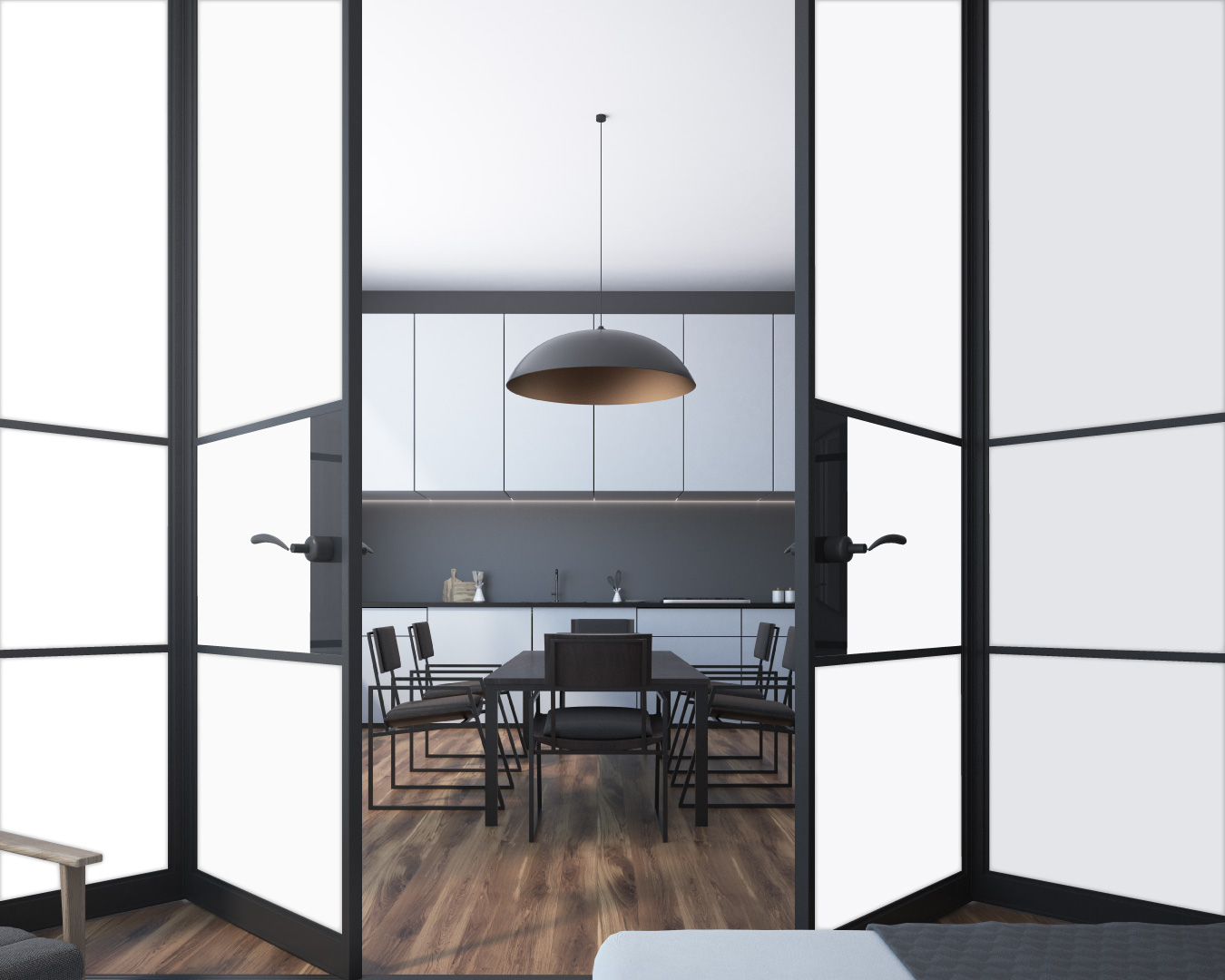
When powered, the glass appears clear, allowing views and natural light to pass through. When switched to its privacy mode, it becomes opaque or translucent, obscuring views while still diffusing light into the space.
Maximising Natural Light in Dense Urban Settings
In dense city environments, windows are often shaded by neighbouring buildings or face directly onto streets and courtyards. Traditional privacy measures – curtains, blinds or obscure glass – tend to reduce the amount of usable daylight. Privacy glass takes a different approach:
- Clear when you want light: In its transparent state, privacy glass lets in as much natural light as conventional glazing, helping rooms feel larger and more open.
- Private when you need it: At the press of a switch, glass turns opaque, providing instant privacy from neighbouring properties, passers-by or shared corridors.
- Daylight deeper into the building: By using privacy glass for internal partitions as well as façades, light can be borrowed from the outside and carried into corridors, entrance halls and inner rooms.
Enhancing Urban Living Spaces
For city apartments and townhouses, balancing openness and privacy is a constant design challenge. Residential privacy glass helps developers and homeowners achieve both:
- Street-facing rooms: Living spaces can remain open to daylight during the day, then switch to privacy mode in the evening without drawing blinds or closing off views.
- Balconies and winter gardens: Switchable balustrades or side screens help mitigate overlooking while retaining the light and connection to outside space.
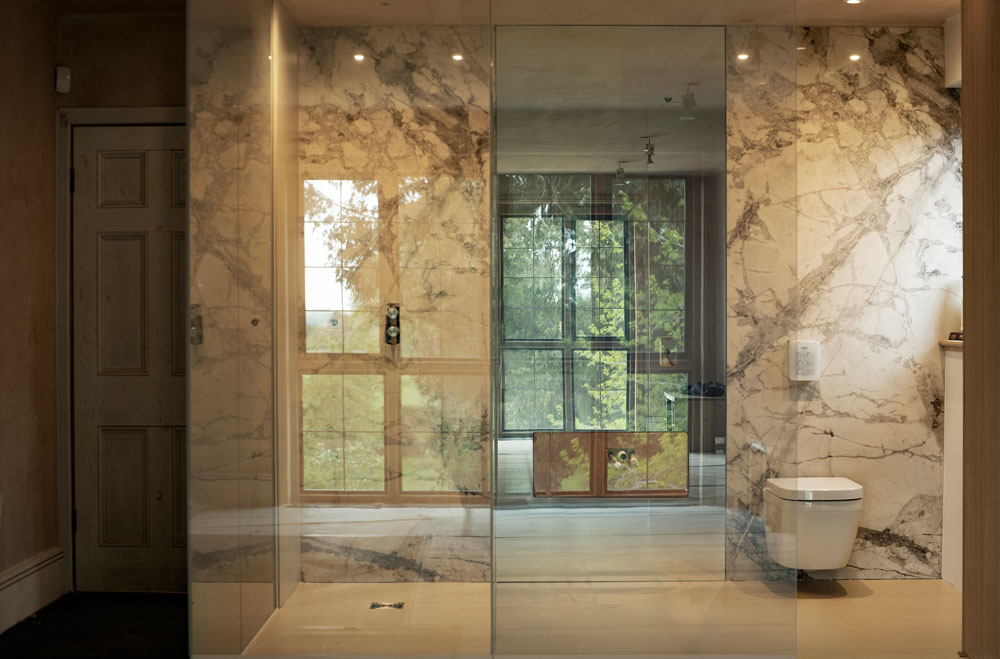
- Bathrooms in compact layouts: With bathroom privacy glass, wet rooms and ensuites can sit on external elevations or between rooms, sharing light but remaining fully private when required.
These solutions are particularly attractive in premium schemes, where maximising perceived space, views and daylight is critical. It’s one of the reasons privacy glass has become a recognised feature in luxury real estate developments.
Boosting Energy Efficiency with Daylight
More natural light typically means less reliance on artificial lighting during the day, cutting energy use and operational costs. Privacy glass supports this in several ways:
- Reduced lighting demand: Clear glass during daylight hours keeps interiors bright without adding blinds that permanently lower light levels.
- Better solar management: When combined with smart window technology, switchable glass can form part of a façade strategy that manages glare and solar gain, supporting cooling loads.
- Smarter building controls: Integrated into switchable glass privacy solutions, privacy states and lighting can be automated based on time of day or occupancy, improving consistency and efficiency.
Versatile Design Opportunities for Urban Projects
Privacy glass gives architects and interior designers more freedom when planning urban schemes where every square metre counts:
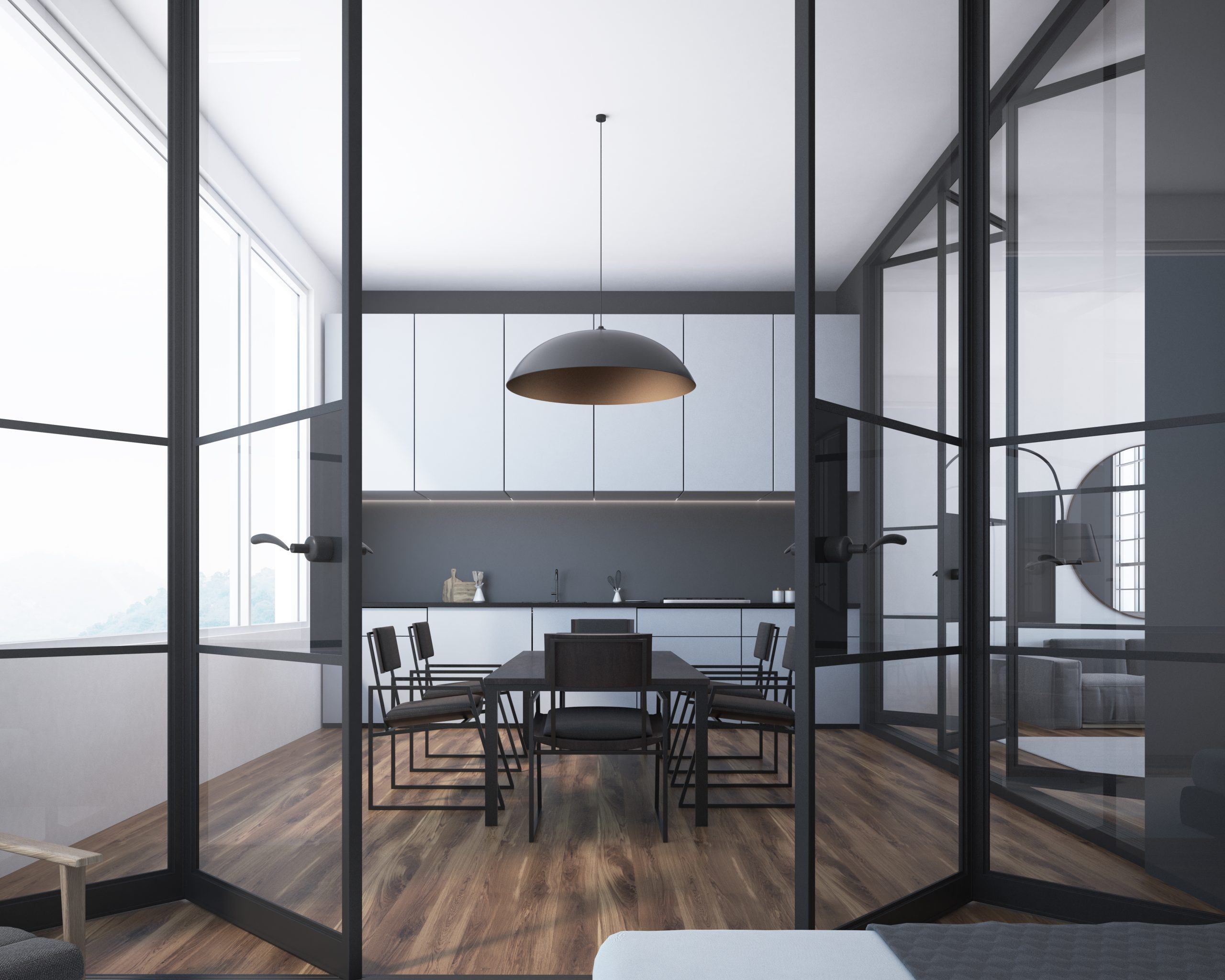
- Multi-use spaces: Open-plan living areas, co-working lounges and amenity spaces can convert to private meeting rooms or quiet areas instantly.
- Slimmer partitions: Glazed walls with switchable interlayers allow for narrower construction than solid partitions, improving net internal area while maintaining acoustic and visual separation.
- Clean, minimal finishes: The absence of visible blinds or curtains supports contemporary, clutter-free interiors, a key selling point in competitive urban markets.
Supporting Occupant Health and Well-Being
Urban residents and workers often spend the majority of their time indoors. Access to natural light is strongly linked to:
- Better sleep quality through healthier circadian rhythms
- Improved mood and reduced stress
- Higher productivity and concentration
By making it easier to introduce light into deep floorplates and privacy-sensitive spaces – from medical suites to home offices – privacy glass in medical offices and other urban interiors helps create healthier environments without sacrificing confidentiality.
Applications Across Urban Building Types
Privacy glass can add value to almost any urban development typology:
- Residential blocks: Façade glazing, balcony screens, internal partitions and bathrooms in compact or overlooked locations.
- Mixed-use schemes: Shared lobbies, amenity areas, gyms and co-working spaces that need to flex between public and private uses.
- Commercial and financial buildings: Client meeting rooms and consulting areas, complementing specialist solutions for maximising privacy in financial discussions.
- Healthcare and clinics: Waiting areas, consulting rooms and treatment spaces where daylight and discretion must go hand in hand.
Conclusion
As cities continue to grow denser and taller, the pressure on designers to deliver bright, comfortable and private spaces will only increase. Privacy glass provides a powerful tool for urban developments, enabling buildings to harness natural light while safeguarding privacy, improving energy performance and elevating aesthetics.
From high-end apartments to mixed-use towers and healthcare facilities, integrating privacy glass into early design decisions can help create more liveable, sustainable and desirable urban environments.
Who We Are
Tecdur is the leading manufacturer of smart glass for the UK and Ireland. Tecdur Switchable Glass provides the best clarity, lowest power consumption and lowest haze currently available. We can offer a wide range of specifications to meet project requirements with our switchable glass, cost is dependent on specification, application and design. Please get in contact with us to discuss further.
Please visit our portfolio for a look at completed projects. Keep up to date on our LinkedIn Showcase page.


Frequently asked Questions

Our privacy glass works by utilising advanced PDLC (Polymer Dispersed Liquid Crystal) film. When an electrical current is applied, the liquid crystal molecules align, allowing light to pass through, making the glass transparent. When the current is switched off, the molecules mis-align, causing the glass to turn opaque or translucent, providing privacy.
Privacy glass, also known as switchable glass or smart glass, is a type of glass that can change its transparency on demand. It uses an interlayer containing liquid crystals that align or scatter when an electric current is applied, allowing the glass to switch between transparent and opaque states.
Privacy glass maximises natural light, reducing the need for artificial lighting during daylight hours. This can lead to significant energy savings and lower utility bills, making buildings more energy-efficient.
Yes, privacy glass is versatile and suitable for various applications in both residential and commercial properties. It can be used in external windows, internal partitions, bathrooms, and conference rooms, among other areas.
Absolutely. Privacy glass provides a sleek, modern look that can elevate the aesthetic appeal of any building. Its ability to switch between transparent and opaque states offers a contemporary and high-tech appearance.
By allowing natural light to flood into interiors, privacy glass helps regulate circadian rhythms, which can improve sleep quality and overall health. Access to natural light is linked to better mood, productivity, and well-being, making spaces more attractive and healthier for occupants.