



Introduction
In the dynamic landscape of banking and financial institutions, the strategic layout of spaces plays a crucial role in enhancing both operational efficiency and client experience. Privacy Glass technology has emerged as a key element in optimising bank layouts across the UK. By intelligently integrating Privacy Glass into architectural designs, banks can achieve a balance between transparency and confidentiality, thereby transforming their environments into secure, welcoming, and efficient spaces. This approach reflects wider trends in future-focused bank design and the use of glass as a dynamic design tool.

Understanding Privacy Glass Technology
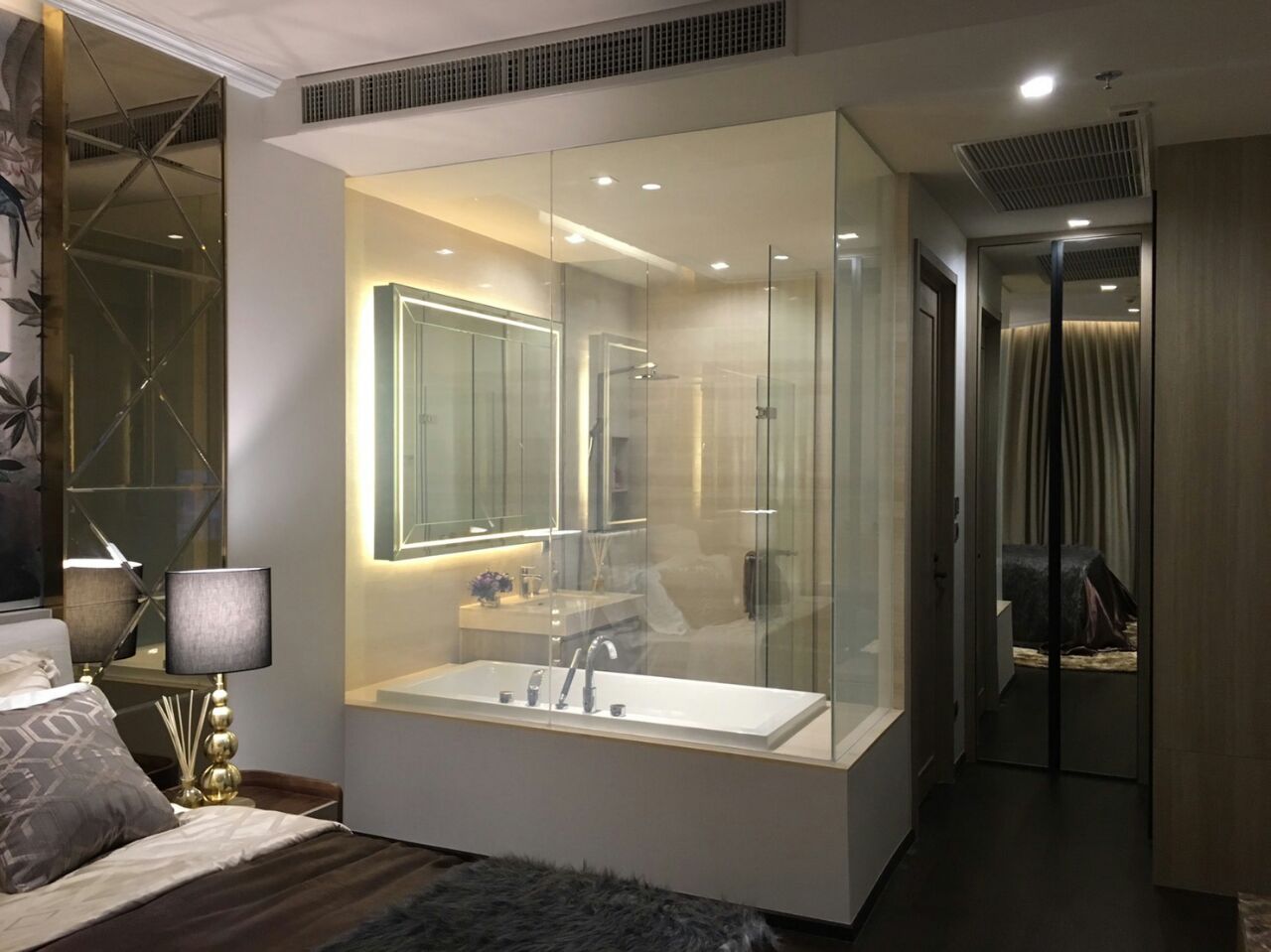
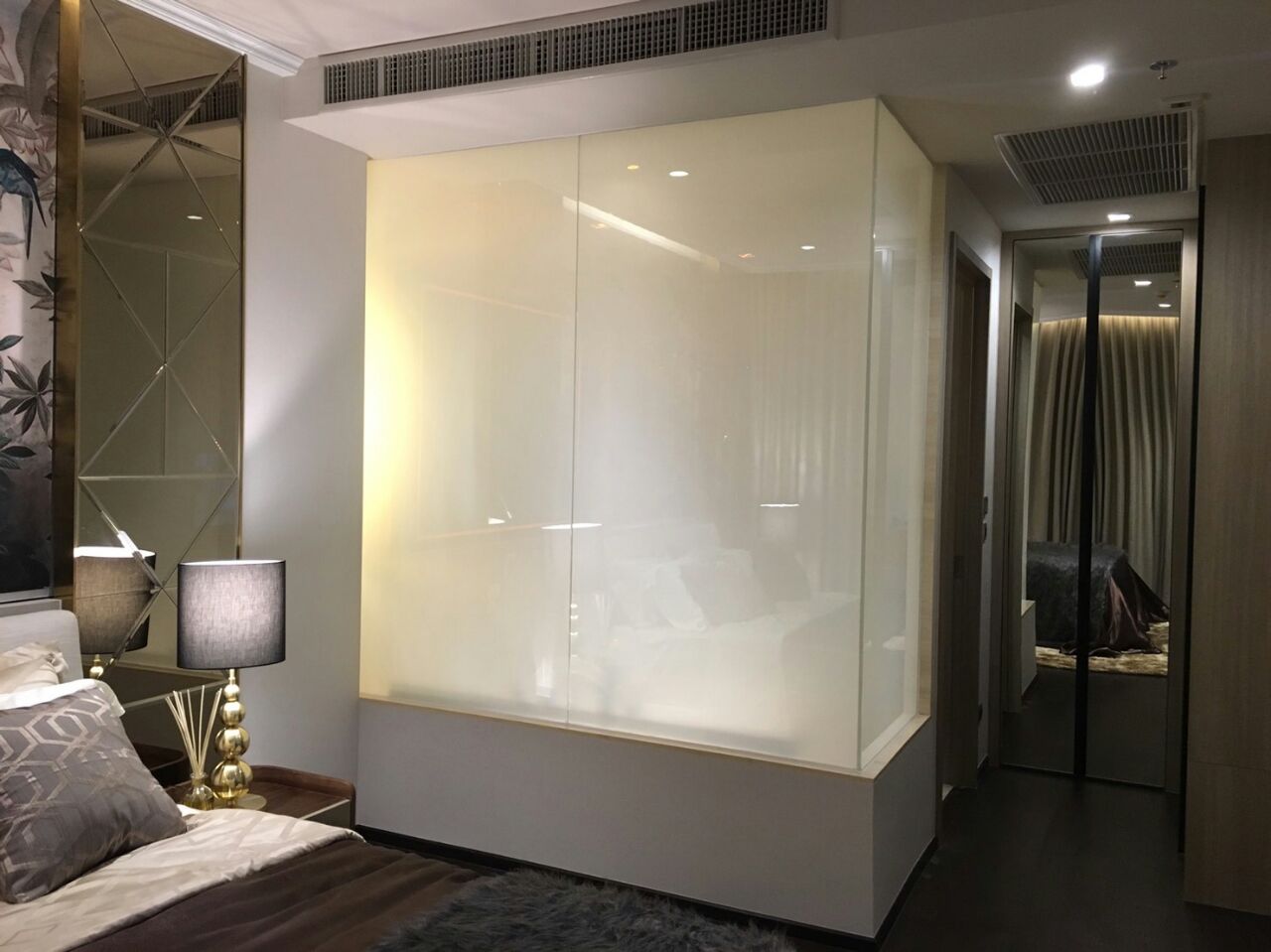
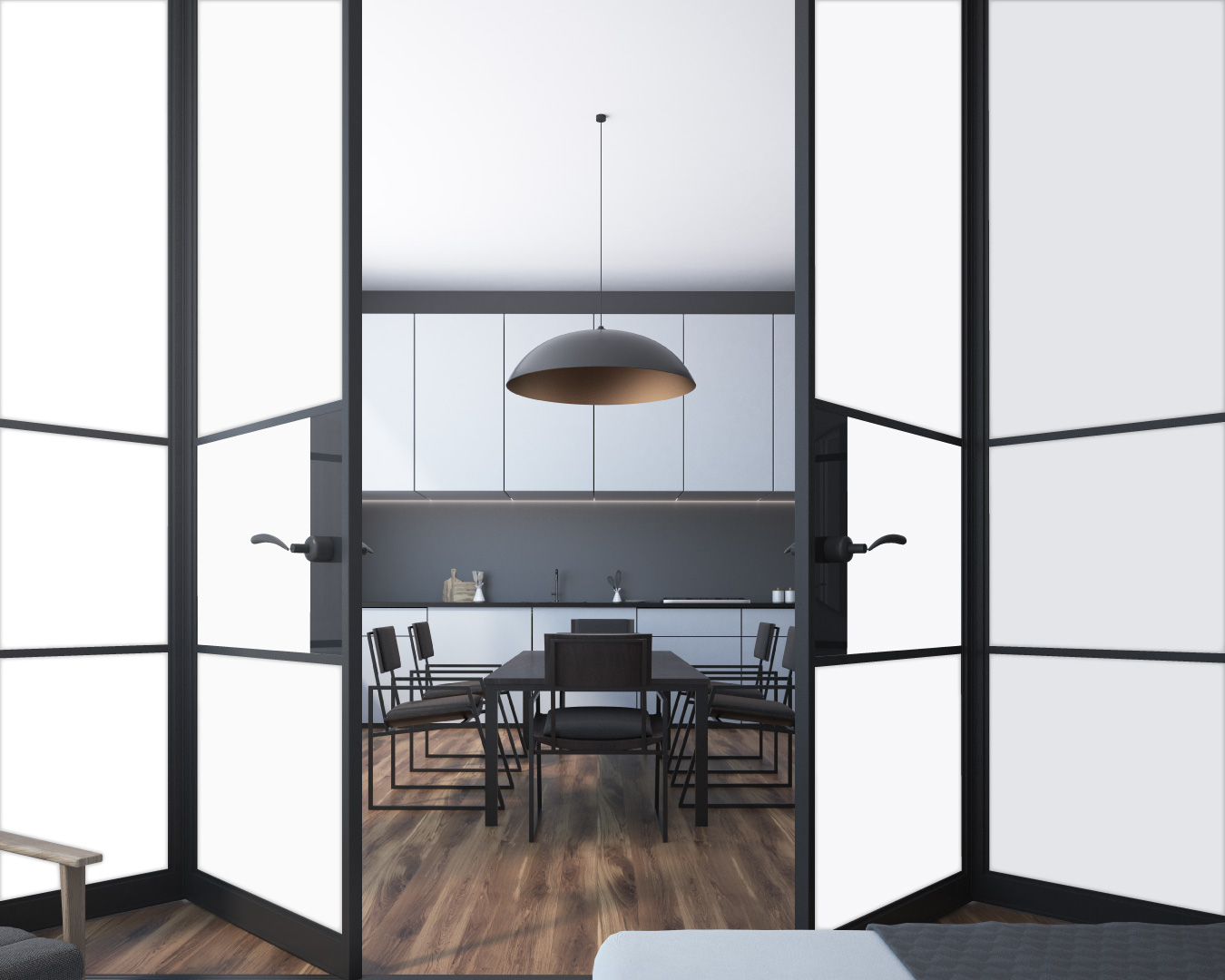
Privacy Glass, also known as switchable glass or smart glass, operates using electrochromic technology. This allows the glass to switch between transparent and opaque states with the application of an electrical current. In bank layouts, Privacy Glass offers the flexibility to create private areas while maintaining an open and spacious feel when transparency is desired. For a deeper look at how the underlying systems work, you can explore Tecdur’s dedicated guides on privacy glass technology and broader smart window technology.
Benefits of Privacy Glass in Bank Layouts
Implementing Privacy Glass provides numerous benefits for bank layouts:
- Enhanced Privacy and Security: Protect sensitive client information and transactions from visual intrusion and surveillance. This is particularly important where institutions are focused on protecting client data with privacy glass in bank offices.
- Flexible Space Utilisation: Easily transform open spaces into private areas as needed, accommodating various operational requirements. Similar principles are already being used in other sectors, such as big tech workspaces optimised with privacy glass.
- Aesthetic Enhancement: Modernise bank interiors with sleek, contemporary glass panels that reflect professionalism and innovation. In some branches, this can even extend to customer-facing zones, taking inspiration from retail display innovation using privacy glass for digital advertising.
- Improved Client Experience: Provide discreet and comfortable environments for client interactions, enhancing satisfaction and trust.
- Compliance with Regulations: Meet regulatory standards and data protection laws by integrating Privacy Glass into bank designs, supporting policies around confidentiality and data handling.
Strategic Applications of Privacy Glass in Bank Layouts
Privacy Glass can be strategically applied in various areas within bank layouts:
- Client Consultation Areas: Create private spaces for sensitive client interactions and financial consultations, aligning with best practice for maximising privacy in financial discussions.
- Meeting Rooms and Boardrooms: Ensure confidentiality during strategic discussions, meetings, and presentations.
- Executive Offices: Enhance privacy for senior management and executives handling confidential matters.
- Transaction Counters: Increase security and confidentiality for teller stations and customer service points.
- Open Plan Offices: Partition areas effectively to maintain privacy while promoting collaboration and teamwork. Many of these ideas build on innovative ways to use privacy glass in banking environments, where layouts must remain adaptable over time.
Integrating Privacy Glass into Bank Design
Architects and building planners play a pivotal role in integrating Privacy Glass seamlessly into bank layouts. Collaboration with experts in smart glass technology ensures that Privacy Glass solutions not only meet functional requirements but also enhance the aesthetic appeal and operational efficiency of bank environments. Factors such as acoustic insulation, lighting control, and maintenance should be considered to optimise the performance of Privacy Glass installations. Lessons from other sectors, such as hospitals using privacy glass to enhance patient experience, can also help inform people-centric banking environments.
Enhancing Bank Efficiency and Client Satisfaction
Privacy Glass contributes significantly to optimising bank layouts:
- Space Efficiency: Maximise the use of available space by creating flexible and adaptable environments with Privacy Glass partitions.
- Client Confidentiality: Ensure that sensitive information remains secure and confidential during client interactions and financial transactions, reinforcing wider strategies for protecting client confidentiality in financial institutions.
- Employee Productivity: Provide a conducive working environment where employees can focus on their tasks without distractions.
- Cost Savings: Reduce operational costs associated with physical renovations by using Privacy Glass to create modular and flexible spaces.
- Sustainability: Incorporate energy-efficient Privacy Glass solutions that contribute to overall building sustainability goals, especially when coordinated with broader smart glazing strategies.
Conclusion
Privacy Glass technology represents a strategic investment for optimising bank layouts in the UK. By leveraging this advanced solution, financial institutions can achieve a harmonious balance between transparency and privacy, thereby enhancing security, efficiency, and client satisfaction. Privacy Glass not only transforms the physical environment of banks but also reinforces their commitment to innovation and excellence in client service. For banks looking to take the next step, exploring the wider ecosystem of privacy glass technology and smart window systems can help shape future-ready financial spaces.
Who We Are
Tecdur is the leading manufacturer of smart glass for the UK and Ireland. Tecdur Switchable Glass provides the best clarity, lowest power consumption and lowest haze currently available. We can offer a wide range of specifications to meet project requirements with our switchable glass, cost is dependent on specification, application and design. Please get in contact with us to discuss further.
Please visit our portfolio for a look at completed projects. Keep up to date on our LinkedIn Showcase page


Frequently asked Questions

Our privacy glass works by utilising advanced PDLC (Polymer Dispersed Liquid Crystal) film. When an electrical current is applied, the liquid crystal molecules align, allowing light to pass through, making the glass transparent. When the current is switched off, the molecules mis-align, causing the glass to turn opaque or translucent, providing privacy.
Yes, Privacy Glass can often be customised and installed in historical or listed buildings with careful consideration of architectural preservation requirements.
Privacy Glass helps create a more comfortable and private working environment for employees, thereby enhancing job satisfaction and productivity.
Privacy Glass provides visual privacy and can be integrated with security systems to enhance overall security measures within bank premises.
Yes, there are types of Privacy Glass designed for outdoor use, providing privacy and protection while maintaining aesthetic appeal.
Privacy Glass can be adjusted to control the amount of natural light entering different areas of the bank, contributing to energy efficiency and creating a more comfortable indoor environment.