



Introduction
In the fast-paced world of banking and finance, ensuring the security and confidentiality of transactions is paramount. Financial institutions must adopt advanced technologies that not only enhance security but also improve user experience and operational efficiency. Privacy glass in financial institutions emerges as a transformative solution, revolutionising the way secure financial transactions are conducted. This blog explores how privacy glass can significantly impact secure financial transactions in the UK banking sector, providing insights for users, architects, building planners, and stakeholders. For broader context on meeting room and advisory settings, you can also look at Tecdur’s guide on maximising privacy in financial discussions.

Enhancing Security and Confidentiality
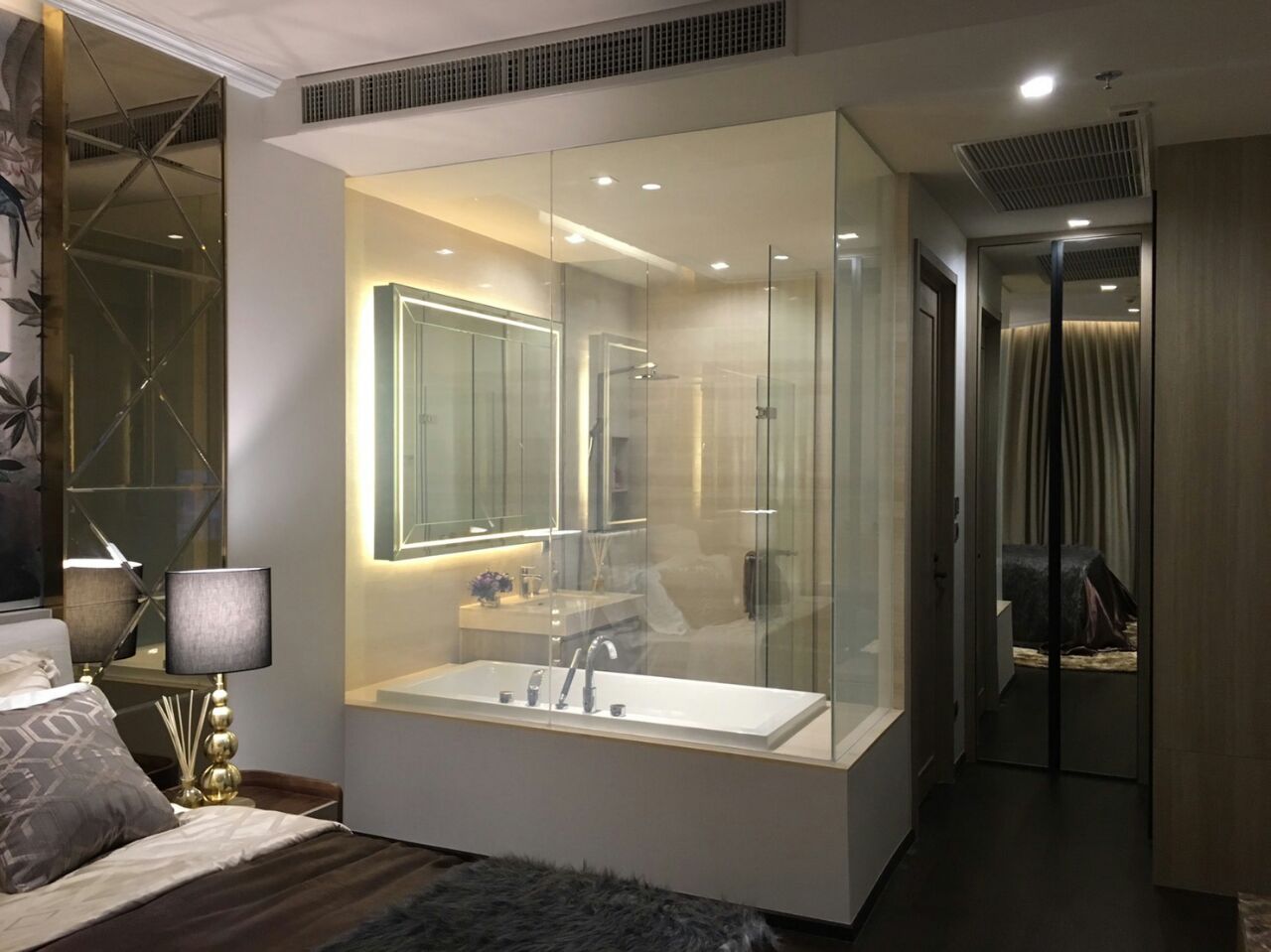
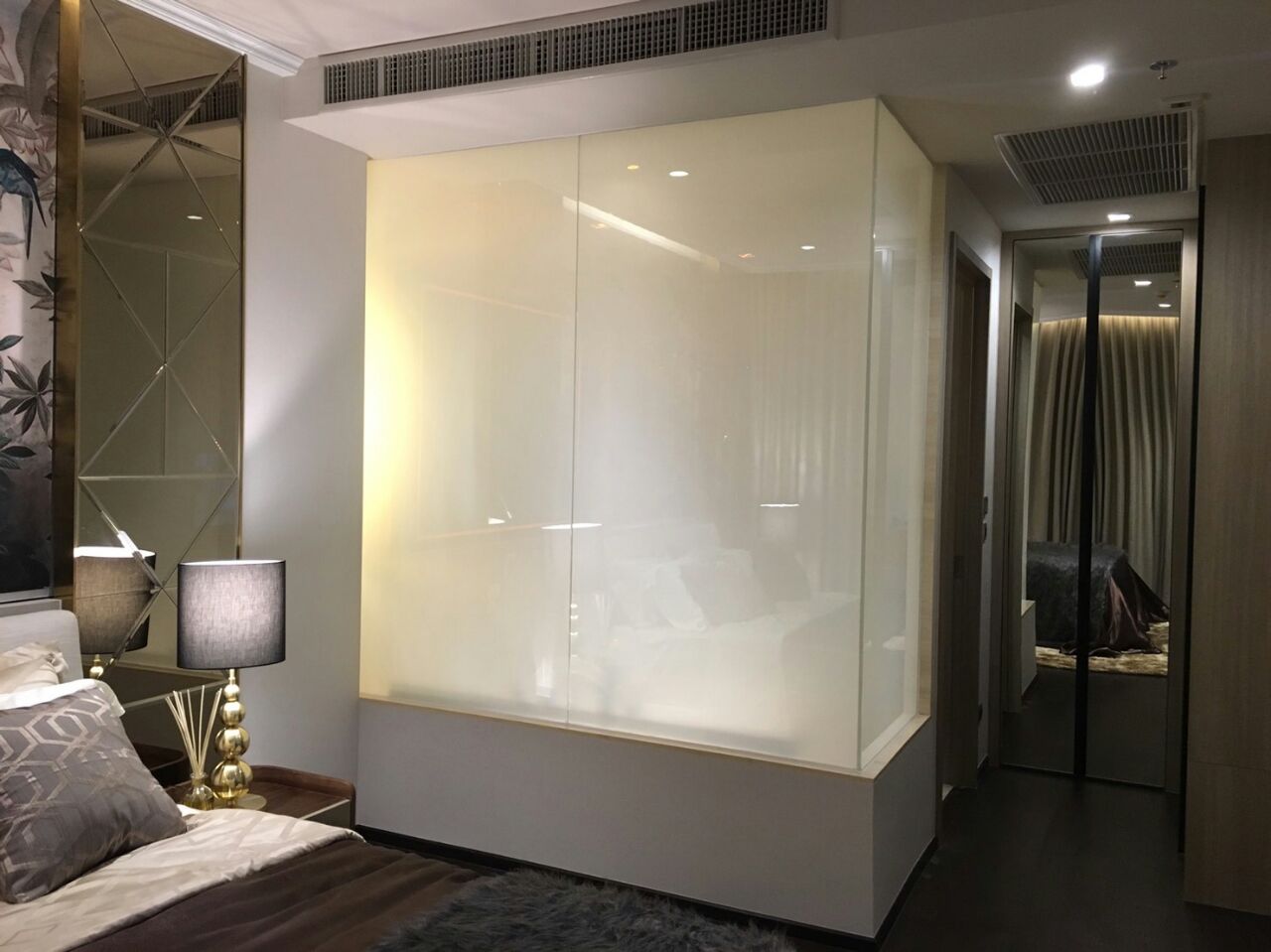
Privacy glass, also known as switchable glass or smart glass, offers a dynamic solution for maintaining privacy and confidentiality during financial transactions. By using technologies such as liquid crystal, electrochromic films, or suspended particle devices, privacy glass can switch from transparent to opaque at the touch of a button. This feature ensures that sensitive information remains protected from unauthorised access and enhances overall transaction security. These same core principles are explored in more depth in Tecdur’s articles on creating secure and private spaces in banks and smart window technology.
Advantages of Privacy Glass in Financial Transactions
Preventing Visual Hacking
Visual hacking, where individuals attempt to obtain sensitive information by visually observing screens or keypads, is a significant concern in banking. Privacy glass solutions designed for financial discussions prevent visual hacking by obscuring the view of screens and transaction details when opaque, ensuring that only the user can see the information being processed.
Secure Transaction Areas
Privacy glass can create secure zones around ATM kiosks, transaction counters, and private offices within financial institutions. When transparent, it allows for easy monitoring and customer interaction. When switched to opaque during transactions, it provides a shield against visual intrusion, enhancing the security and confidentiality of financial dealings. This approach aligns closely with Tecdur’s guidance on creating secure and private spaces in banks with privacy glass and boosting confidentiality in financial institutions.
Compliance with Data Protection Regulations
Financial institutions are obligated to comply with stringent data protection regulations, such as GDPR in the UK. Privacy glass helps banks meet these regulatory requirements by providing an effective solution for safeguarding customer information during transactions. This compliance not only protects customers but also mitigates risks associated with data breaches. For many banks, this forms part of a wider strategy around protecting client confidentiality with privacy glass.
Customisable Privacy Settings
Privacy glass offers customisable privacy settings to suit different transaction scenarios. Banks can adjust the opacity of the glass based on the level of confidentiality required for specific transactions or client interactions. This flexibility ensures that privacy needs are met without compromising accessibility or operational efficiency and complements the wider advantages of privacy glass for financial services offices, such as adaptable meeting and advisory spaces.
Modern and Professional Aesthetic
Beyond its functional benefits, privacy glass contributes to a modern and professional aesthetic within financial institutions. Its sleek design and ability to switch between transparency and opacity align with contemporary architectural trends, enhancing the overall atmosphere and reinforcing the institution’s commitment to security and innovation. When used as part of a broader glazing strategy, it supports the same modern, high-trust look discussed in Tecdur’s articles on elevating security in financial institutions and boosting confidentiality.
Conclusion
Privacy glass represents a significant advancement in securing financial transactions by enhancing confidentiality, preventing visual hacking, ensuring regulatory compliance, offering customisable privacy settings, and contributing to a modern aesthetic. For architects, building planners, and stakeholders in the UK banking sector, integrating privacy glass into transaction areas is a strategic investment that supports both security and user experience objectives. Those planning new branches or refurbishments may find it helpful to review Tecdur’s wider resources on privacy glass for financial services offices and protecting client confidentiality as part of early design decisions.
As financial institutions continue to prioritise security and customer trust, privacy glass emerges as a pivotal technology that ensures sensitive financial transactions are conducted safely and securely.
Who We Are
Tecdur is the leading manufacturer of smart glass for the UK and Ireland. Tecdur Switchable Glass provides the best clarity, lowest power consumption and lowest haze currently available. We can offer a wide range of specifications to meet project requirements with our switchable glass, cost is dependent on specification, application and design. Please get in contact with us to discuss further.
Please visit our portfolio for a look at completed projects. Keep up to date on our LinkedIn Showcase page




Frequently asked Questions

Our privacy glass works by utilising advanced PDLC (Polymer Dispersed Liquid Crystal) film. When an electrical current is applied, the liquid crystal molecules align, allowing light to pass through, making the glass transparent. When the current is switched off, the molecules mis-align, causing the glass to turn opaque or translucent, providing privacy.
Privacy glass obscures the view of screens and transaction details when opaque, preventing visual hacking attempts by unauthorized individuals. This feature ensures that sensitive information remains confidential and secure during customer interactions at ATMs, transaction counters, and private offices.
Yes, privacy glass can be seamlessly integrated into both new and existing transaction areas within financial institutions. It is available in various styles and can be customised to fit specific architectural requirements, providing flexibility in design while enhancing security and privacy.
Privacy glass helps financial institutions comply with data protection regulations, such as GDPR in the UK, by safeguarding customer information during transactions. It ensures that sensitive data is protected from unauthorised access, reducing the risk of data breaches and ensuring regulatory compliance.
In addition to enhancing security, privacy glass contributes to a modern and professional aesthetic within financial institutions. Its ability to switch between transparency and opacity supports contemporary architectural trends, creating a welcoming and secure environment that enhances customer trust and satisfaction.