Privacy glass has become increasingly popular in both residential and commercial settings due to its ability to provide privacy and aesthetic appeal. However, like any other glass surface, privacy glass requires regular maintenance to retain its beauty and functionality. In this blog, we will explore essential tips and tricks for maintaining privacy glass, ensuring its longevity and optimal performance.
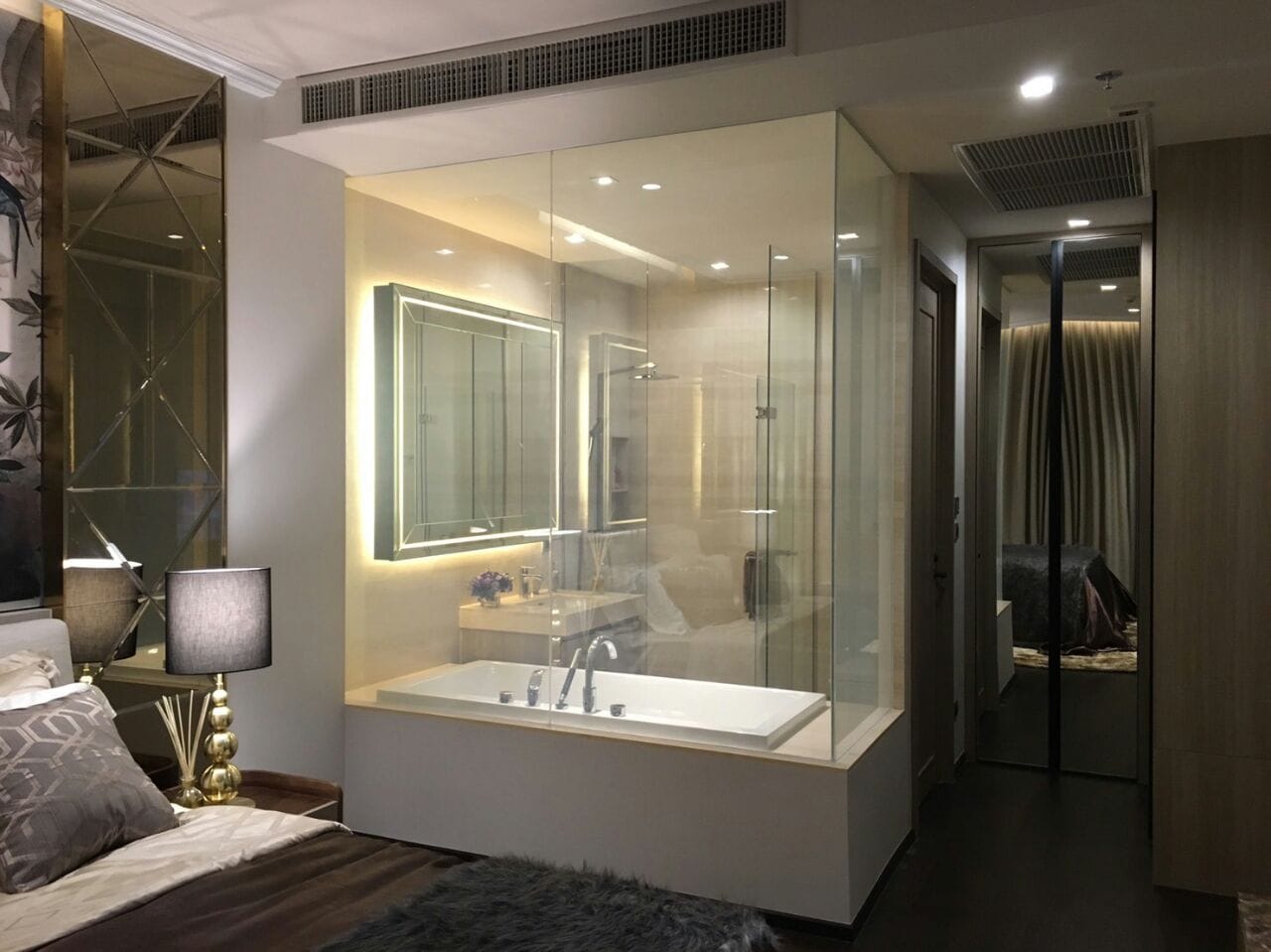
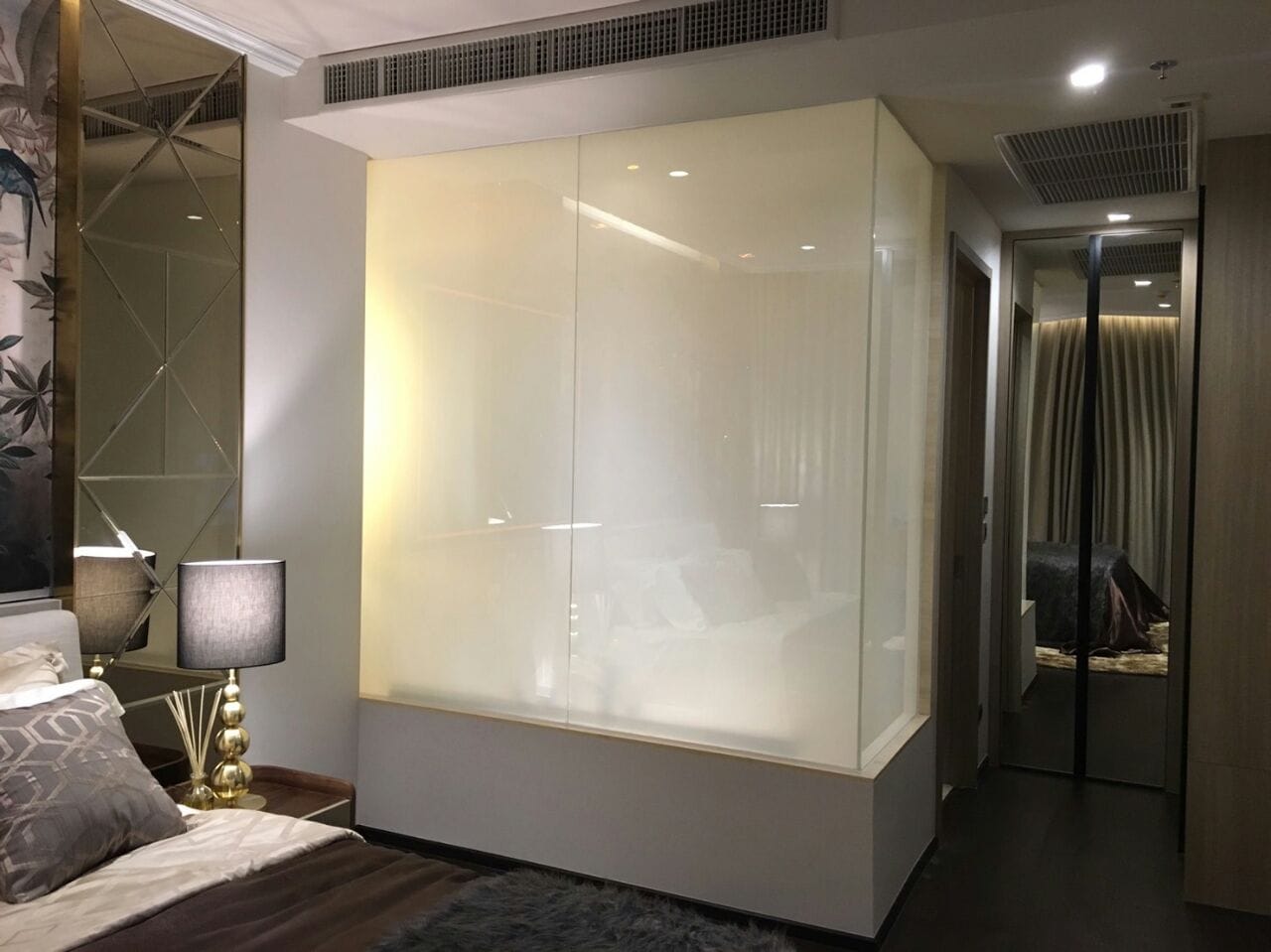
Privacy glass works on the principle of light control, allowing you to switch between transparent and opaque states as desired. It utilises technologies like liquid crystal, suspended particle, or micro-blind systems. These technologies give you the flexibility to adjust privacy levels at your convenience while maintaining the overall aesthetic appeal of the glass.
Benefits of Privacy Glass
Privacy glass offers several advantages over traditional glass options. It provides privacy on demand, allowing you to control the transparency of the glass surface. This feature is particularly beneficial for areas that require varying levels of privacy, such as conference rooms, bathrooms, and bedrooms. Privacy glass also reduces glare and blocks harmful UV rays, enhancing comfort and protecting interior furnishings.
Common Types of Privacy Glass
There are different types of privacy glass available in the market, each with its unique features and functionalities. Some common types include:
Switchable Privacy Glass: Utilises electric currents to change the glass from transparent to opaque.
Smart Tint Privacy Film: Adheres to existing glass surfaces and can be controlled using a remote or switch.
Patterned Privacy Glass: Incorporates decorative patterns that obscure vision while allowing light to pass through.
Frosted or Etched Glass: Treated with acid or sandblasting techniques to create a frosted appearance that provides privacy.
Cleaning and Maintenance of Privacy Glass
Proper cleaning and maintenance are essential to preserve the clarity and functionality of privacy glass. Follow these tips for effective privacy glass maintenance:
General Cleaning Tips
Begin by removing any dust or loose dirt using a soft, lint-free cloth or a microfiber duster.
Use a mild, non-abrasive glass cleaner or a mixture of mild dish soap and water to clean the glass surface.
Gently wipe the glass in a circular motion, ensuring all areas are covered.
Avoid using harsh chemicals, ammonia-based cleaners, or abrasive materials, as they can damage the glass or its coating.
Removing Fingerprints and Smudges
Mix equal parts of vinegar and water in a spray bottle.
Spray the solution onto a soft cloth or paper towel.
Gently wipe the glass surface to remove fingerprints and smudges.
For stubborn stains, repeat the process or use a specialised glass cleaner.
Dealing with Stubborn Stains
Create a paste by mixing baking soda with a small amount of water.
Apply the paste to the stained area and gently rub with a soft cloth.
Rinse thoroughly with water and dry with a clean cloth.
If the stain persists, consult a professional glass cleaner for assistance.
Preventing Scratches and Damage
Avoid using abrasive materials, such as scrub brushes or steel wool, which can scratch the glass surface.
Regularly inspect the glass for any signs of damage or cracks and seek professional repair if needed.
Use caution when operating privacy glass mechanisms to prevent excessive force or mishandling.
Professional Maintenance and Repair
While regular cleaning can effectively maintain privacy glass, there are instances when professional maintenance or repair is necessary. Consider the following:
Hiring a Glass Cleaning Service
For larger or hard-to-reach privacy glass installations, consider hiring a professional glass cleaning service. They have the necessary tools, expertise, and cleaning solutions to ensure thorough and safe cleaning. Professional services can also identify potential issues and provide recommendations for repairs or replacements if needed.
Repairing Damaged Privacy Glass
If privacy glass is chipped, cracked, or damaged, it is crucial to seek professional repair. Attempting DIY repairs may worsen the damage or compromise the glass’s integrity. Contact a reputable glass repair specialist who can assess the damage and provide appropriate solutions.
Increasing Privacy Glass Lifespan
By following these tips, you can extend the lifespan of your privacy glass and maximise its performance:
Avoiding Harsh Cleaners and Abrasives
Steer clear of harsh chemicals, abrasive cleaners, or scrub brushes that can damage the glass surface.
Opt for gentle, non-abrasive cleaners and soft cloths or microfiber towels.
Regular Inspection and Maintenance
Periodically inspect the glass for any signs of wear, damage, or malfunctioning mechanisms.
Clean the glass regularly and address any issues promptly to prevent further damage.
Applying Protective Coatings
Consider applying a protective coating to the privacy glass surface. These coatings can provide additional resistance to scratches, stains, and UV damage.
Conclusion
Proper maintenance is crucial for privacy glass to retain its aesthetic appeal and functionality. Regular cleaning, the use of appropriate cleaning solutions, and prompt repairs can ensure privacy glass remains in optimal condition for years to come. By following the tips and tricks outlined in this blog, you can enjoy the benefits of privacy glass while maintaining its longevity and performance.
Who We Are
Tecdur is the leading manufacturer of smart glass for the UK and Ireland. Tecdur Switchable Glass provides the best clarity, lowest power consumption and lowest haze currently available. We can offer a wide range of specifications to meet project requirements with our switchable glass, cost is dependent on specification, application and design. Please get in contact with us to discuss further.
Please visit our portfolio for a look at completed projects. Keep up to date on our LinkedIn Showcase page
Frequently asked Questions
How does our privacy glass work?
Our privacy glass works by utilising advanced PDLC (Polymer Dispersed Liquid Crystal) film. When an electrical current is applied, the liquid crystal molecules align, allowing light to pass through, making the glass transparent. When the current is switched off, the molecules mis-align, causing the glass to turn opaque or translucent, providing privacy.
Can I use regular glass cleaners on privacy glass?
It is best to use mild, non-abrasive glass cleaners specifically formulated for privacy glass to avoid damaging its coatings.
How often should I clean privacy glass?
Regular cleaning is recommended, at least once every few weeks, or more frequently in high-traffic areas.
Can I repair small chips or cracks in privacy glass myself?
It is advisable to seek professional repair services for any damage to privacy glass to ensure proper restoration and safety.
Can privacy glass be installed in existing windows?
Yes, privacy glass can be retrofitted onto existing windows using various solutions such as films or switchable glass technology.
Are there any privacy glass maintenance tips for outdoor applications?
Outdoor privacy glass should be regularly cleaned to remove dirt and debris. Applying a protective coating can help resist environmental damage.
Written by
Tecdur technical team
Hamilton Erskine Ltd
Hamilton Erskine has made Tecdur glass to order in Ballygowan since 2003. Our rated products are tested at accredited external laboratories.
In modern healthcare facility design, infection prevention and control (IPC) is the cornerstone of patient safety. Across the UK, Ireland, and global healthcare markets, NHS trusts and private hospital networks face continuous pressure to eradicate Healthcare-Associated Infections (HAIs). From isolation wards and operating theatres to intensive care units, every building material specified by healthcare architects […]
Mitigating ICU Delirium: Balancing Natural Light Exposure and On-Demand Privacy in Critical Care Design In high-acuity healthcare environments, intensive care units (ICUs) represent the delicate intersection between advanced life-support technology and fundamental human physiology. For healthcare architects, clinical leads, and NHS estate directors across the UK, Ireland, and international markets, designing a critical care ward […]
Designing Mental Health Environments: Specifying Anti-Ligature, High-Impact Switchable Glass for Secure Units Designing secure mental health facilities, psychiatric wards, and behavioral health units requires a delicate balance between human-centered healing and rigorous physical safety. For healthcare architects, estate managers, and public sector procurement teams across the UK, Ireland, and global markets, every fixture and surface […]
When designing modern healthcare facilities across the UK, Ireland, and global markets, balancing patient privacy with clinical observation is one of the toughest challenges project architects face. Walk into a traditional hospital ward or outpatient consultation room, and you will almost certainly find fabric cubicle curtains. For decades, these pull-around drapes served as the default […]
When designing or refurbishing a healthcare facility, the glazing specification rarely makes the front page of the project brief. But it probably should. The materials you choose to separate spaces, protect patients, and define clinical zones have a direct bearing on hygiene standards, staff efficiency, patient experience, and regulatory compliance. Tecdur’s privacy glass solutions sit […]
If you’re specifying for a hospital, clinic or private healthcare site, privacy glass is not just a design choice. It is a practical cost decision, especially when you compare Tecdur privacy glass with the ongoing nuisance of curtains, blinds and ad hoc privacy fixes. Healthcare teams need more than a way to hide a room. […]
Specifying glazing for a healthcare building is not a single decision. It is a series of decisions, made room by room, department by department, each shaped by a different set of clinical, regulatory, and security requirements. Privacy glass sits at the centre of most of them. The challenge for architects and estates decision-makers is that […]
When architects and estates teams specify glazing for healthcare buildings, the conversation usually starts with safety and compliance. But there is one element that keeps rising to the top of the agenda: patient privacy. Privacy glass has moved from a premium add-on to a fundamental design consideration in NHS trusts, private hospitals, mental health facilities, […]
The modern urban skyline is defined by towering glass structures. While these expansive architectural glazing envelopes create iconic city profiles and fill corporate offices with natural daylight, they present a massive environmental challenge. In a typical high-rise, standard external glazing behaves like a greenhouse, trapping immense amounts of solar radiation. This phenomenon—known as solar heat […]
The high street is undergoing a profound digital renaissance. For high-end luxury brands, automotive showrooms, and flagship retail hubs across the UK, Ireland, and global markets, a shopfront is no longer just a physical boundary—it is a brand’s primary storyteller. Traditional static window displays are rapidly giving way to dynamic, interactive environments designed to capture […]
When managing the capital expenditure of a multi-million-pound commercial or government development, value engineering is always top of mind. For tier-1 contractors, quantity surveyors, and large-scale project architects across the UK, Ireland, and global markets, the interior fit-out phase is frequently where budgets face the greatest pressure. In an effort to keep upfront costs down, […]
For architects managing large-scale commercial fit-outs and public sector infrastructure, the material selection process is a balancing act between design vision and long-term durability. In high-traffic environments—such as airport lounges, busy corporate lobbies, and expansive municipal hubs—every specified material must withstand relentless daily wear. When it comes to internal glazing, standard glass partitions often fail […]