



Introduction
In the fast-evolving landscape of banking and finance, confidentiality and data security stand as paramount concerns. The need to protect sensitive information within financial institutions has spurred innovative solutions, one of which is Privacy Glass Technology. This cutting-edge advancement not only enhances privacy but also adds a layer of sophistication to architectural designs tailored for the financial sector.

Understanding Privacy Glass Technology
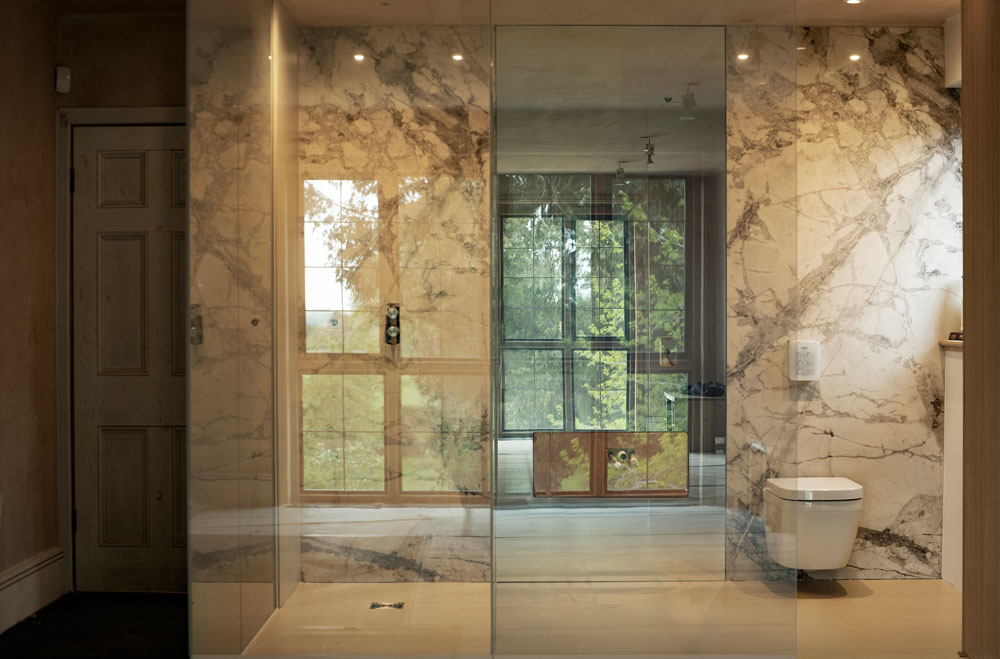
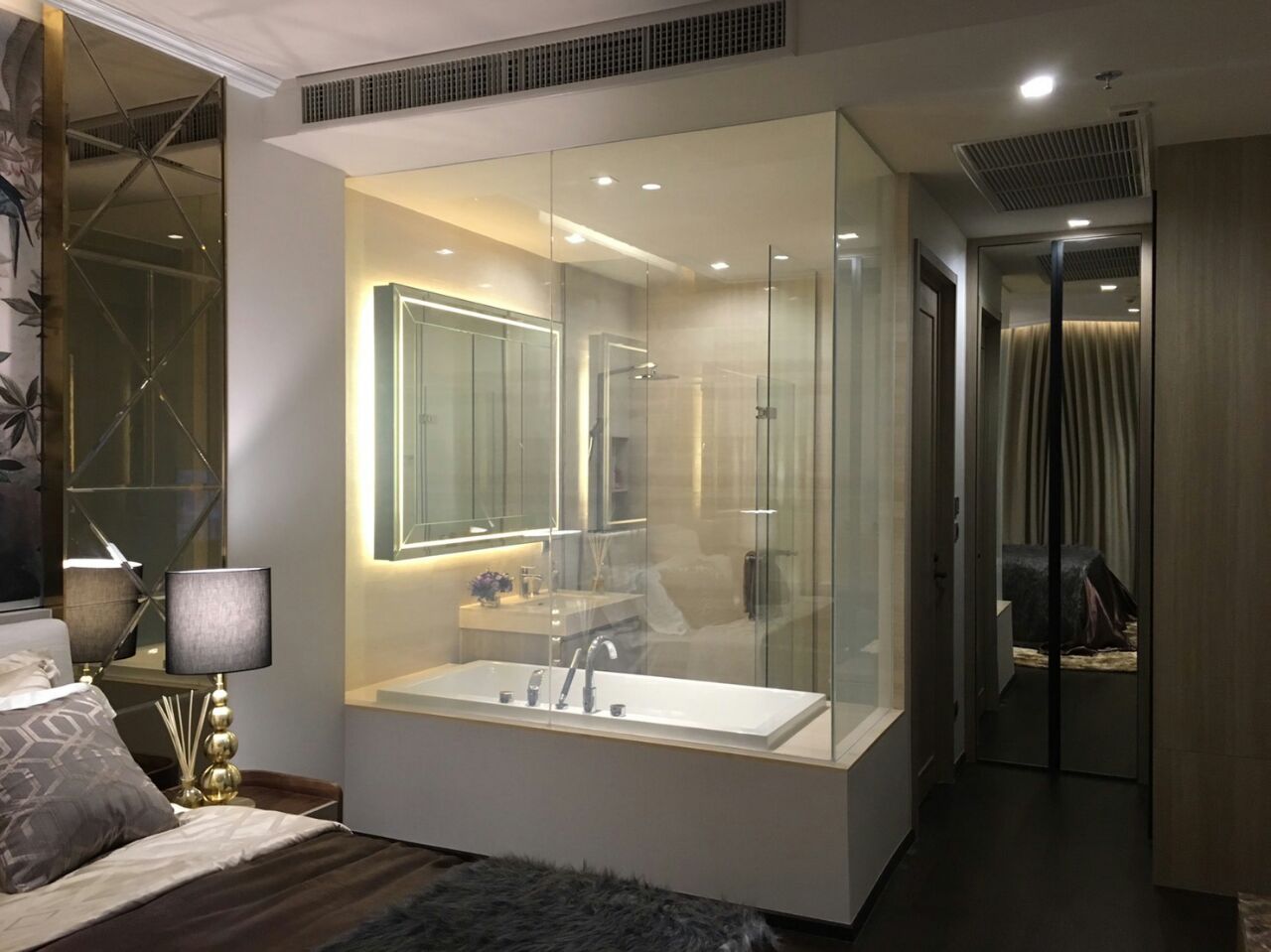
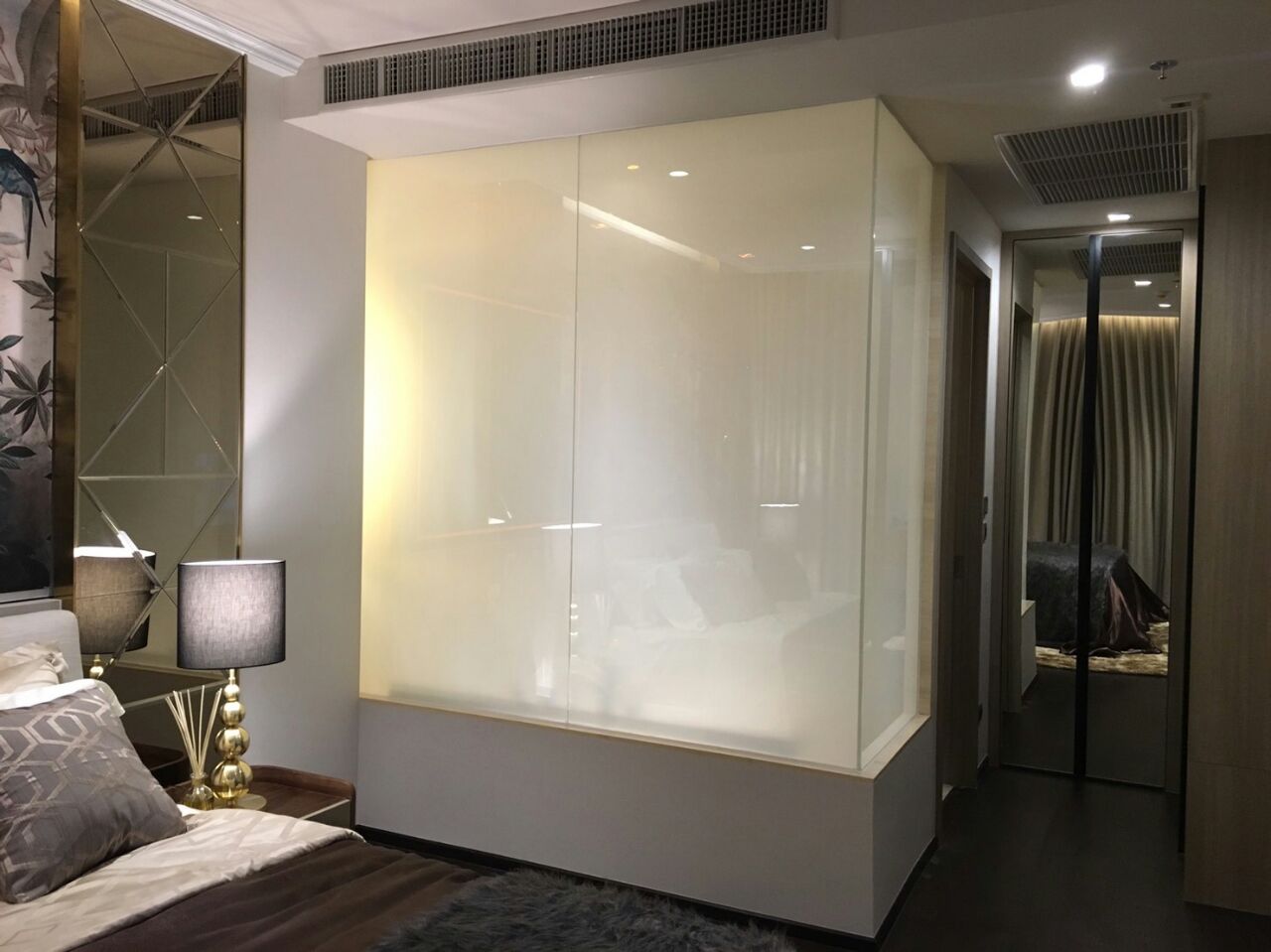
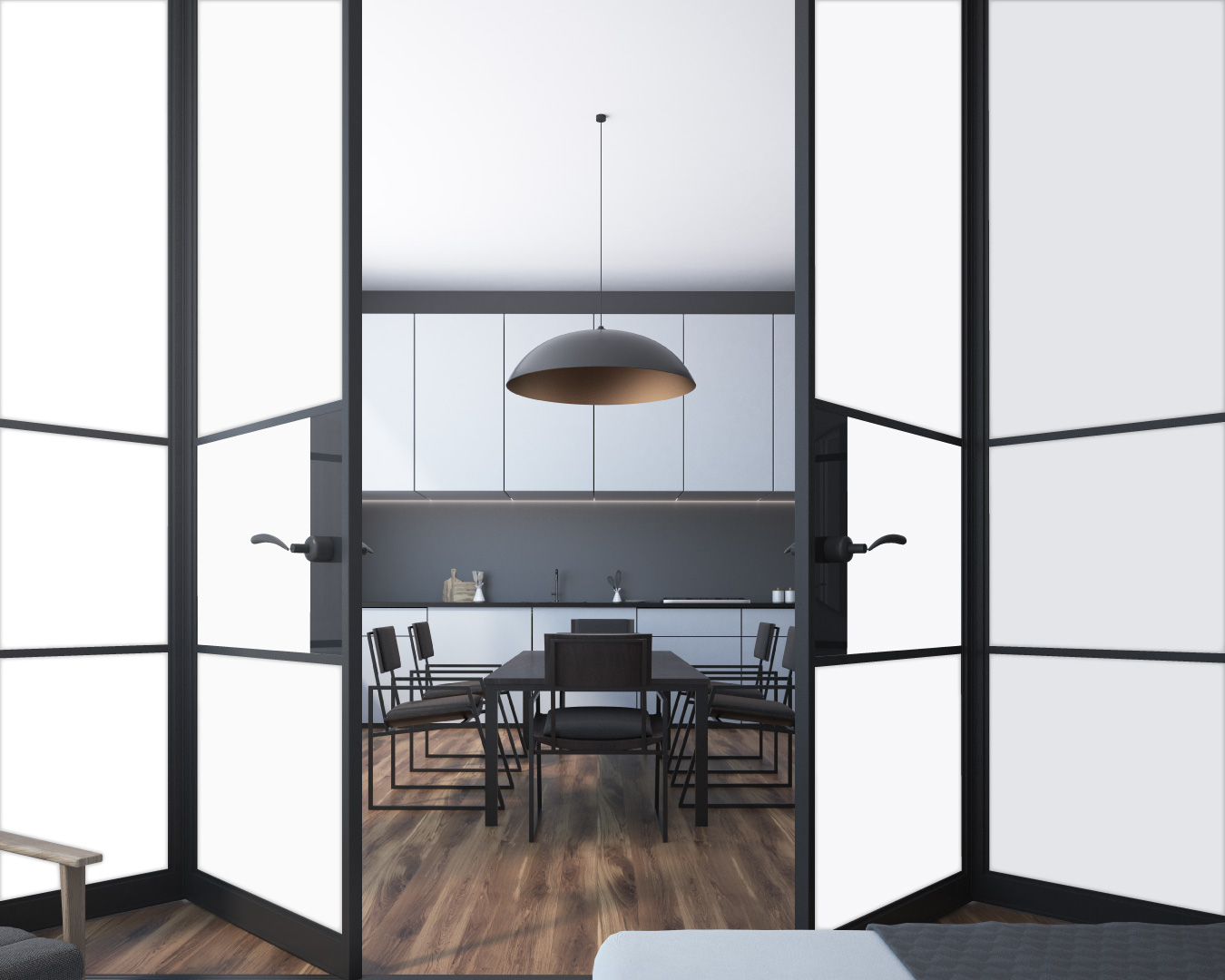
Privacy Glass, also known as switchable glass or smart glass, operates on a simple yet ingenious principle. It utilizes an electrical current to alter the transparency of glass panels, transitioning them from clear to opaque and vice versa at the flick of a switch. This transformative capability offers instant privacy on demand, shielding confidential meetings, sensitive transactions, and crucial data from prying eyes.
Applications in Financial Institutions
Within the banking and financial sector, Privacy Glass finds versatile applications:
- Meeting Rooms and Boardrooms: Ensure confidentiality during high-level discussions and meetings.
- Executive Offices: Protect sensitive client information and strategic plans from unauthorised access.
- Branch Offices: Enhance customer privacy during transactions and consultations.
- Security Features: Integrate with existing security systems for added protection against visual eavesdropping and surveillance.
Benefits of Privacy Glass
Implementing Privacy Glass Technology offers numerous advantages:
- Enhanced Confidentiality: Maintain discretion and confidentiality during sensitive interactions.
- Flexibility: Switch between transparency and opacity as needed, adapting to different operational requirements throughout the day.
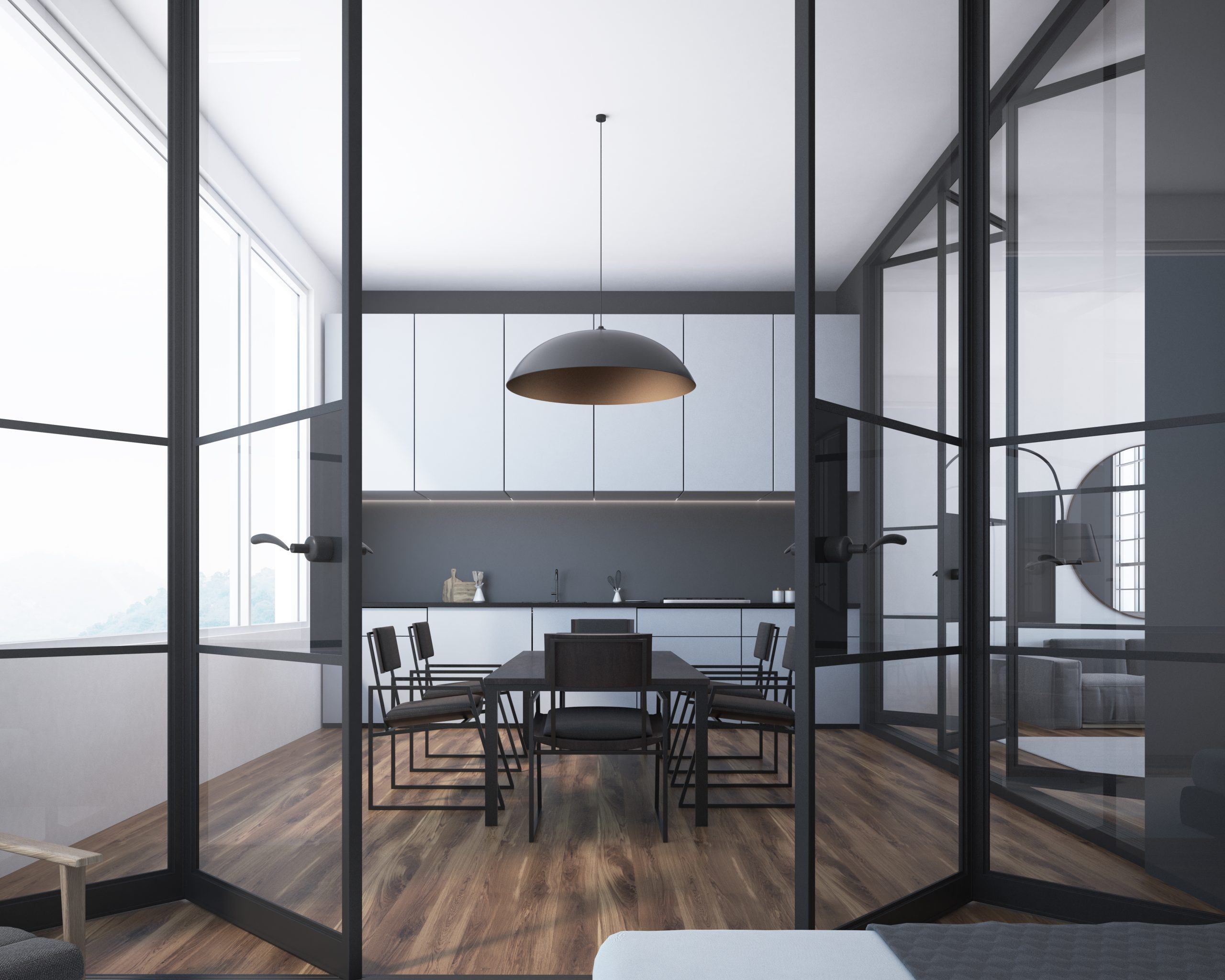
- Aesthetic Appeal: Modernise office spaces with sleek, contemporary design elements that reflect professionalism and innovation.
- Energy Efficiency: Some Privacy Glass solutions contribute to energy savings by reducing the need for artificial lighting.
Integrating Privacy Glass into Architectural Design
Architects and building planners play a pivotal role in integrating Privacy Glass seamlessly into the design of financial institutions. By collaborating with experts in smart glass technology, they ensure that these solutions meet both functional and aesthetic requirements while adhering to regulatory standards and client preferences.
Conclusion
Privacy Glass Technology represents a transformative leap forward in safeguarding sensitive information within the financial sector. Its ability to combine functionality with elegance makes it an indispensable asset for banks, investment firms, and financial institutions committed to protecting client confidentiality and upholding regulatory standards.
Who We Are
Tecdur is the leading manufacturer of smart glass for the UK and Ireland. Tecdur Switchable Glass provides the best clarity, lowest power consumption and lowest haze currently available. We can offer a wide range of specifications to meet project requirements with our switchable glass, cost is dependent on specification, application and design. Please get in contact with us to discuss further.
Please visit our portfolio for a look at completed projects. Keep up to date on our LinkedIn Showcase page


Frequently asked Questions

Our privacy glass works by utilising advanced PDLC (Polymer Dispersed Liquid Crystal) film. When an electrical current is applied, the liquid crystal molecules align, allowing light to pass through, making the glass transparent. When the current is switched off, the molecules mis-align, causing the glass to turn opaque or translucent, providing privacy.
Yes, Privacy Glass is designed to provide visual privacy, blocking the view from outside and ensuring confidentiality indoors.
Yes, Privacy Glass can be seamlessly integrated with access control and security systems to enhance overall building security.
Generally, Privacy Glass requires minimal maintenance beyond regular cleaning with non-abrasive materials.
Some Privacy Glass technologies contribute to energy efficiency by reducing the need for artificial lighting and improving insulation properties.