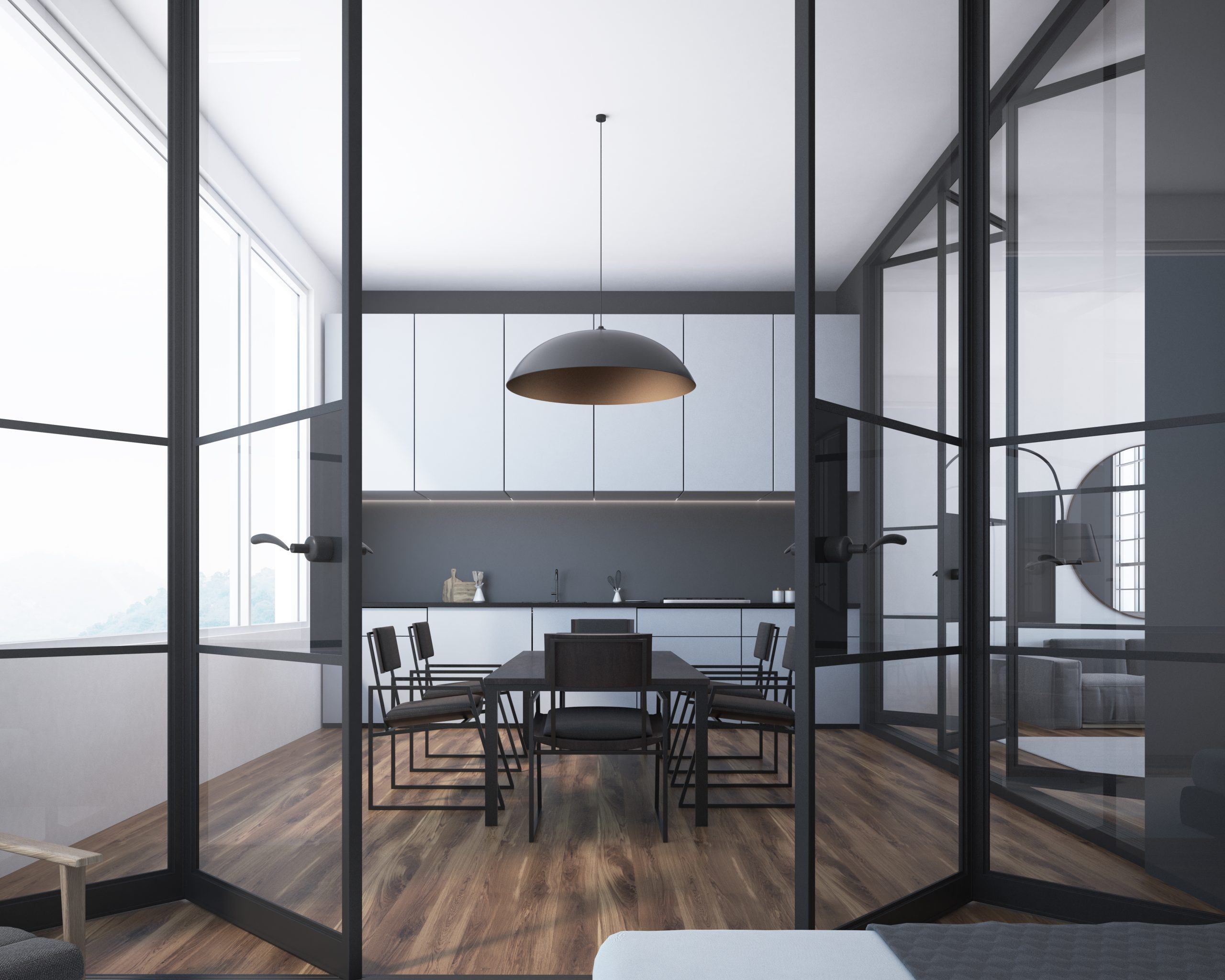



Switchable privacy glass, also known as smart glass or dynamic glass, is an advanced technology that allows glass to switch between opaque and transparent states. It’s revolutionizing industries like office design, hospitality, healthcare, and residential development by offering flexible privacy solutions while maintaining a sleek, modern aesthetic.
Why is Privacy Glass Relevant to Modern Businesses?
In a world where privacy, energy efficiency, and smart technology are increasingly critical, switchable privacy glass offers a compelling solution. Its adaptability makes it a game-changer for businesses looking to optimize space, enhance security, and integrate seamlessly into modern smart building systems.
Overview of What the Guide Covers: This guide will cover everything businesses need to know about switchable privacy glass, from how it works and its benefits to installation, cost considerations, and future trends.
How Switchable Privacy Glass Works
Technology Behind Switchable Glass (Electrochromic, SPD, PDLC)
Switchable privacy glass relies on advanced technologies such as Polymer Dispersed Liquid Crystal (PDLC), Suspended Particle Devices (SPD), and electrochromic systems. Each of these methods controls light transmission in unique ways, providing varying levels of opacity and transparency.
Comparison with Traditional Glass and Window Treatments
Unlike traditional blinds or curtains, switchable privacy glass offers uninterrupted views while still providing privacy. It is more efficient, hygienic, and easier to maintain than physical coverings.
Understanding the Switching Mechanism (Opaque vs. Transparent)
The core mechanism in switchable privacy glass involves an electrical current that controls the opacity of the glass. In its opaque state, the glass blocks visibility while still allowing light to pass through, creating both privacy and openness.
Key Benefits for Businesses
- Enhanced Privacy and Security: Switchable privacy glass provides instant privacy at the flip of a switch, making it ideal for conference rooms, medical facilities, and high-security environments.
- Energy Efficiency and Sustainability: By controlling the amount of light and heat entering a building, switchable privacy glass helps reduce energy consumption, thereby contributing to sustainability goals.
Types of Switchable Privacy Glass
- Polymer Dispersed Liquid Crystal (PDLC) Glass: PDLC glass uses liquid crystals that align when an electrical current is applied, making the glass transparent. When the current is turned off, the crystals scatter light, creating an opaque effect.
- Suspended Particle Devices (SPD) Glass: SPD glass contains particles that align when electricity is applied, allowing light to pass through. It offers faster switching times and better control over light levels compared to other types.
Applications in Business Settings
strong>Office Spaces and Conference Rooms: Switchable privacy glass is particularly popular in modern office design, allowing for flexible use of meeting spaces while maintaining an open, collaborative environment.
Installation and Maintenance
Retrofitting vs. New Installations: Businesses have the option to retrofit existing glass structures with switchable film or install new switchable glass. Both options have their pros and cons, depending on budget and space constraints.
Cost Considerations
Initial Installation Costs: The upfront cost of switchable privacy glass can be significant, but it is important to consider the long-term benefits such as energy savings and reduced maintenance costs.
Regulatory and Legal Considerations
Building Codes and Compliance for Smart Glass: Before investing in switchable glass, businesses must ensure compliance with local building codes and fire safety regulations.
Future Trends and Innovations
Advancements in Switchable Glass Technology: Ongoing research is exploring the potential of AI-integrated switchable glass, which could automatically adjust transparency based on environmental factors.
Environmental Impact
Energy Savings and Carbon Footprint Reduction: Switchable glass reduces the need for artificial lighting and air conditioning, contributing to lower energy consumption and a reduced carbon footprint.
Practical Considerations for Businesses
Factors to Consider Before Investing in Privacy Glass: Businesses should consider factors like budget, installation complexity, and the specific needs of their environment when deciding whether to invest in switchable privacy glass.
Summary of Benefits
Switchable privacy glass offers a modern, sustainable, and versatile solution for businesses looking to enhance their spaces.