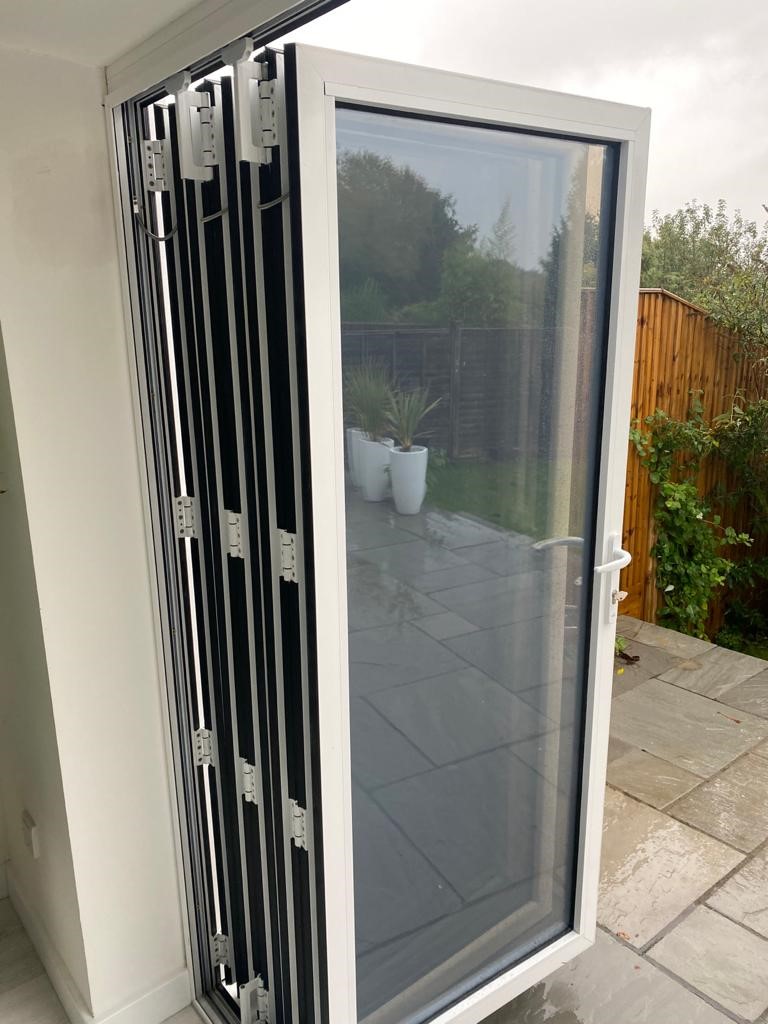



Switchable privacy glass is a technologically advanced glazing solution that can switch from transparent to opaque with the flick of a switch, remote control, or through a smart system. This innovative material is gaining popularity in various sectors, including architecture, healthcare, and even transportation.
Importance and Relevance in Modern Design
In an era where maximizing space, improving aesthetics, and enhancing energy efficiency are key, switchable privacy glass has emerged as a sought-after solution. It caters to the need for adaptable spaces, particularly in urban areas where privacy is often compromised. Whether for large office partitions, residential windows, or car windows, its versatility makes it highly relevant.
Overview of Pros and Cons: Throughout this article, we will explore the pros and cons of switchable privacy glass, how it functions, its applications, and the practicalities involved in its adoption.
How Switchable Privacy Glass Works
At its core, switchable privacy glass operates by using a combination of liquid crystals, polymers, or particles suspended within the glass. When an electric current is applied, these particles or crystals align to make the glass transparent. Once the current is switched off, they scatter, rendering the glass opaque.
Types of Switchable Privacy Glass There are several types of switchable privacy glass, the most common being:
- Polymer Dispersed Liquid Crystal (PDLC): These are used in both commercial and residential applications.
- Suspended Particle Devices (SPD): More expensive but faster in switching between modes.
- Electrochromic Glass: Gradually changes from clear to tinted, primarily used for light control.
Power Requirements and Control Mechanisms
Switchable privacy glass requires a constant electrical input to remain transparent. Control options range from manual switches to integration with smart home systems.
Advantages of Switchable Privacy Glass
- Enhanced Privacy: One of the primary advantages is its ability to provide instant privacy. In offices or healthcare settings, you can switch from transparent to opaque with ease, ensuring confidentiality when needed.
- Aesthetic Flexibility: Architects and designers appreciate the flexibility that switchable glass offers. It can seamlessly blend with modern designs, offering sleek and minimalist aesthetics while reducing the need for curtains or blinds.
- Energy Efficiency: Switchable glass can help with energy savings. In its opaque mode, it reduces the amount of sunlight entering the building, thus lowering cooling costs in the summer. Some types, like electrochromic glass, also reduce glare and UV radiation.
- Noise Reduction: The glass offers better acoustic insulation compared to traditional glazing. This feature is particularly useful in busy urban environments or in offices where sound privacy is important.
- UV Protection: Switchable privacy glass can block up to 99% of harmful UV rays, protecting interiors from sun damage and helping to maintain the comfort of occupants.
- Improved Security: The opaque setting adds a layer of security by preventing outsiders from viewing the interior of a space. This is a useful feature in both residential and commercial settings.
Disadvantages of Switchable Privacy Glass
- Cost: The most significant disadvantage is the cost. Switchable privacy glass is expensive compared to traditional glass or even standard energy-efficient windows. This can be a deterrent for many.
- Maintenance and Durability: While the glass itself is durable, the electronics involved can sometimes malfunction, requiring specialized maintenance, which adds to the overall cost of ownership.
- Power Dependency: Switchable privacy glass needs a constant electrical supply to remain transparent, and in the event of a power outage, the glass will default to opaque (or translucent, depending on the type).
- Limited Transparency Quality: Although advanced, the transparency in switchable glass isn’t always crystal clear. There’s a slight haze in most types, which may not meet everyone’s expectations, particularly in areas requiring clear visibility.
- Complexity in Installation: Installing switchable privacy glass is more complex than traditional glass installations. It often requires professional handling and integration into the building’s electrical system, which adds to the installation cost and complexity.
- Limited Customization Options: While switchable privacy glass offers flexibility in functionality, the options for customization in terms of colour or design are still limited.