



What Standards Apply to Anti-Vandal Glass? (EN 356 Explained)
Learn how anti-vandal glass is tested, what EN 356 means, and how security glazing performance is classified.
Anti-vandal glass is designed to resist deliberate damage, forced entry and heavy impact. To ensure consistent performance,
security glazing must be tested against recognised industry standards. One of the most widely used standards for anti-vandal
and security glass in Europe is EN 356.
EN 356 defines how glass is tested against manual attack and classifies its resistance level.
These classifications help architects, specifiers and security consultants choose the correct glazing
for buildings where protection against vandalism or intrusion is required.
As experienced security glass manufacturers in the UK, Tecdur designs and manufactures
Tecdur Secure Glass engineered to withstand severe levels of manual attack while meeting recognised testing standards.
What Is EN 356?
EN 356 is a European testing standard that measures the resistance of glass to manual attack.
The standard is often referred to as the anti-bandit glass classification and is used
to determine how well glazing can withstand impacts from tools or heavy objects.
The testing process simulates real-world attack scenarios to determine how difficult it would be
for someone to break through the glass and create an opening.
EN 356 Classification Levels
EN 356 classifies glass into two main categories depending on the type of testing used.
P1A – P5A (Ball Drop Test)
Lower classifications use a steel ball drop test to simulate heavy impacts.
The glass is repeatedly struck with a large steel ball dropped from a set height.
- P1A
- P2A
- P3A
- P4A
- P5A
Each level represents increasing resistance to impact.
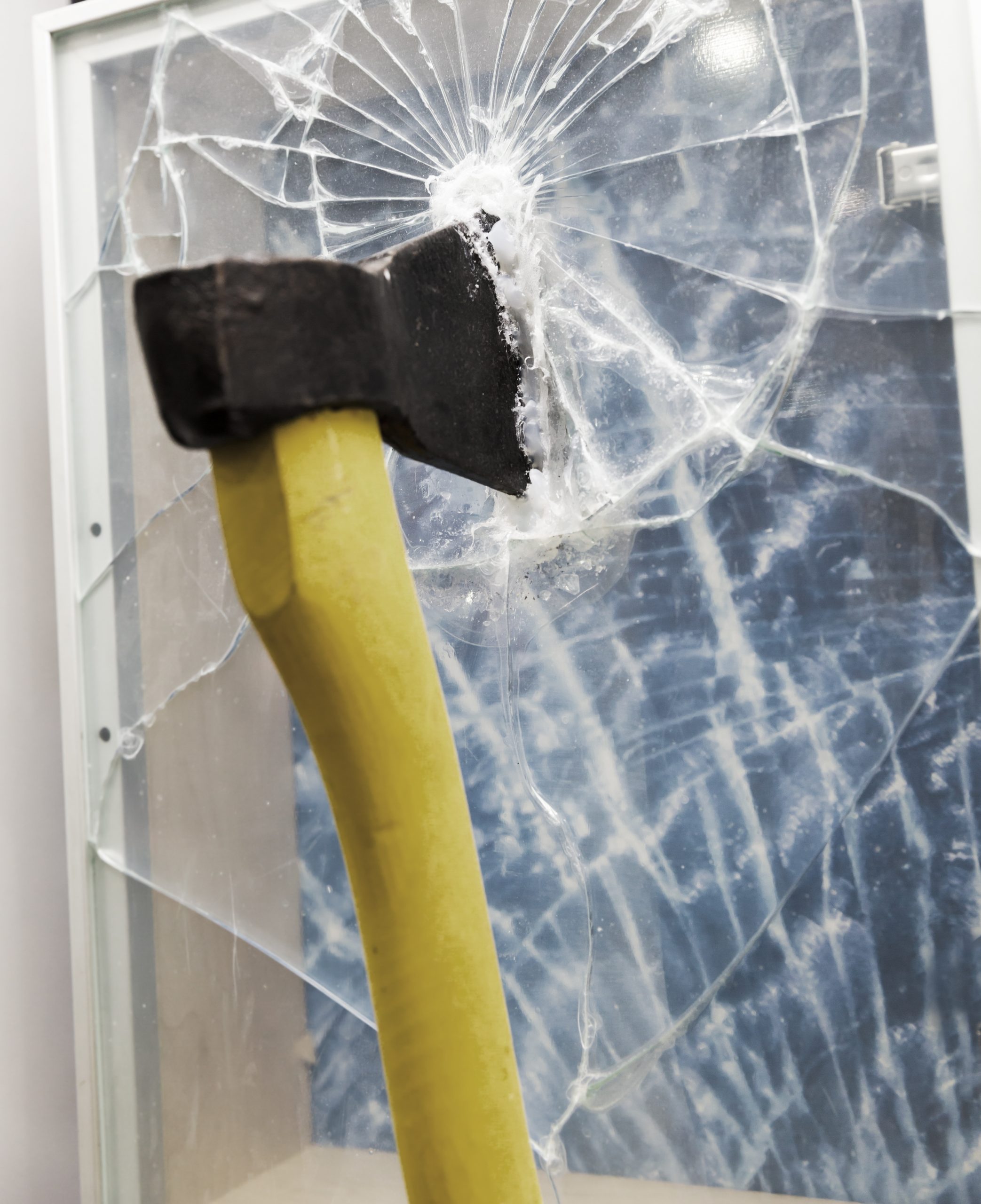
P6B – P8B (Axe Test)
Higher security classifications are tested using repeated strikes from an axe.
The test measures how many blows are required to create an opening large enough
to pass through the glazing.
- P6B – approximately 30–50 axe strikes
- P7B – approximately 51–70 axe strikes
- P8B – more than 70 axe strikes
Why EN 356 Matters
Security glazing standards provide confidence that glass will perform as expected when installed
in real buildings. Without standardised testing, it would be difficult to compare different glazing
products or verify their resistance to attack.
EN 356 classifications allow architects, security consultants and insurers to specify the correct
level of protection based on the risks associated with a particular building.
Other Security Glass Standards
In addition to EN 356, security glass may also be certified to other standards depending on the
application.
- LPS 1270 – realistic manual attack testing used by insurers and security professionals
- EN 1063 – ballistic resistance testing
- Blast resistance standards for high-risk environments
- Fire resistance certifications such as Exova and CertiFire
The appropriate standard depends on the type of threat the glazing needs to resist.
Secure Glass can be:

Enhance Security

Impact Resistant

Bullet Resistant

Blast Resistant

Fire Resistant

Acoustic
Why Choose Tecdur?
With over 15 years of industry experience and advanced in-house manufacturing capability,
Tecdur delivers high-performance security glazing designed to protect people and property.
Our technical team supports architects, contractors and specifiers in selecting the correct
glass performance level for each project.