


Learn how anti-bandit glass thickness varies depending on EN 356 ratings, performance requirements and security glazing specifications.
Anti-bandit glass thickness can vary significantly depending on the level of protection required.
There is no single standard thickness, as anti-bandit glass is designed as a performance-based product rather than a fixed specification.
In general, higher levels of security require thicker laminated glass constructions. However, thickness alone does not define performance.
The number of glass layers, the type of interlayer and the overall build-up are just as important.
As experienced security glass manufacturers in the UK, Tecdur designs and manufactures Tecdur Secure Glass —
a high-performance laminated glass range engineered to meet EN 356 and LPS 1270 standards and withstand severe levels of manual attack.
Why Thickness Matters
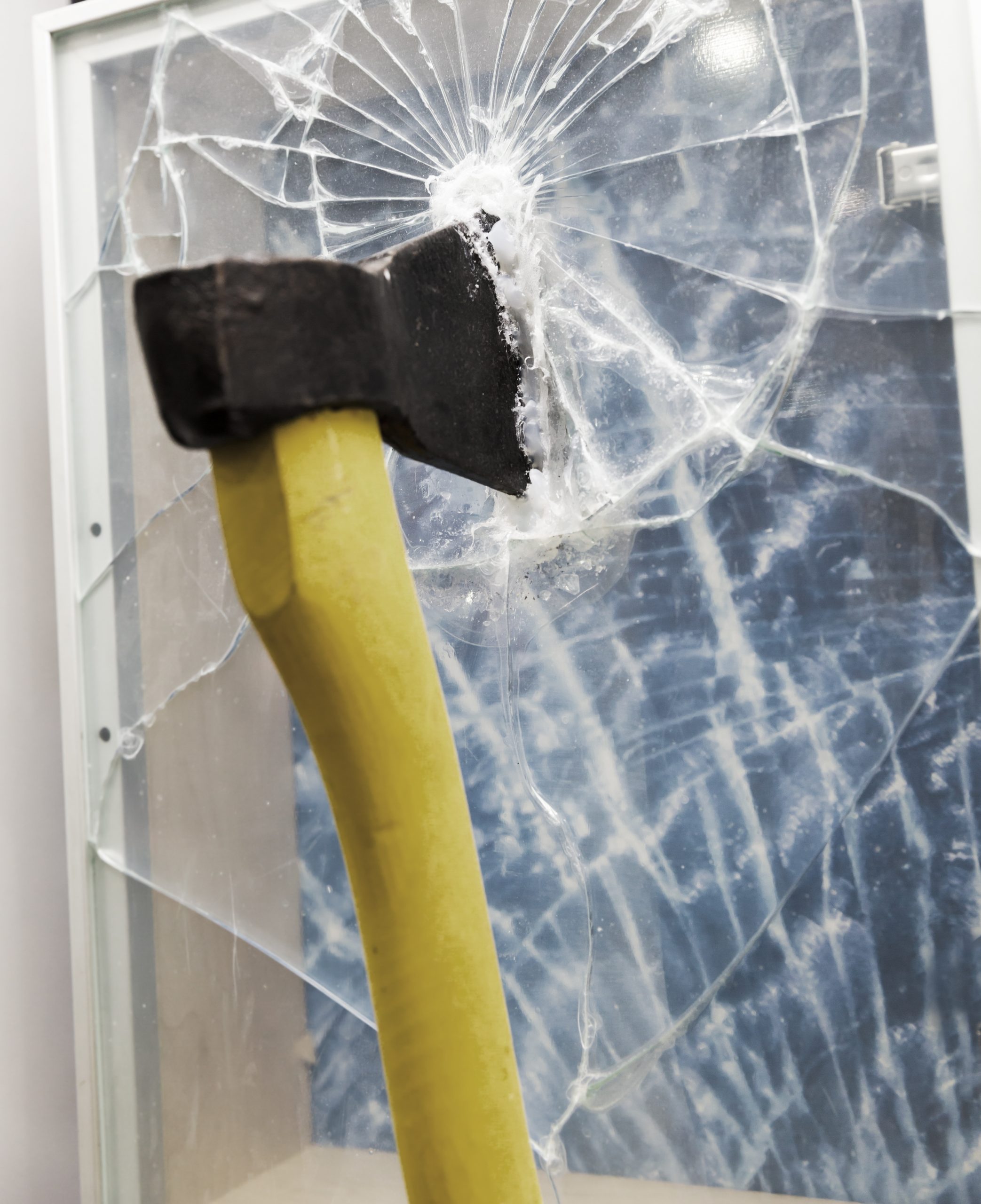
Anti-bandit glass is typically made using a laminated construction, where multiple sheets of glass are bonded together with strong interlayers.
This structure allows the glass to absorb impact energy and remain intact when struck.
As the thickness of the glass increases, its ability to resist repeated impacts and delay forced entry also improves.
This is why higher-rated security glass systems are usually thicker and heavier.
Thickness and EN 356 Ratings
Anti-bandit glass is commonly classified under EN 356, which defines its resistance to manual attack.
While the standard focuses on performance rather than thickness, higher classifications generally require more robust laminated build-ups.
- P1A – P5A – typically used for vandal resistance and lower impact protection
- P6B – P8B – designed for higher levels of security and sustained manual attack
As the classification increases, the glass construction becomes more complex, which often results in greater overall thickness.
What Affects Anti-Bandit Glass Thickness?
Several factors influence the final thickness of anti-bandit glass in a project:
- Required EN 356 or LPS 1270 classification
- Size and dimensions of the glass panel
- Type and number of interlayers used
- Additional performance requirements such as acoustic or fire resistance
- Frame design and installation method
Because of these variables, anti-bandit glass is always specified as a complete system rather than selecting thickness alone.
Is Thicker Always Better?
While thicker glass generally provides greater resistance to impact, it is not always the best solution.
Over-specifying thickness can increase weight, cost and installation complexity without delivering additional practical benefits.
The most effective approach is to select glass based on certified performance standards rather than simply choosing the thickest option available.
Why Performance Matters More Than Thickness
When specifying anti-bandit glass, the key consideration should always be the required level of protection.
Standards such as EN 356 and LPS 1270 provide clear performance benchmarks that ensure the glazing will perform under real-world conditions.
By focusing on tested performance rather than thickness alone, you can achieve the right balance between security, practicality and cost.
Secure Glass can be:

Enhance Security

Impact Resistant

Bullet Resistant

Blast Resistant

Fire Resistant

Acoustic
Why Choose Tecdur?
With over 15 years of industry experience and advanced in-house manufacturing capability, Tecdur provides certified, high-performance security glazing designed to protect people and property.
Our team works closely with architects, contractors and specifiers to ensure the correct anti-bandit glass specification is selected for each project.
Whether you require glazing for vandal resistance or high-security environments, Tecdur can help you specify the right tested solution.