



Discover the different types of anti-bandit glass and how each option provides protection against impact, vandalism and forced entry.
Anti-bandit glass is not a single product but a range of laminated security glazing systems designed to resist manual attack.
Different types of anti-bandit glass are engineered to meet specific performance levels, applications and security requirements.
These systems are typically classified under EN 356, with different ratings indicating how well the glass can withstand impact and repeated attack.
The type of glass selected will depend on the level of risk, building use and desired performance.
As experienced security glass manufacturers in the UK, Tecdur designs and manufactures Tecdur Secure Glass —
a high-performance laminated glass range engineered to withstand severe levels of manual attack while maintaining clarity and architectural integration.
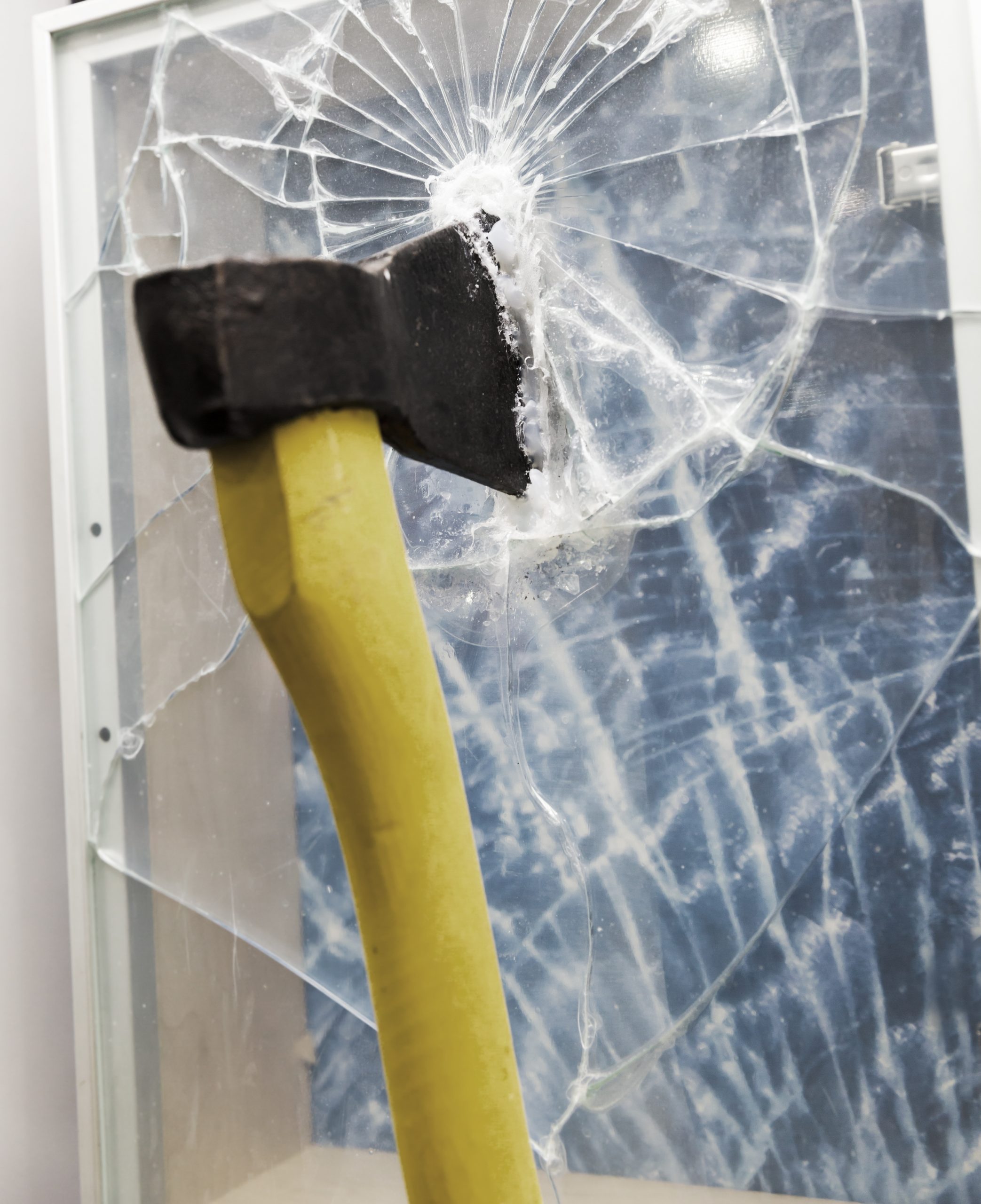
Laminated Anti-Bandit Glass
The most common type of anti-bandit glass is laminated glass. This consists of multiple layers of glass bonded together with strong interlayers.
The interlayer absorbs impact energy and prevents the glass from breaking apart when struck.
Laminated anti-bandit glass is widely used because it remains intact even after repeated impacts, making it highly effective at delaying forced entry.
EN 356 Rated Anti-Bandit Glass
Anti-bandit glass is commonly specified based on EN 356 classifications. These ratings define how resistant the glass is to impact and manual attack.
- P1A – P5A – designed for impact resistance and protection against vandalism
- P6B – P8B – designed to withstand sustained manual attack using tools
Higher classifications involve more complex laminated constructions and provide greater protection against forced entry.
Enhanced Anti-Bandit Glass Systems
In many projects, anti-bandit glass is combined with additional performance features to meet modern building requirements.
These enhanced systems allow security glazing to provide multiple benefits beyond impact resistance.
- Ballistic resistant glass (EN 1063)
- Blast resistant glazing systems
- Fire resistant glass (Exova, CertiFire)
- Acoustic laminated glass for sound reduction
- Switchable privacy glass technology
These solutions are often used in high-security or specialist environments where multiple performance requirements must be met within a single glazing system.
Choosing the Right Type of Anti-Bandit Glass
The correct type of anti-bandit glass depends on the specific risks associated with a project.
Lower-rated glass may be suitable for general vandal resistance, while higher-rated systems are required for environments facing greater security threats.
Factors to consider include:
- Level of threat or risk
- Type of building or environment
- Size and location of glazing
- Regulatory and insurance requirements
- Need for additional performance features
Working with experienced manufacturers ensures that the correct specification is selected to balance security, performance and cost.
Secure Glass can be:

Enhance Security

Impact Resistant

Bullet Resistant

Blast Resistant

Fire Resistant

Acoustic

Why Choose Tecdur?
With over 15 years of industry experience and advanced in-house manufacturing capability, Tecdur provides certified, high-performance security glazing designed to protect people and property.
Our team works closely with architects, contractors and specifiers to ensure the correct anti-bandit glass specification is selected for each project.
Whether you require impact-resistant glazing or enhanced security performance, Tecdur can help you specify the right tested solution.