


Discover where impact resistant glass is commonly used and why certified security glazing is specified in retail, commercial, healthcare and high-security environments.
Impact resistant glass is typically used in buildings where glazing needs to withstand damage, repeated impact, vandalism or attempted forced entry.
It is often specified in exposed, public-facing or high-risk locations where standard glass would not provide enough protection.
Because impact resistant glass is designed to remain in place after being struck, it can help protect people, property and high-value assets while still allowing visibility and natural light.
In many projects, it forms part of a wider security glazing specification.
As experienced security glass manufacturers in the UK, Tecdur designs and manufactures Tecdur Secure Glass —
a high-performance laminated glass range engineered to withstand severe levels of manual attack and certified to recognised standards including EN 356 and LPS 1270.
Retail Shopfronts and Display Windows
Retail is one of the most common applications for impact resistant glass.
Shopfronts, display windows and glazed entrances can be vulnerable to vandalism, smash-and-grab attacks and attempted break-ins.
Impact resistant glazing helps delay access by holding the damaged glass together after impact.
This makes it particularly useful for jewellery stores, showrooms, high-value retail units and commercial premises where products or equipment need additional protection.
Commercial Buildings and Office Entrances
Commercial buildings often use large areas of glass for entrances, reception spaces, internal partitions and external facades.
Where these areas are exposed to impact or security risk, impact resistant glass can provide a stronger and safer alternative to standard glazing.
It can be used to protect access points, reduce vulnerability at ground-floor glazing and provide reassurance in buildings where occupant safety and asset protection are priorities.
Security Doors, Screens and Partitions
Impact resistant glass is frequently used in security doors, glazed screens and internal partitions.
These applications allow visibility while still providing improved resistance against impact, damage or attempted access.
For these systems, the full glazing design matters.
The glass, frame, fixings and installation method must all be appropriate for the required level of performance.
Schools, Healthcare and Public Buildings
Impact resistant glass can be specified in schools, hospitals, healthcare buildings and public facilities where glazing may be exposed to accidental impact, vandalism or heavy daily use.
In these environments, glazing needs to support safety, durability and visibility.
Laminated impact resistant glass can help reduce the risk of glass falling away after breakage while maintaining a secure barrier.
Mental Health and Secure Care Environments
In mental health facilities and secure care environments, impact resistant glass may be needed to support occupant safety, staff protection and secure containment.
The correct specification can help reduce the risk of breakage while maintaining visibility between controlled spaces.
Higher-performance security glazing may be required where the risk of deliberate impact or manual attack is greater.
Police Custody Suites and Prisons
Impact resistant glass is commonly used in custodial and secure institutional settings where glazing may need to resist repeated damage or attempted attack.
These applications often require certified security glass rather than general-purpose laminated glass.
- Police custody suites
- Prisons and secure units
- Observation panels and screens
- Secure doors and controlled access points
- Staff protection screens
High Security Facilities
Impact resistant glass is also used in high security facilities where glazing must form part of a wider protective system.
This may include buildings that protect valuable assets, sensitive information or critical operations.
- Government buildings
- Financial institutions
- Data centres
- Research facilities
- Critical infrastructure sites
- VIP protection environments
Choosing the Right Impact Resistant Glass for the Application
The correct impact resistant glass specification depends on the risk level, building type and expected threat.
For lower-risk applications, impact resistant laminated glass may be suitable.
For higher-risk projects, certified EN 356 or LPS 1270 security glazing may be required.
- EN 356 P1A to P5A – commonly used for impact resistance and vandal protection
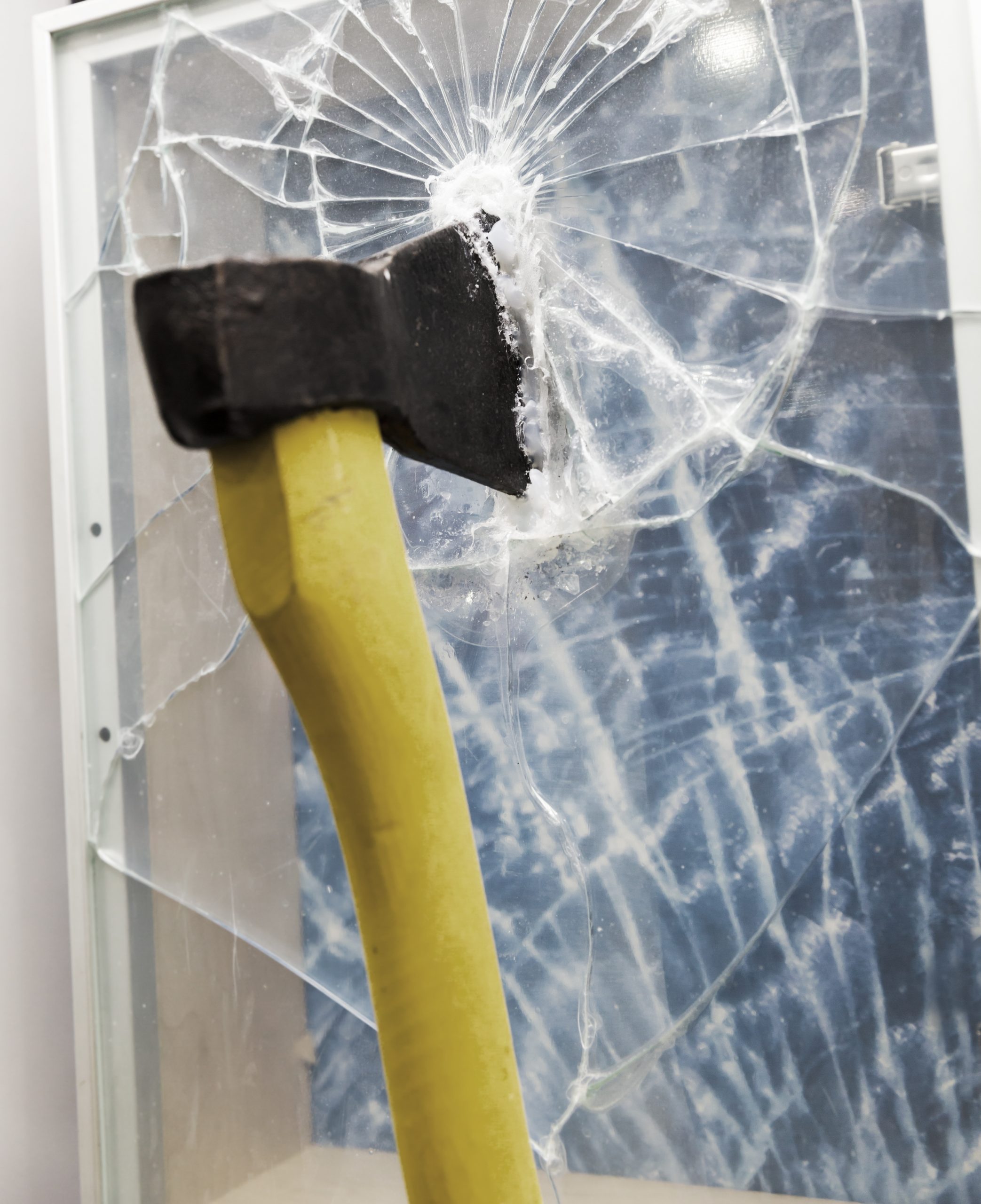
- EN 356 P6B to P8B – used where axe attack resistance and higher manual attack protection are required
- LPS 1270 – used for realistic manual attack resistance with defined tool sets and attack times
Working with an experienced manufacturer helps ensure the glass is selected based on tested performance, not just thickness or appearance.
Secure Glass can be:

Enhanced Security

Impact Resistant

Bullet Resistant

Blast Resistant

Fire Resistant

Acoustic
Why Choose Tecdur?
With over 15 years of industry experience and extensive in-house manufacturing capability, Tecdur provides certified, high-performance security glazing designed to protect people and property.
Our team works closely with architects, contractors and specifiers to ensure the correct impact resistant glass is selected for each application.
Whether your project involves retail security, commercial glazing, healthcare settings, custodial environments or high-security facilities, Tecdur can help specify the right tested glass system.