
Introduction
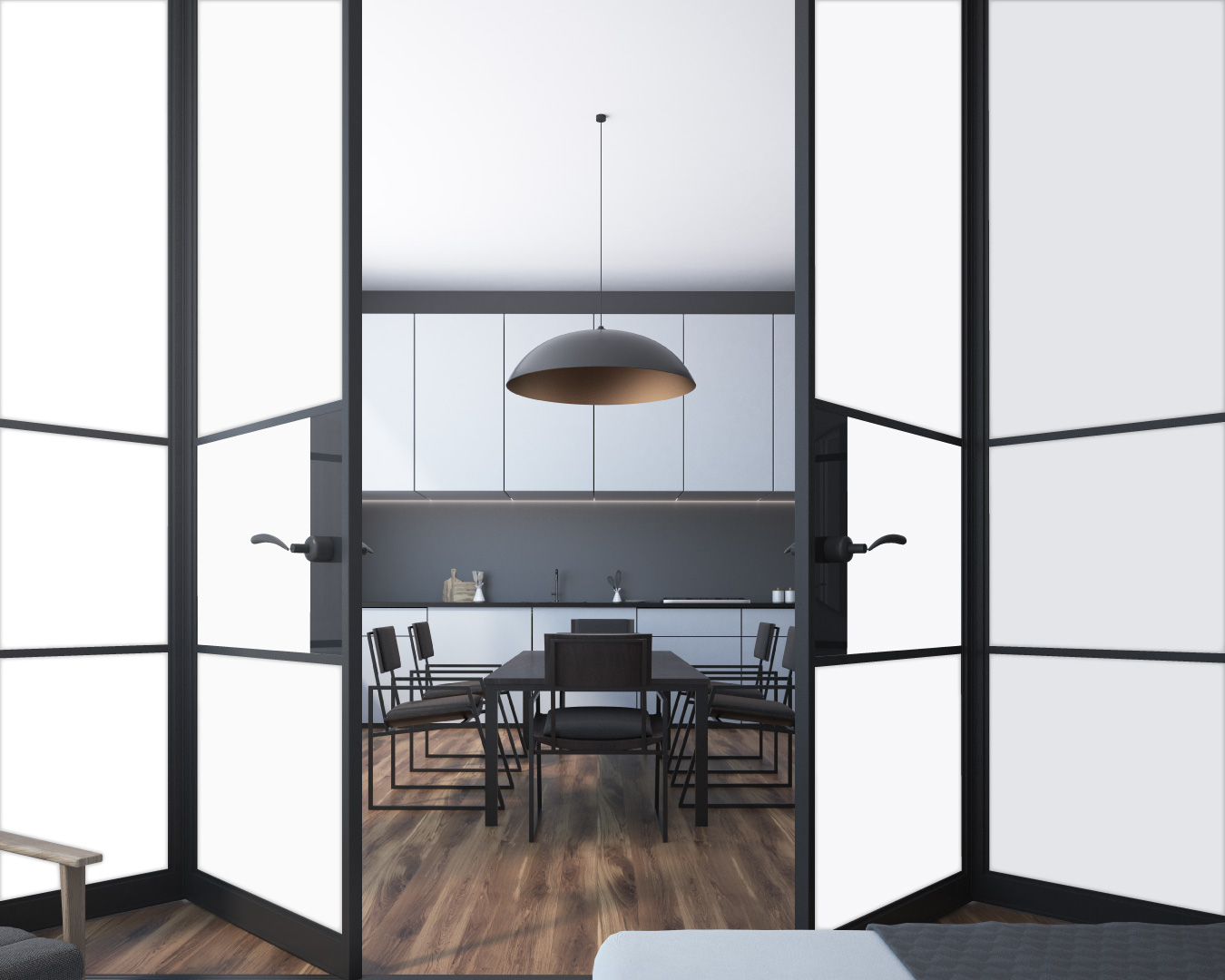
Privacy in healthcare settings, especially pharmacies, has become paramount. Patients expect confidentiality, and pharmacies are keen on creating a space that not only ensures privacy but also adds a touch of sophistication to the environment. Many are now looking to proven approaches such as privacy glass for enhanced patient privacy in pharmacies and broader medical environments. This blog delves into the integration of privacy glass in pharmacies, exploring its benefits, types, installation process, and much more, building on Tecdur’s wider work with secure, privacy-led medical interiors.

Benefits of Privacy Glass in Pharmacies
Enhanced Patient Confidentiality
Privacy glass serves as a barrier against prying eyes, safeguarding sensitive information and consultations. Patients feel more secure discussing their health concerns, leading to a better pharmacist-patient relationship. This mirrors wider healthcare applications where smart glass is used to protect confidentiality in dental offices and other clinical settings.
Improved Aesthetics and Ambiance
Privacy glass contributes to the overall ambiance of the pharmacy. It adds a modern touch, making the space more inviting for customers. The aesthetics of the pharmacy play a crucial role in attracting and retaining customers, and are often cited as a key benefit when medical practices assess whether privacy glass is worth the investment.
Compliance with Privacy Regulations
With increasing privacy regulations, pharmacies are under scrutiny to ensure compliance. Privacy glass acts as a proactive measure, meeting the regulatory standards and avoiding potential legal issues. It supports wider strategies for integrating privacy glass into secure medical environments where data protection and visual privacy are critical.
Types of Privacy Glass
The market offers various types of privacy glass, each with its unique features. Smart glass technology, electrochromic glass, and switchable glass options provide pharmacies with versatile choices to suit their specific needs. For a deeper technical overview, Tecdur’s guides on privacy glass technology and smart window technology are useful reference points.
- Smart Glass Technology
- Utilizes advanced technology to change transparency based on external conditions or user control, as seen in many smart window technology applications.
- Offers dynamic privacy settings, providing flexibility in managing visibility.
- Electrochromic Glass
- Employs a film or coating that changes its color and transparency in response to an applied voltage.
- Enables users to adjust the level of privacy, enhancing control over the glass’s visual properties.
- Switchable Glass Options
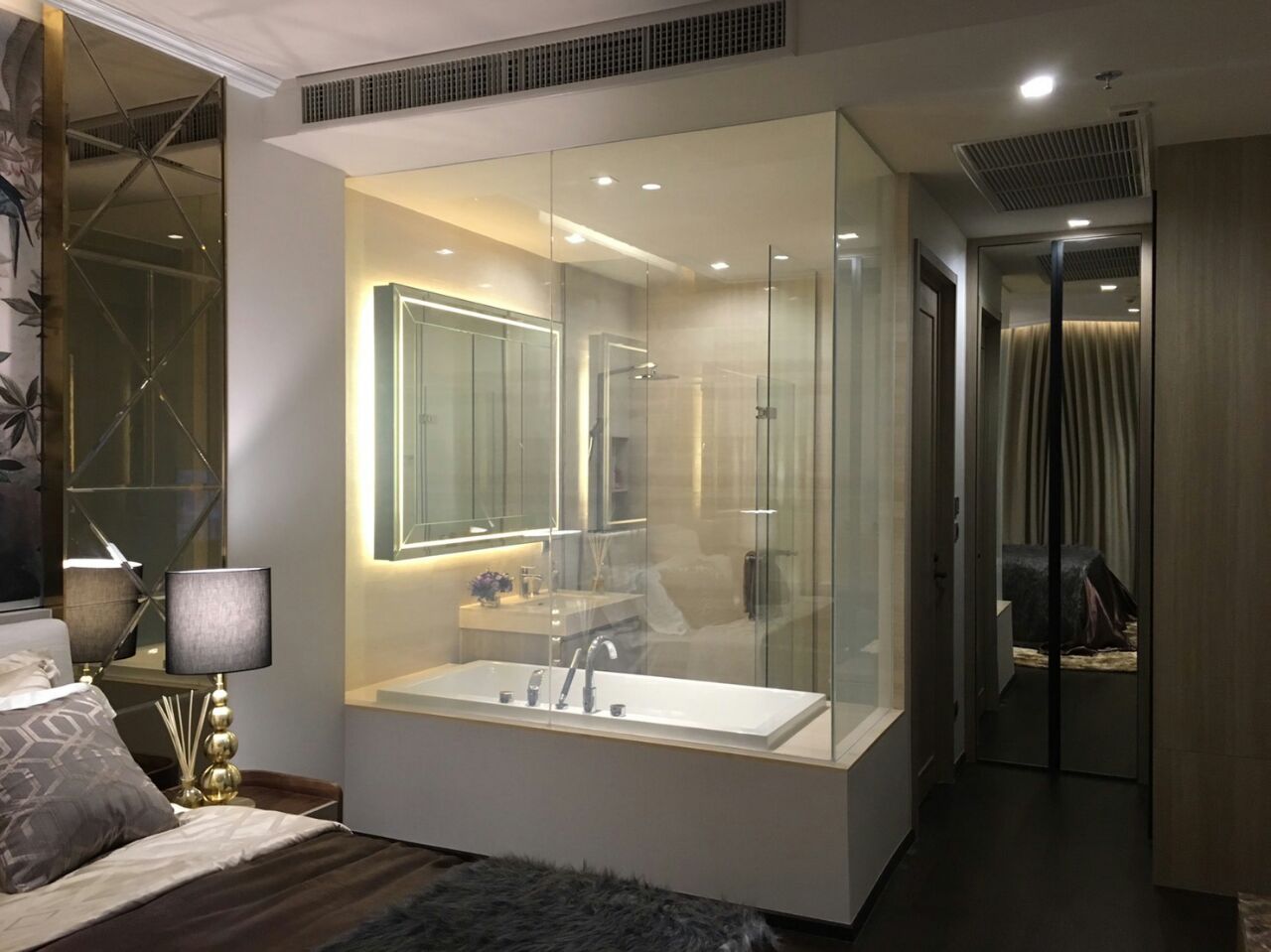
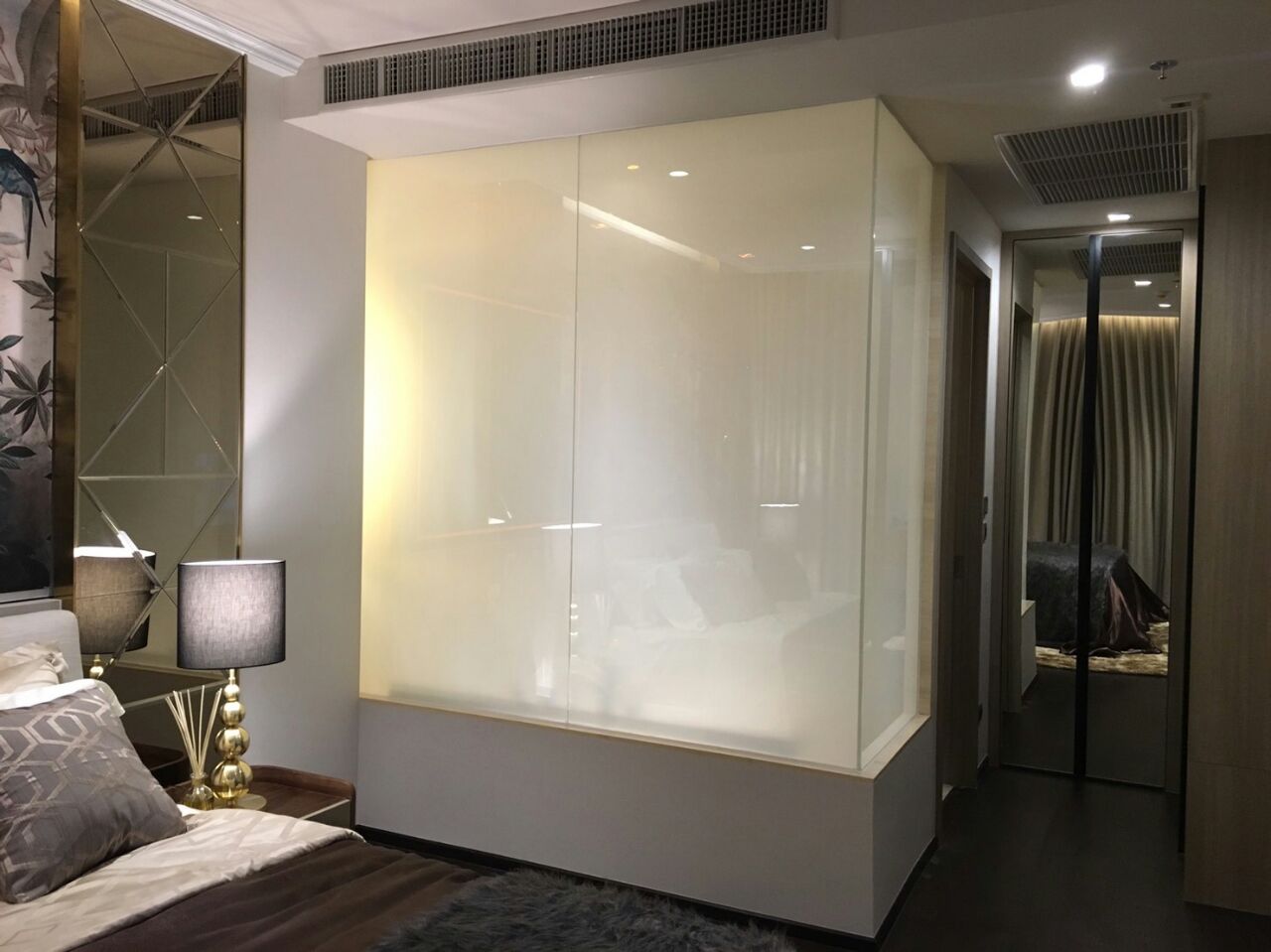
- Incorporates technology that allows users to switch between transparent and opaque states.
- Provides a versatile solution for maintaining privacy while allowing for customization based on specific needs.
These types of privacy glass offer pharmacies a range of choices to meet their unique requirements, combining functionality and aesthetics seamlessly, much like the solutions implemented in other privacy-focused medical environments.
How Privacy Glass Works
Understanding the technology behind privacy glass is essential. Most privacy glass operates on a switchable mechanism, allowing users to control the transparency of the glass. This dynamic feature provides flexibility in managing privacy levels within the pharmacy. This same principle underpins many healthcare installations where patient privacy in pharmacies and clinics must be maintained without blocking natural light.
Future Trends in Pharmacy Design
The landscape of pharmacy design is undergoing transformative changes, influenced by technological advancements, evolving healthcare practices, and shifting consumer expectations. As we look ahead, several trends are poised to shape the future of pharmacy design, creating spaces that prioritize efficiency, patient experience, and innovative solutions. Many of these ideas overlap with broader healthcare design thinking outlined in Tecdur’s work on integrating privacy glass in medical environments.
Integration of Technology
The future pharmacy will be a hub of technological integration. Automation, artificial intelligence, and robotics are set to streamline various processes, from prescription dispensing to inventory management. Interactive touchpoints and digital interfaces will enhance the overall customer experience, making it more convenient and personalized. Smart glazing and smart window technology will sit alongside these systems as part of connected, digital-first pharmacy design.
Patient-Centric Spaces
Pharmacies are increasingly recognizing the importance of creating patient-centric environments. Future designs will focus on providing comfortable waiting areas, private consultation spaces, and interactive educational zones. The aim is to foster a holistic approach to healthcare, ensuring that patients feel supported and informed during their pharmacy visits, mirroring approaches used in privacy-enhancing dental and clinical spaces.
Sustainable and Eco-Friendly Designs
Environmental consciousness is becoming a central theme in pharmacy design. Future trends involve the use of sustainable materials, energy-efficient lighting, and eco-friendly practices. Pharmacies are expected to align with broader environmental initiatives, reflecting a commitment to responsible and green business practices. Smart glazing, as discussed in Tecdur’s smart window technology overview, can also play a major role in reducing energy consumption.
Flexibility in Layouts
The traditional pharmacy layout is evolving towards flexibility and adaptability. Modular designs will allow pharmacies to reconfigure their spaces based on changing needs. This flexibility is particularly important for accommodating new services, expanding product offerings, and adjusting to advancements in healthcare practices.
Emphasis on Well-Being
Pharmacy designs of the future will prioritize the overall well-being of both customers and staff. Incorporating natural light, greenery, and ergonomic features will contribute to a positive and health-focused atmosphere. Design elements will be carefully curated to promote a sense of calm and wellness within the pharmacy space, echoing many of the benefits highlighted when considering privacy glass as an investment in medical practices.
Marketing the Privacy Advantage
In the dynamic landscape of pharmacy services, marketing the privacy advantage has emerged as a strategic imperative for pharmacies looking to differentiate themselves and attract a discerning clientele. The ability to guarantee patient confidentiality and create a secure healthcare environment is not just a regulatory necessity but also a potent marketing tool. Let’s delve into effective strategies for marketing the privacy advantage in pharmacies.
- Highlight Patient Confidentiality in Brand Messaging
Craft compelling brand messages that underscore the pharmacy’s commitment to patient confidentiality. Clearly communicate the steps taken to ensure privacy, from the use of cutting-edge privacy glass to secure consultation areas. Reinforce the message that the pharmacy is a trusted space where customers’ health information is treated with the utmost confidentiality, drawing on best practice seen in other privacy-led medical environments.
- Educational Content on Privacy Measures
Develop educational content that informs customers about the privacy measures in place. This could include blog posts, infographics, or short videos explaining the technology behind privacy glass and other privacy features. Directing patients to resources such as Tecdur’s privacy glass technology or pharmacy-focused privacy glass articles can help build understanding and trust. Empower customers with knowledge about how the pharmacy goes above and beyond to safeguard their sensitive health information.
- Engage in Community Outreach
Participate in community events or health fairs to showcase the pharmacy’s commitment to privacy. Set up interactive displays or demonstrations to explain the benefits of privacy glass and other security measures. Engaging directly with the community provides an opportunity to build trust and establish the pharmacy as a reliable and secure healthcare partner, in the same way that many clinics and practices demonstrate their investment in modern privacy solutions.
Conclusion
In conclusion, integrating privacy glass in pharmacies is a strategic move that goes beyond meeting regulatory requirements. It enhances patient experience, improves aesthetics, and sets the stage for the future of pharmacy design. Pharmacies considering this upgrade are encouraged to explore the options available and take a step towards a more private and customer-centric environment, using case studies and insights from wider healthcare applications such as pharmacy privacy projects and integrated medical environments as inspiration.
Who We Are
Tecdur is the leading manufacturer of smart glass for the UK and Ireland. Tecdur Switchable Glass provides the best clarity, lowest power consumption and lowest haze currently available. We can offer a wide range of specifications to meet project requirements with our switchable glass, cost is dependent on specification, application and design. Please get in contact with us to discuss further.
Please visit our portfolio for a look at completed projects. Keep up to date on our LinkedIn Showcase page


Frequently asked Questions

Our privacy glass works by utilising advanced PDLC (Polymer Dispersed Liquid Crystal) film. When an electrical current is applied, the liquid crystal molecules align, allowing light to pass through, making the glass transparent. When the current is switched off, the molecules mis-align, causing the glass to turn opaque or translucent, providing privacy.
Privacy glass can be budget-friendly, and the long-term benefits often outweigh the initial investment.
Privacy glass acts as a proactive measure, meeting privacy regulations and reducing the risk of legal implications for pharmacies.
Yes, privacy glass comes in various types and can be customized to suit the specific layout and design preferences of pharmacies.
Regular cleaning and simple troubleshooting are usually sufficient to maintain privacy glass in optimal condition.
Pharmacies can use various marketing strategies, emphasizing the enhanced patient confidentiality and overall improved customer experience with privacy glass.