


Introduction
The co-working space model has transformed the way we work, offering flexibility, community, and convenience. However, as these shared environments become more popular, balancing openness with privacy remains a challenge. Enter privacy glass – a game-changing solution that can revolutionise co-working spaces by providing the perfect blend of transparency and seclusion. Let’s delve into how this innovative technology can reshape the dynamics of co-working environments. For broader workplace use-cases, see how privacy glass can enhance your office space and how flexible meeting spaces drive corporate performance.

What is Privacy Glass?
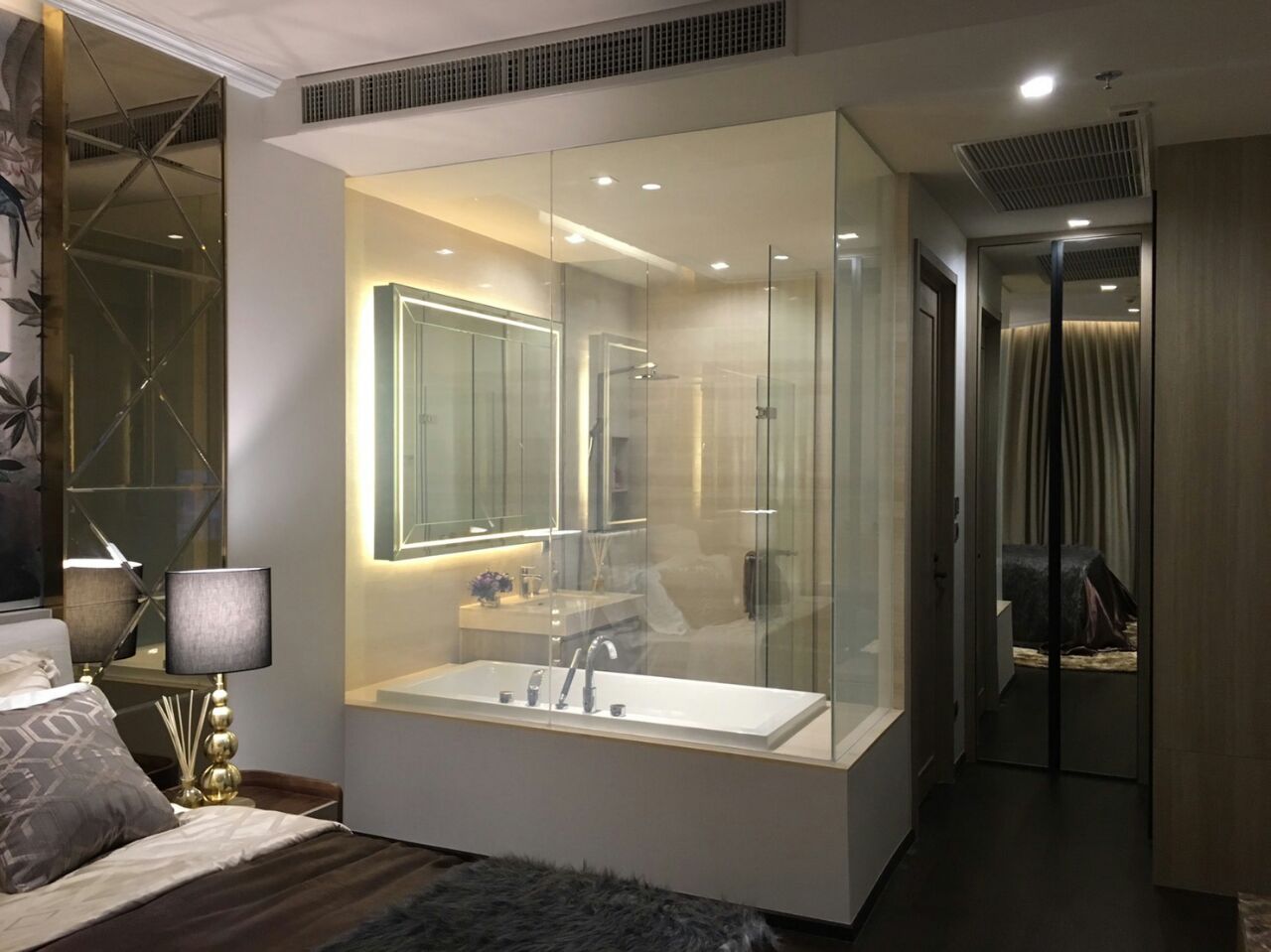
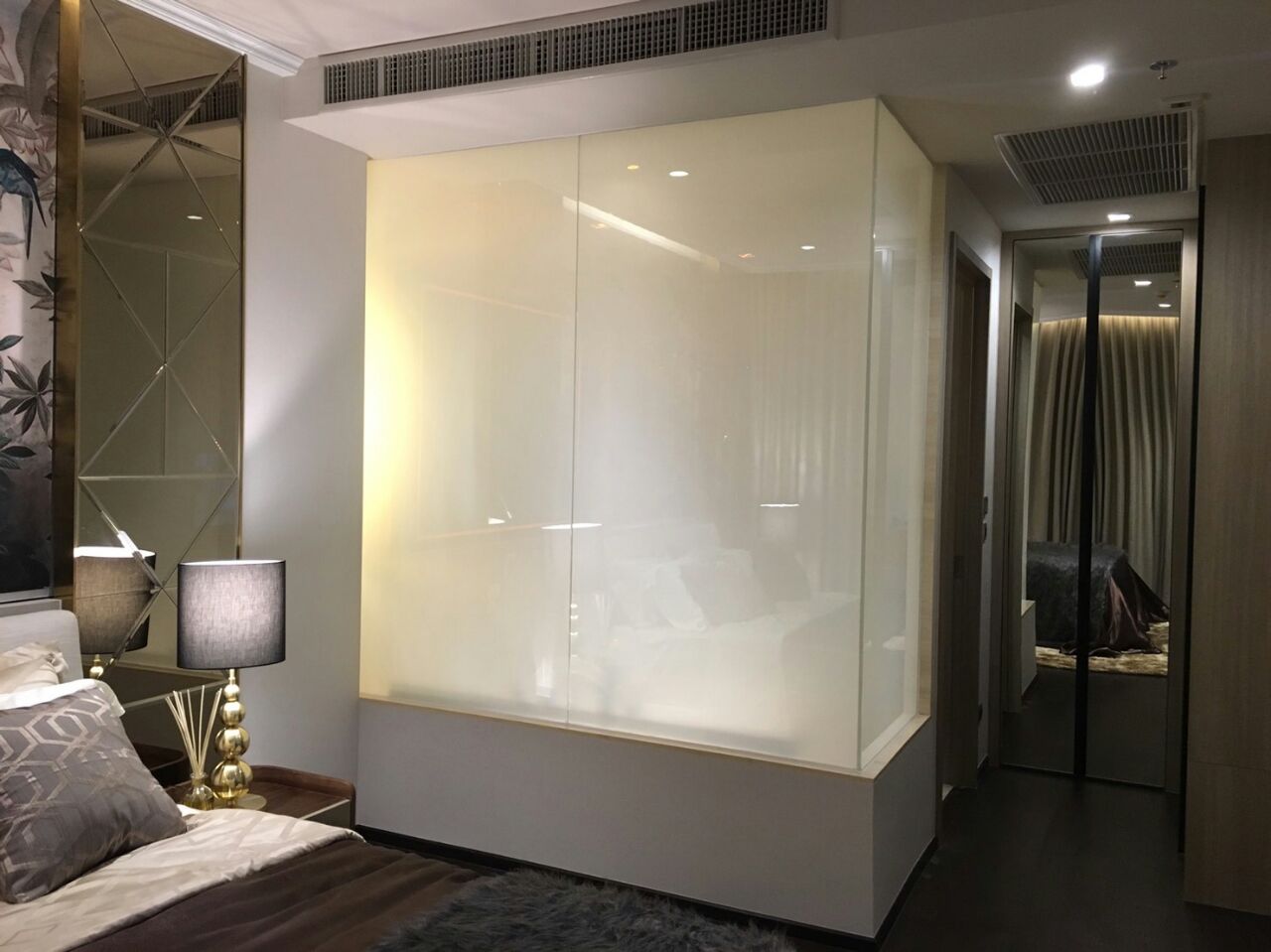
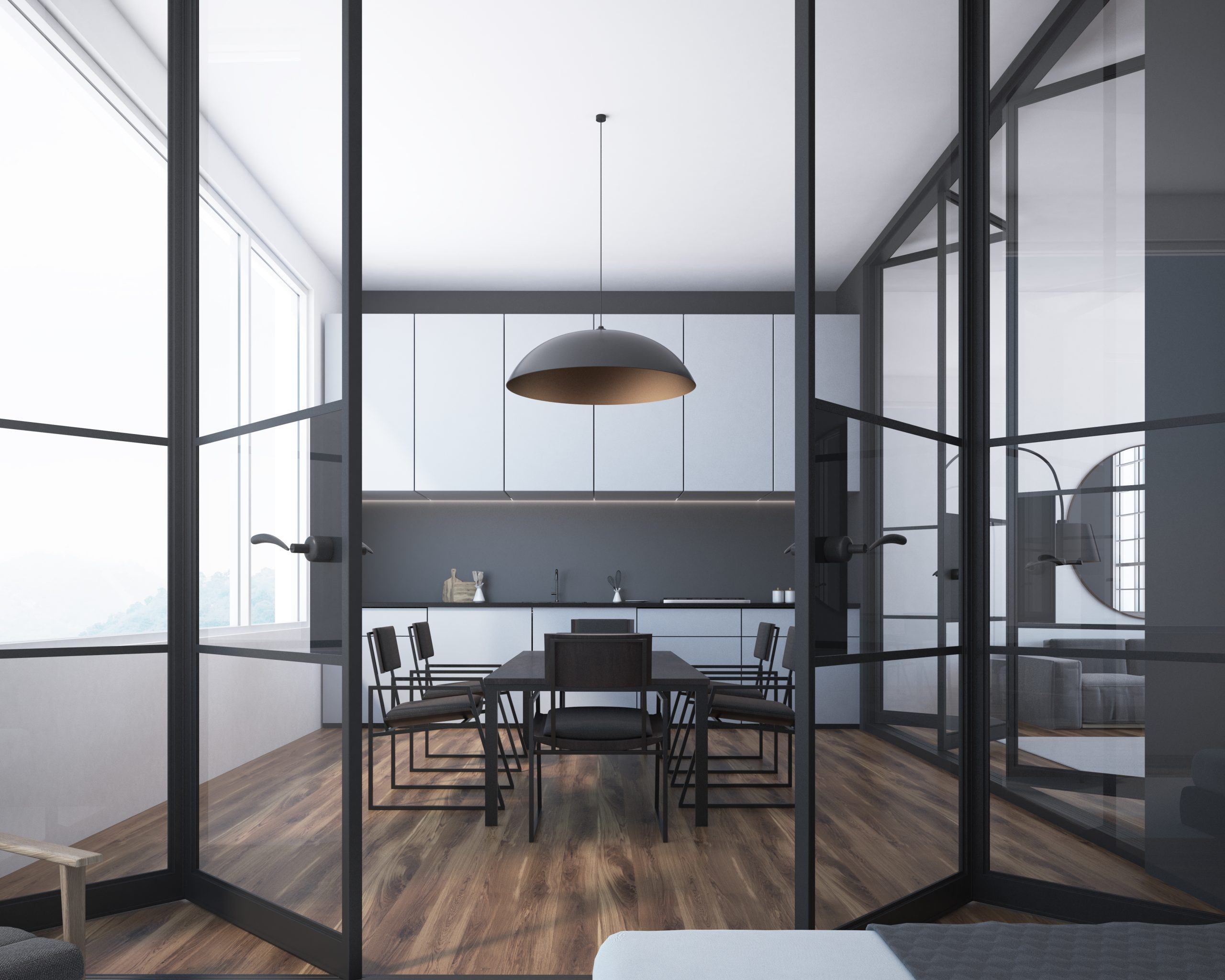
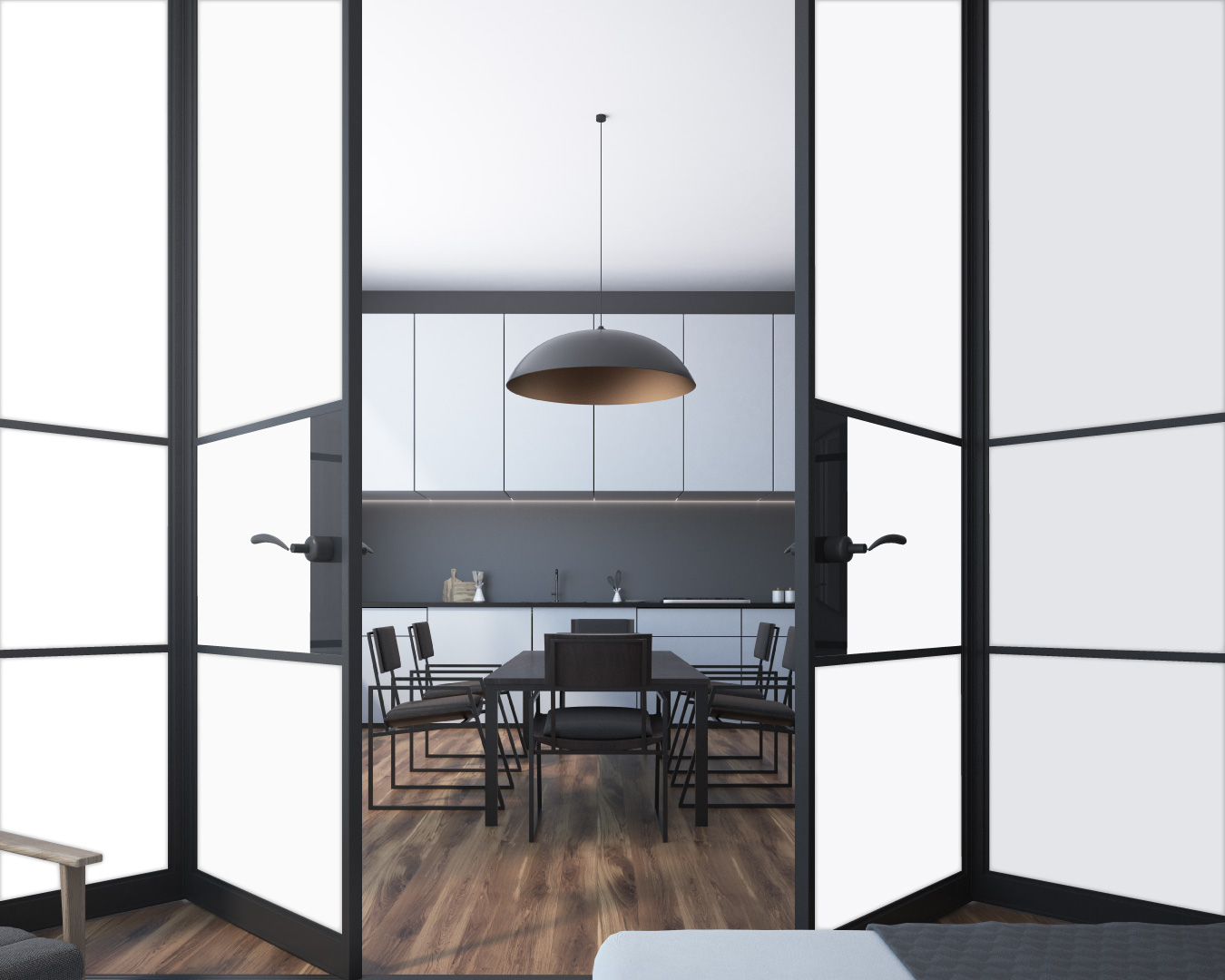
Privacy glass, also known as switchable glass, is a high-tech product that allows you to control its transparency. Through an electrical current, the glass can switch from clear to opaque, providing instant privacy. This transformation is achieved using liquid crystal or electrochromic technology embedded within the glass panels. If you’re comparing control methods and integrations, our guide to smart window technology is a helpful primer.
The Benefits of Privacy Glass in Co-Working Spaces
Flexible Privacy Solutions
One of the primary benefits of privacy glass in co-working spaces is its ability to offer flexible privacy solutions. Meeting rooms, private offices, and quiet zones can be instantly transformed into secluded areas when needed. This flexibility ensures that workers have the privacy required for confidential meetings, focused work, or personal calls, while still enjoying the open, collaborative atmosphere when privacy is not necessary. For multi-tenant buildings, see how developers use it in flexible real-estate spaces.
Enhanced Aesthetics
Co-working spaces often strive for a modern, sleek design to attract businesses and freelancers. Privacy glass fits perfectly into this aesthetic, providing a clean, contemporary look. It eliminates the need for curtains or blinds, maintaining the minimalistic and uncluttered design that many co-working spaces aim for. Retail-style brand moments can be created too—see transforming retail spaces with privacy glass.
Improved Acoustics
Privacy glass can also help improve the acoustics within a co-working space. When switched to opaque, it can act as a sound barrier, reducing noise pollution and providing a quieter environment. This is particularly beneficial for meeting rooms or private offices where confidential conversations need to remain confidential.
Increased Versatility
Co-working spaces are known for their versatility, catering to different working styles and needs. Privacy glass enhances this versatility by allowing spaces to be easily adapted. Whether it’s creating a private meeting room from an open area or transforming a quiet zone into a collaborative space, privacy glass offers unparalleled adaptability. Public-sector landlords are applying the same principles—see flexible spaces in government facilities.
Enhanced Security
In a shared workspace, security is a significant concern. Privacy glass adds an extra layer of security by obscuring the view into sensitive areas when necessary. This can deter unauthorised access and protect sensitive information from being seen by unintended eyes. Financial settings apply similar safeguards; learn more in creating secure and private spaces in banks and how this helps improve customer trust.
Boosted Productivity
Privacy glass can contribute to increased productivity by creating an environment that suits different work styles. Workers who require a quiet, distraction-free zone can benefit from the opaque setting, while those who thrive in a more open, interactive environment can enjoy the transparent mode. This adaptability helps in catering to a wide range of preferences, ultimately boosting overall productivity. For boardrooms and hubs, see the corporate advantage of flexible meeting spaces.
Integration with Smart Systems
Modern co-working spaces often incorporate smart technology to enhance user experience. Privacy glass can seamlessly integrate with these systems, allowing for remote control via apps, voice commands, or automation based on occupancy sensors. For instance, meeting rooms can automatically switch to opaque mode when booked, ensuring privacy without any manual intervention. Explore integration pathways in our overview of smart window technology.
Conclusion
The integration of privacy glass in co-working spaces presents a revolutionary approach to balancing openness and privacy. With its myriad benefits, from flexible privacy solutions and enhanced aesthetics to improved acoustics and increased versatility, privacy glass is poised to become a staple in the future of co-working environments. As the demand for flexible and adaptive workspaces continues to grow, privacy glass offers a sophisticated and practical solution that meets the evolving needs of modern professionals. For adjacent applications that inform co-working fit-outs, see real estate flexibility and retail transformations.
Who We Are
Tecdur is the leading manufacturer of smart glass for the UK and Ireland. Tecdur Switchable Glass provides the best clarity, lowest power consumption and lowest haze currently available. We can offer a wide range of specifications to meet project requirements with our switchable glass, cost is dependent on specification, application and design. Please get in contact with us to discuss further.
Please visit our portfolio for a look at completed projects. Keep up to date on our LinkedIn Showcase page


Frequently asked Questions

Our privacy glass works by utilising advanced PDLC (Polymer Dispersed Liquid Crystal) film. When an electrical current is applied, the liquid crystal molecules align, allowing light to pass through, making the glass transparent. When the current is switched off, the molecules mis-align, causing the glass to turn opaque or translucent, providing privacy.
Yes, privacy glass can be retrofitted into existing co-working spaces. It's essential to consult with a professional installer to assess the feasibility and ensure proper integration with the existing structure.
Yes, privacy glass can contribute to energy efficiency by controlling the amount of light and heat entering the space. This can reduce the need for artificial lighting and climate control, leading to lower energy costs.
Privacy glass can enhance acoustics by acting as a sound barrier when switched to opaque mode, reducing noise pollution and creating quieter environments for focused work or confidential meetings.
Privacy glass can be controlled via wall switches, remote controls, mobile apps, or voice commands through smart home assistants. It can also be automated based on schedules or occupancy sensors for added convenience.
Privacy glass operates on electrical systems, so backup power sources should be in place to ensure continued functionality during power outages. Additionally, proper training on its operation and maintenance is essential to address any potential privacy issues effectively.