


Introduction
The real estate industry is constantly evolving, driven by advancements in technology and changing consumer preferences. One such technological innovation making a significant impact is smart glass. This dynamic material offers a range of benefits, from enhancing privacy to improving energy efficiency and adding a modern aesthetic appeal. In this blog, we’ll explore the latest design trends in smart glass and provide tips for incorporating it into real estate projects and mixed-use spaces.

What is Smart Glass?
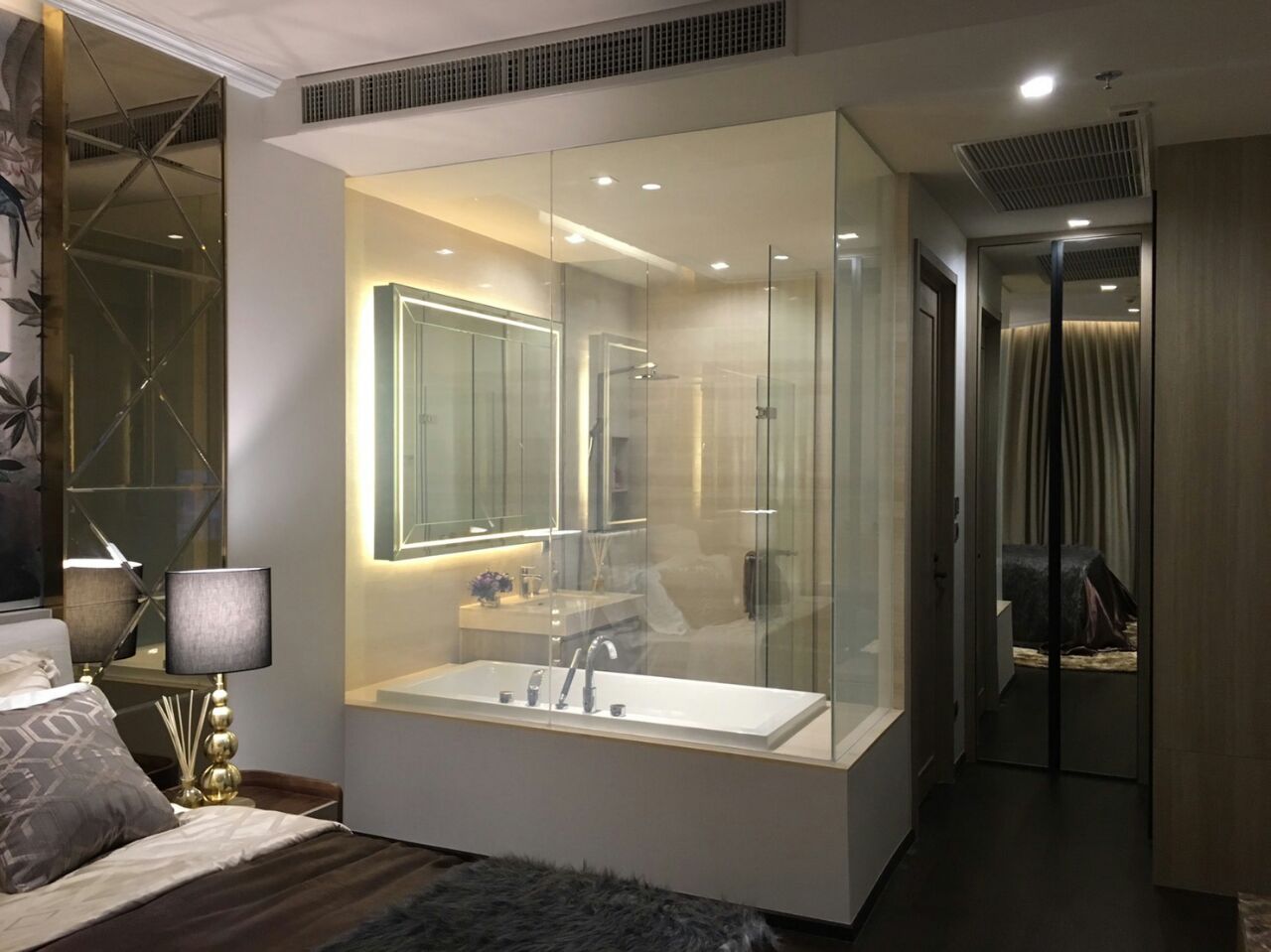
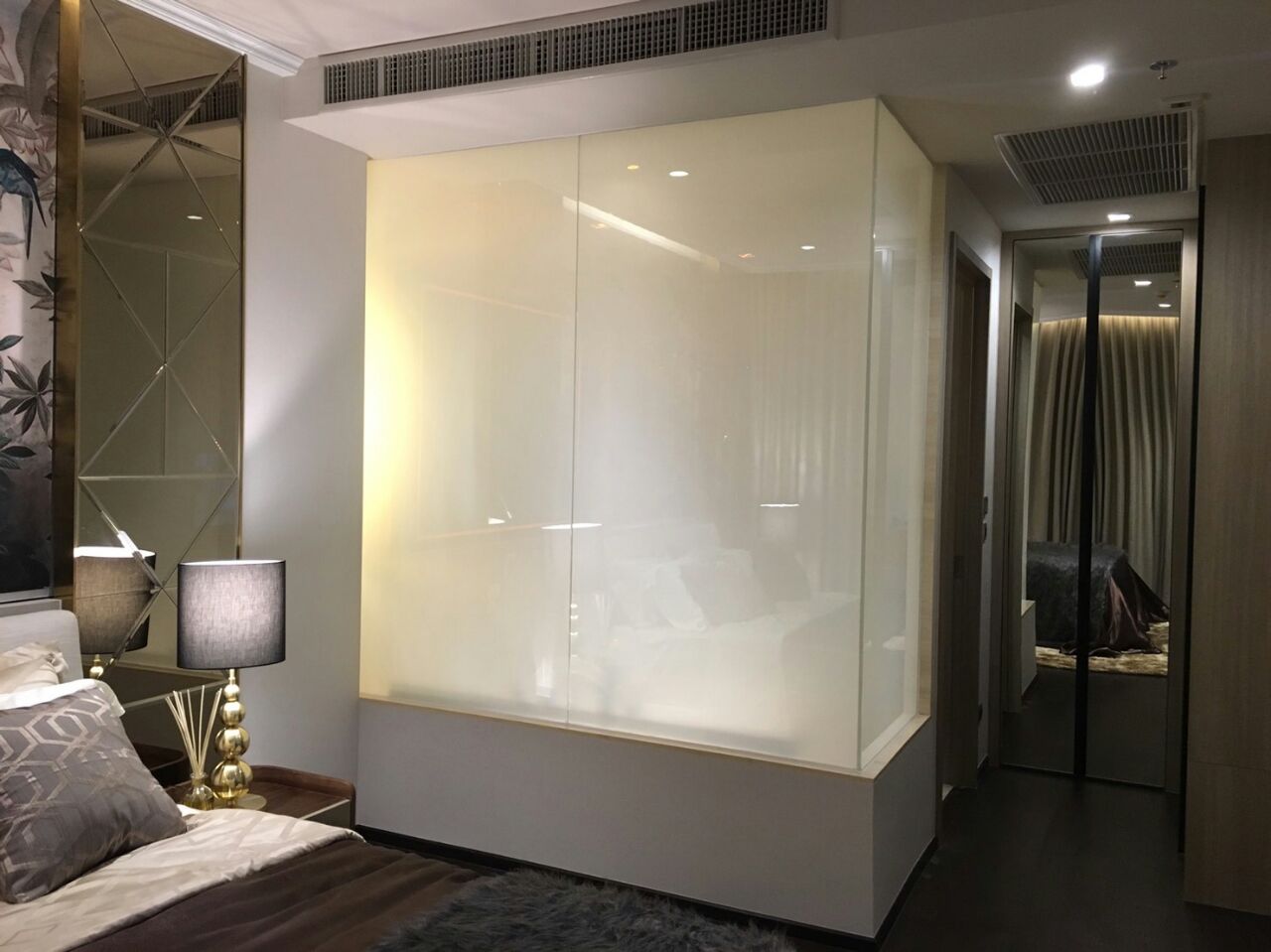
Smart glass, also known as switchable glass, is a type of glazing that can change its light transmission properties. It can switch from clear to opaque or tinted on demand, usually through the application of an electrical current. This transformation is typically achieved using liquid crystal or electrochromic technology embedded within the glass. If you’re planning a project, our overview on smart glass pricing is a helpful starting point.
Design Trends in Smart Glass
1. Minimalist and Modern Aesthetics
Smart glass aligns perfectly with the minimalist design trend. It offers clean lines and a sleek appearance, eliminating the need for traditional window coverings like curtains or blinds. This results in an uncluttered, modern look that is highly desirable in contemporary residential and commercial spaces. See how it elevates curb appeal in aesthetics and functionality.
2. Integrated Smart Home Systems
As smart homes become more popular, integrating smart glass with other smart home systems is a growing trend. Imagine controlling your window transparency via a mobile app, voice command, or automation systems. This integration enhances convenience and energy efficiency, making it a sought-after feature in high-end real estate—explored further in smart glass trends.
3. Flexible Space Utilisation
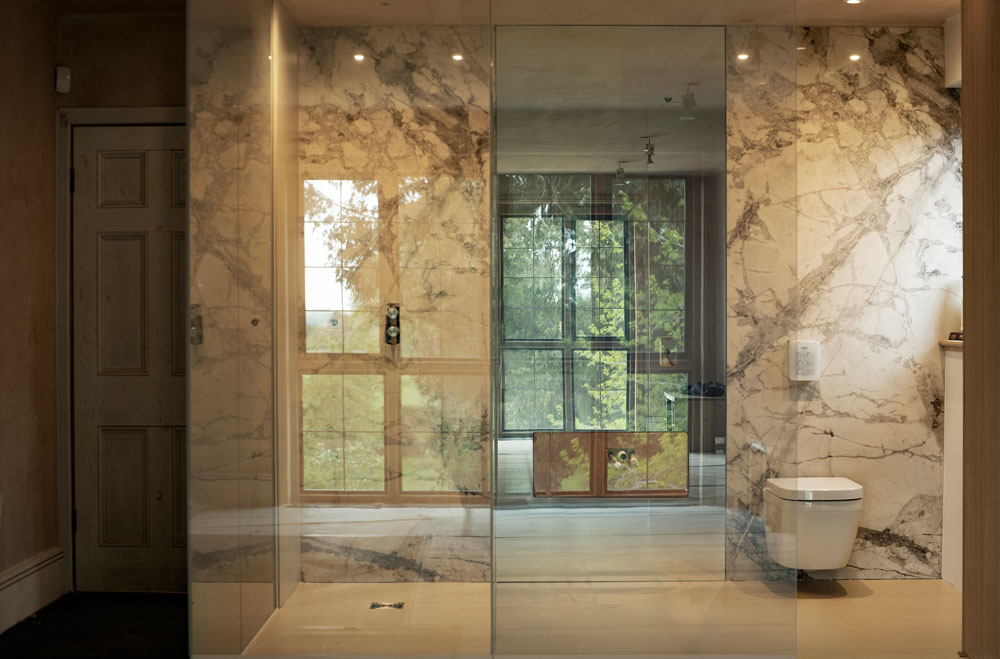
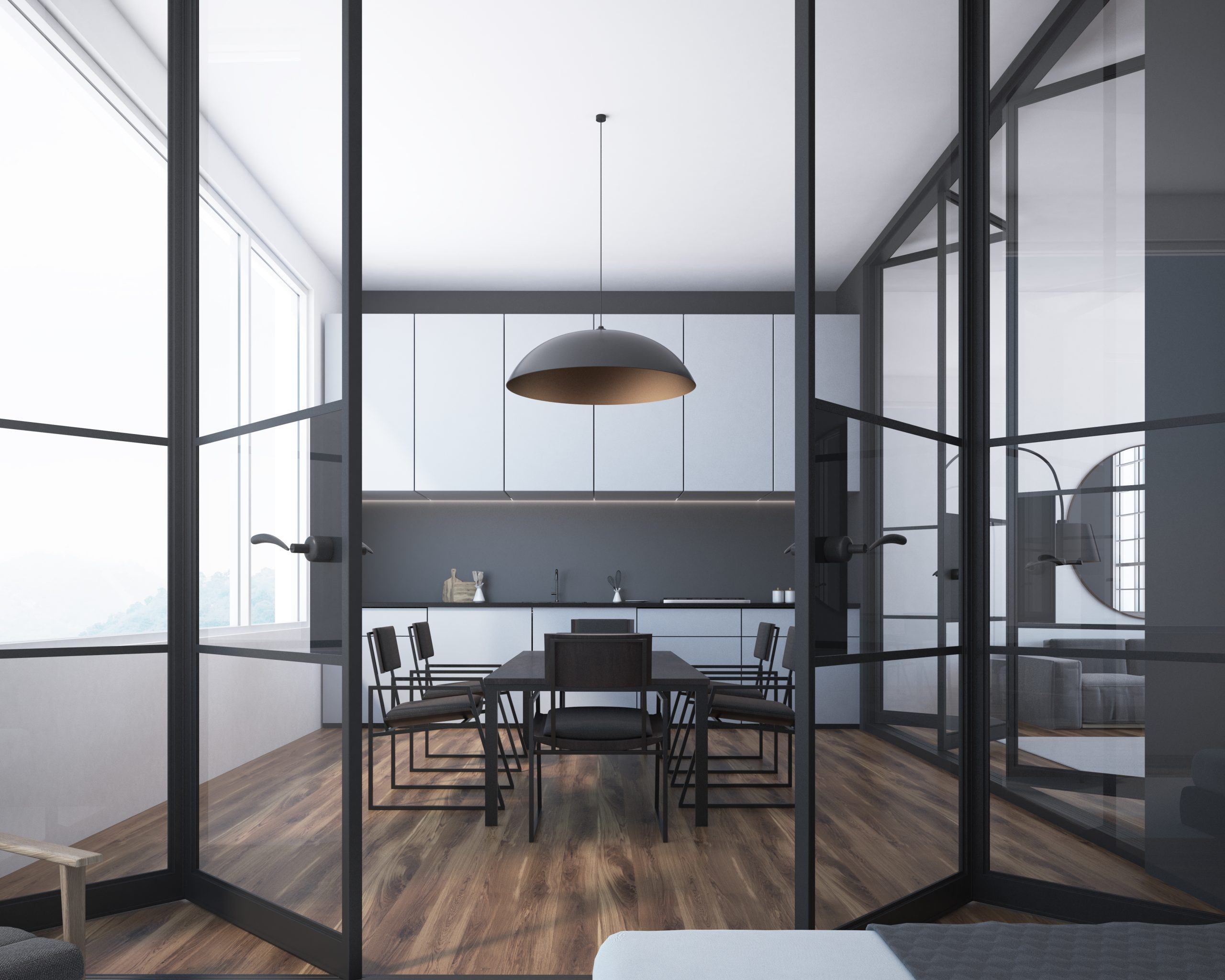
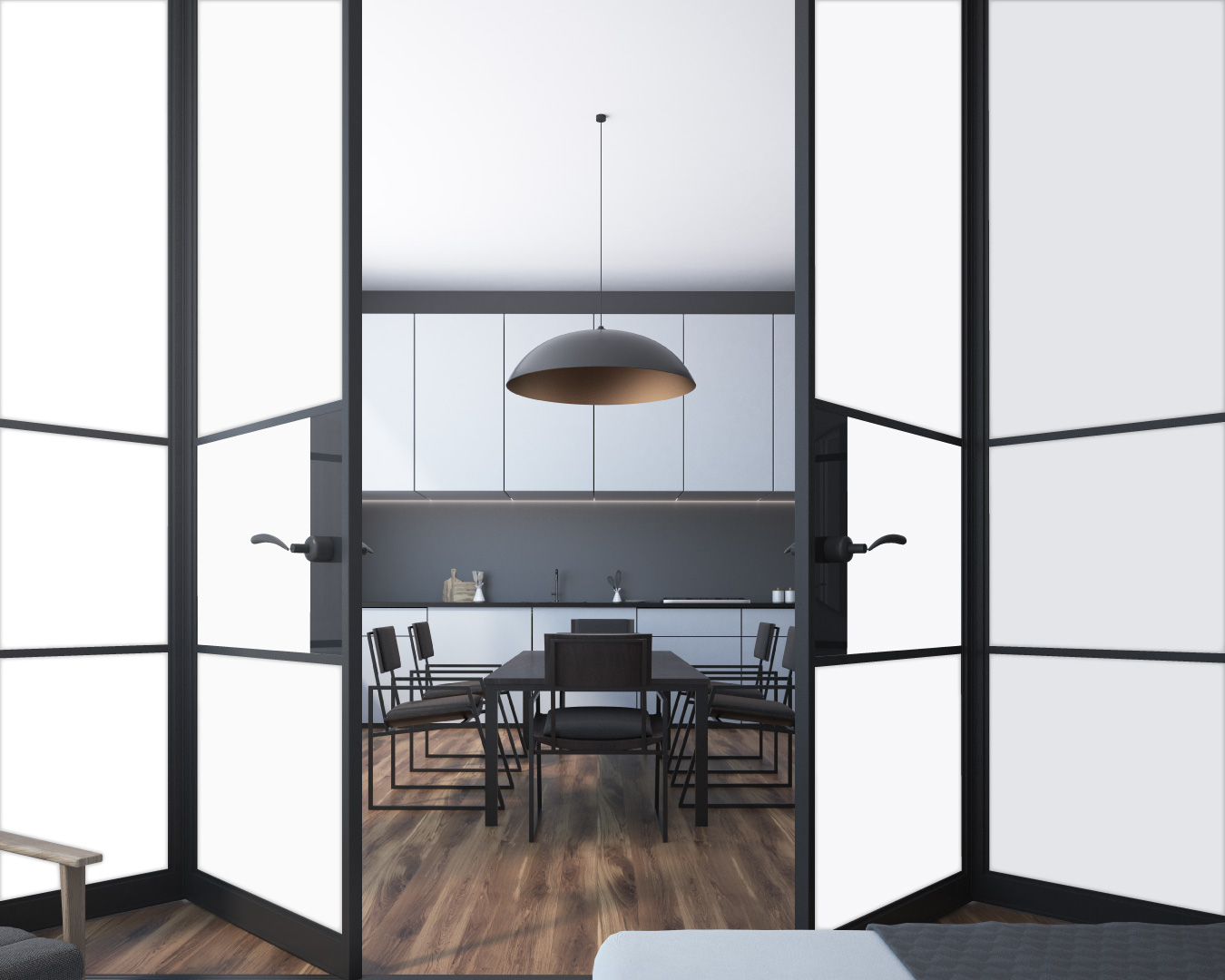
The ability of smart glass to switch between transparent and opaque states allows for flexible space utilisation. In commercial settings, this means transforming open-plan offices into private meeting rooms at the touch of a button. In residential properties, it allows for the creation of adaptable living spaces that can change function based on the occupants’ needs. For strategies and examples, see creating flexible spaces with privacy glass.
4. Sustainability and Energy Efficiency
Sustainability is a major focus in modern real estate, and smart glass contributes to this by improving energy efficiency. By controlling the amount of light and heat that enters a building, smart glass reduces the need for artificial lighting and climate control. This not only lowers energy costs but also minimises the building’s carbon footprint. Explore practical applications in innovative uses of privacy glass in commercial real estate.
5. Enhanced User Experience
Smart glass is being used to create immersive and interactive environments. For instance, in retail spaces, smart glass can be used for dynamic displays that switch between promotional content and privacy modes. In homes, it can enhance the living experience by providing natural light control and privacy on demand. See how it helps listings perform better in making real estate listings stand out.
Tips for Incorporating Smart Glass in Real Estate Projects
1. Understand the Technology
Before incorporating smart glass into your projects, it’s crucial to understand how it works and the different types available. Research the various technologies, such as liquid crystal and electrochromic, and determine which best suits your project’s needs. Our guide on pricing and options can help frame early decisions.
2. Consider the Application
Identify the key areas where smart glass will be most beneficial. In commercial buildings, this might include conference rooms, executive offices, and storefronts. In residential properties, consider using smart glass for windows, partitions, and bathrooms. For sector-specific ideas, browse commercial applications and smart glass in luxury developments.
3. Evaluate Energy Efficiency
Assess how smart glass can improve the energy efficiency of your building. Consider factors such as the building’s orientation, climate, and the amount of natural light available. Smart glass can significantly reduce energy consumption, but it should be part of a comprehensive energy efficiency strategy—see transforming living and working spaces.
4. Integrate with Smart Systems
To maximise the benefits of smart glass, integrate it with existing smart building systems. This can include automation for lighting, heating, and cooling based on the transparency of the glass. Ensure that the smart glass system is compatible with other smart home technologies used in the building, as highlighted in trend overviews.
5. Plan for Maintenance
Like any other technology, smart glass requires maintenance to ensure it operates effectively. Discuss maintenance requirements with the supplier and include these in your project planning. Regular maintenance will help prolong the life of the smart glass and ensure it continues to function as intended.
6. Focus on Design Aesthetics
Smart glass can greatly enhance the aesthetic appeal of a property. Work with architects and interior designers to ensure that the smart glass is integrated seamlessly into the overall design. Consider how the glass will look in both its transparent and opaque states to ensure it complements the design in all scenarios. For inspiration, review aesthetic enhancements and its role in luxury real estate.
7. Budget Appropriately
Smart glass is an investment, so it’s important to budget for it appropriately. While it can be more expensive than traditional glazing, the benefits it offers in terms of energy efficiency, flexibility, and modern appeal can justify the cost. Be sure to include the cost of installation, integration, and maintenance in your budget—our guide to smart glass pricing explains typical ranges and drivers.
Conclusion
Incorporating smart glass into real estate projects offers numerous benefits, from enhancing privacy and security to improving energy efficiency and adding a modern aesthetic. By staying abreast of design trends and following best practices for integration, property developers and architects can create innovative, high-tech spaces that meet the evolving needs of today’s market. As technology continues to advance, smart glass will undoubtedly play a pivotal role in shaping the future of marketable listings and the performance of living and working spaces.
Who We Are
Tecdur is the leading manufacturer of smart glass for the UK and Ireland. Tecdur Switchable Glass provides the best clarity, lowest power consumption and lowest haze currently available. We can offer a wide range of specifications to meet project requirements with our switchable glass, cost is dependent on specification, application and design. Please get in contact with us to discuss further.
Please visit our portfolio for a look at completed projects. Keep up to date on our LinkedIn Showcase page


Frequently asked Questions

Our privacy glass works by utilising advanced PDLC (Polymer Dispersed Liquid Crystal) film. When an electrical current is applied, the liquid crystal molecules align, allowing light to pass through, making the glass transparent. When the current is switched off, the molecules mis-align, causing the glass to turn opaque or translucent, providing privacy.
Yes, smart glass can be retrofitted into existing buildings. It’s important to consult with a professional installer to assess feasibility and ensure proper integration with the existing structure and systems.
Smart glass can control the amount of light and heat entering a building, reducing the need for artificial lighting and climate control. This can lower energy consumption and costs, contributing to the building's overall energy efficiency.
Yes, smart glass can be integrated with smart home systems, allowing for control via mobile apps, voice commands, or automation based on schedules and sensors. This enhances convenience and further improves energy efficiency.
Smart glass requires regular maintenance to ensure it operates effectively. This includes cleaning the glass and checking the electrical connections and control systems. It’s important to follow the manufacturer’s maintenance guidelines to prolong the life of the smart glass.