



Introduction
Privacy Glass has emerged as a critical technology in ensuring the security and confidentiality of banking infrastructure across the UK. In an era where data protection and client confidentiality are paramount, integrating Privacy Glass into banking environments provides a robust solution to safeguard sensitive information and enhance operational efficiency. As many institutions are discovering, there are numerous innovative ways to use privacy glass in banking environments, and it is increasingly viewed as a game-changer for secure financial transactions. This blog explores the importance of Privacy Glass and its applications within the banking sector, addressing its benefits, applications, and considerations for architects and building planners.

Understanding Privacy Glass Technology
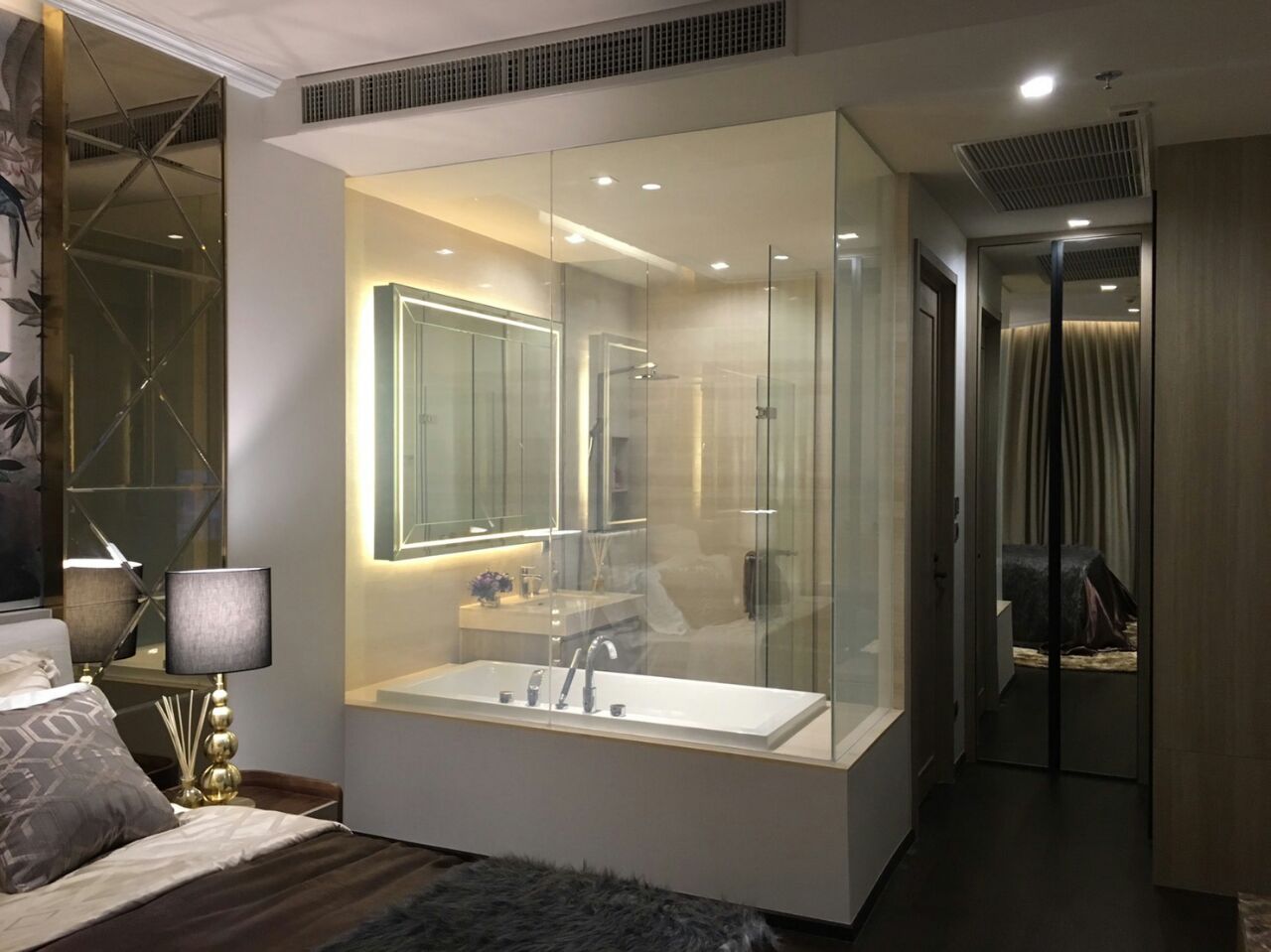
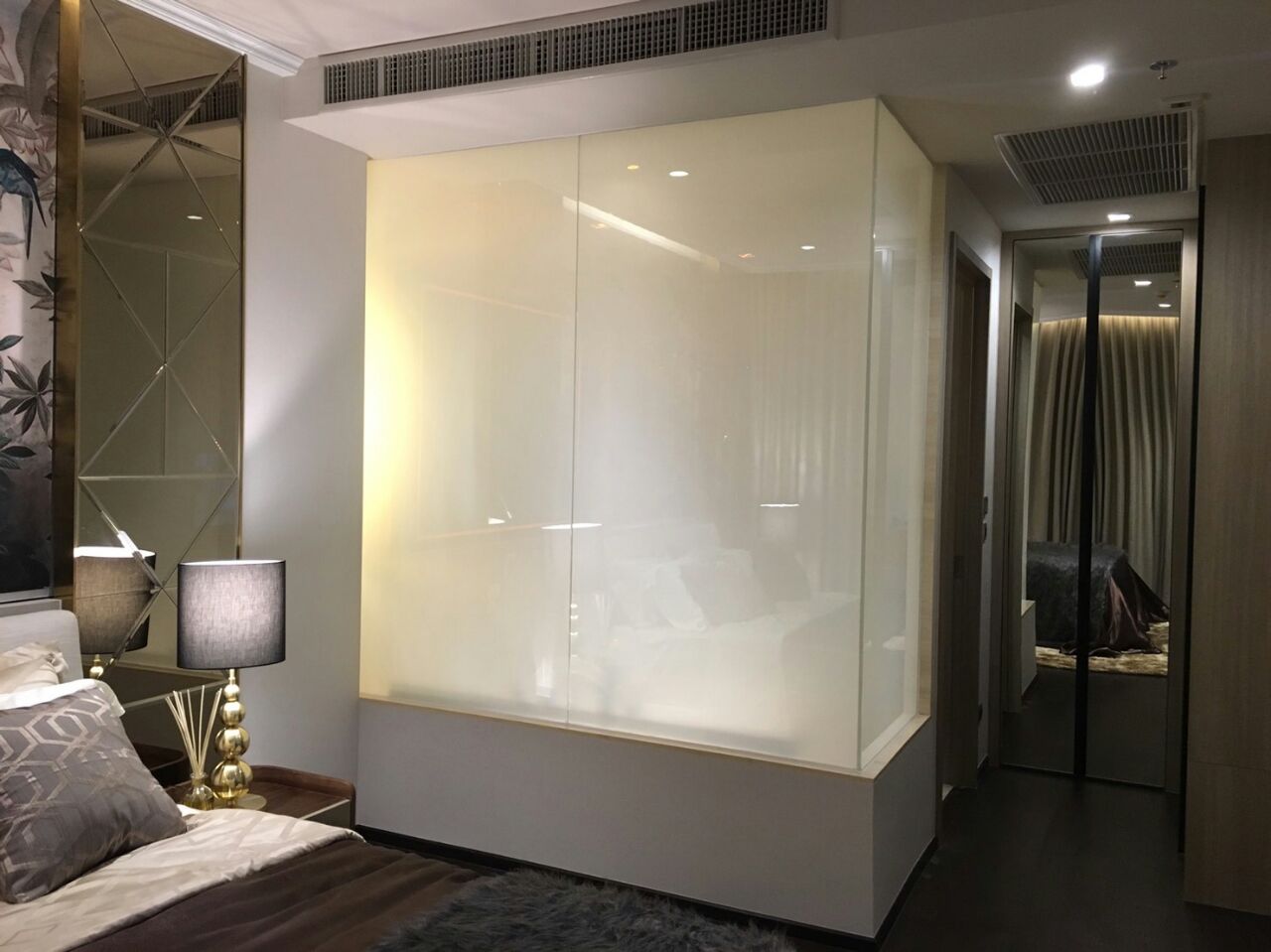
Privacy Glass, also known as switchable glass or smart glass, operates using electrochromic principles. It can switch between transparent and opaque states with the application of an electrical current. This dynamic feature allows banks to create private spaces instantly, protecting confidential conversations and transactions from visual intrusion. In many modern projects, Privacy Glass is specified alongside broader smart window technology to deliver both privacy and energy performance across the façade and internal partitions.
Benefits of Privacy Glass in Banking Infrastructure
Implementing Privacy Glass offers several key benefits for banking infrastructure:
- Enhanced Confidentiality: Protect sensitive client information and transactions from visual surveillance. This is central to creating secure and private spaces in banks, particularly in high-value advisory and VIP areas.
- Flexible Privacy Solutions: Adjust transparency levels to meet the varying privacy needs of different areas within the bank, from open-plan branches to open banking spaces where risk needs to be reduced.
- Professional Aesthetic: Enhance the modern and professional look of bank interiors with sleek, contemporary glass panels that align with the wider applications of privacy glass in modern banking.
- Operational Efficiency: Facilitate smoother client interactions and internal meetings by providing secure and private environments, particularly in banking conference rooms where privacy and flexibility are key.
- Regulatory Compliance: Ensure compliance with data protection laws and privacy regulations concerning client confidentiality, supporting the role of privacy glass as a core component of secure financial transactions.
Applications of Privacy Glass in Banking
Privacy Glass can be strategically applied in various areas of banking infrastructure:
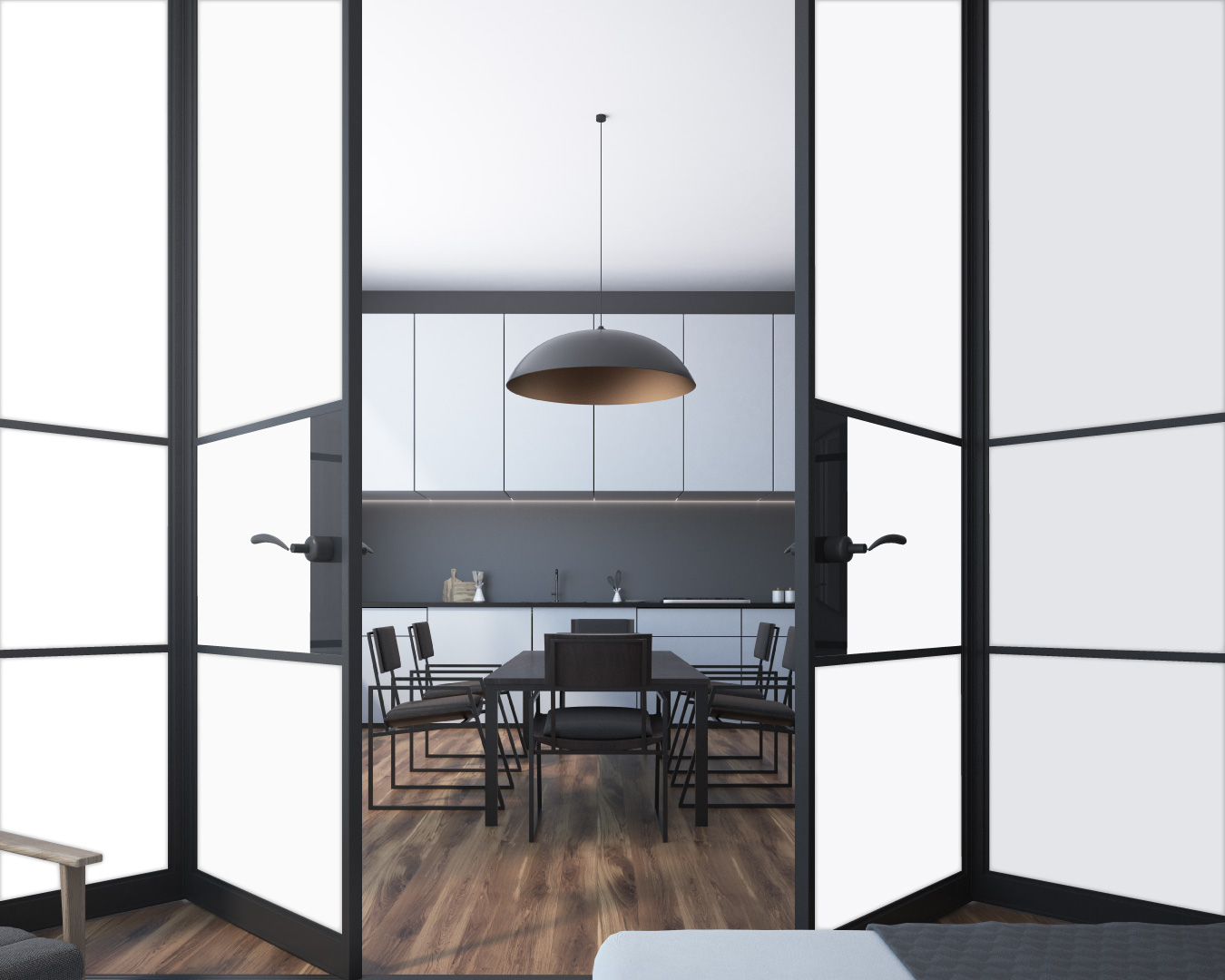
- Client Consultation Rooms: Create private spaces for confidential client meetings and financial consultations. These rooms are often the starting point for many privacy glass applications in modern banking beyond consultation rooms.
- Boardrooms and Meeting Rooms: Ensure confidentiality during strategic discussions, board meetings, and executive briefings. Here, privacy glass delivers many of the top benefits seen in banking conference rooms, from instant privacy to a clean, high-end aesthetic.
- Transaction Areas: Enhance privacy and security at teller stations and customer service counters, especially in branches that embrace open banking layouts where risks must be carefully managed.
- Executive Offices: Provide discreet environments for senior management and executives handling sensitive information, complementing other secure privacy glass strategies throughout the bank.
- Training and Collaboration Spaces: Partition areas effectively to maintain privacy while promoting collaboration and teamwork, echoing many of the innovative ways banks are now using privacy glass for multifunctional spaces.
Integrating Privacy Glass into Banking Designs
Architects and building planners play a crucial role in integrating Privacy Glass seamlessly into banking designs. Collaboration with experts in smart glass technology ensures that Privacy Glass solutions meet both functional requirements and aesthetic preferences. Factors such as acoustic insulation, lighting control, and maintenance should be considered to optimise the effectiveness of Privacy Glass installations in banking environments. Early design coordination can also help combine internal privacy glazing with smart window technology on the building envelope, delivering a cohesive approach to comfort, security, and energy efficiency.
Enhancing Security and Client Trust
Privacy Glass significantly enhances security and client trust in banking infrastructure:
- Confidentiality Assurance: Provide a secure environment that protects client information and transactions from visual intrusion, reinforcing privacy measures described in game-changing secure transaction use cases.
- Compliance Commitment: Demonstrate commitment to regulatory compliance and data protection standards concerning client confidentiality, which is increasingly expected across all banking touchpoints, not just consultation rooms.
- Customisation and Adaptability: Tailor Privacy Glass solutions to fit specific design and operational requirements of banks, from traditional branches to innovative open-banking concepts.
- Employee Productivity: Create a conducive work environment that enhances employee focus and productivity by reducing distractions and allowing instant control over visibility.
- Client Satisfaction: Enhance client satisfaction by prioritising privacy and confidentiality in every banking interaction, aligning with the broader innovation trends in privacy glass for banking environments.
Conclusion
Privacy Glass technology represents a pivotal advancement in ensuring the security and confidentiality of banking infrastructure in the UK. By integrating this innovative solution into their designs, financial institutions can uphold the highest standards of client confidentiality, regulatory compliance, and operational efficiency. Privacy Glass not only protects sensitive information but also reinforces trust and integrity in every banking transaction and interaction, especially when deployed as part of a wider strategy that includes secure transaction glazing and multi-purpose privacy glass applications.
Who We Are
Tecdur is the leading manufacturer of smart glass for the UK and Ireland. Tecdur Switchable Glass provides the best clarity, lowest power consumption and lowest haze currently available. We can offer a wide range of specifications to meet project requirements with our switchable glass, cost is dependent on specification, application and design. Please get in contact with us to discuss further.
Please visit our portfolio for a look at completed projects. Keep up to date on our LinkedIn Showcase page


Frequently asked Questions

Our privacy glass works by utilising advanced PDLC (Polymer Dispersed Liquid Crystal) film. When an electrical current is applied, the liquid crystal molecules align, allowing light to pass through, making the glass transparent. When the current is switched off, the molecules mis-align, causing the glass to turn opaque or translucent, providing privacy.
Yes, there are types of Privacy Glass designed for outdoor use, providing privacy and protection while maintaining aesthetic appeal.
Certain types of Privacy Glass can reduce the need for artificial lighting during daylight hours, contributing to energy savings.
Privacy Glass is designed for durability and ease of maintenance, requiring regular cleaning and occasional maintenance checks.
Privacy Glass can be integrated with existing security systems to enhance overall security measures within bank premises.
It's important to comply with data protection laws and building regulations when installing Privacy Glass to ensure legal compliance and client confidentiality.