



Introduction
Privacy glass has emerged as a revolutionary technology in the design and functionality of banking environments. Its ability to switch between transparent and opaque states offers diverse applications that enhance security, privacy, and aesthetics within financial institutions. This blog explores innovative ways to utilise privacy glass in banking environments across the UK, providing insights for users, architects, building planners, and stakeholders in the banking and financial sector. For a deeper sector overview, see privacy glass as a vital component of secure banking infrastructure.

Understanding Privacy Glass
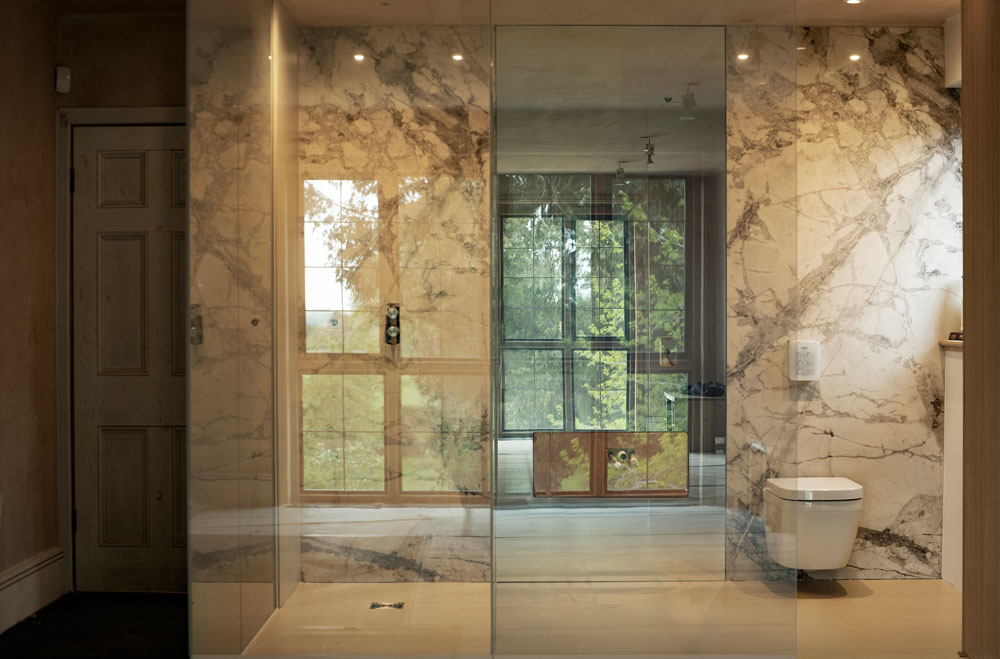
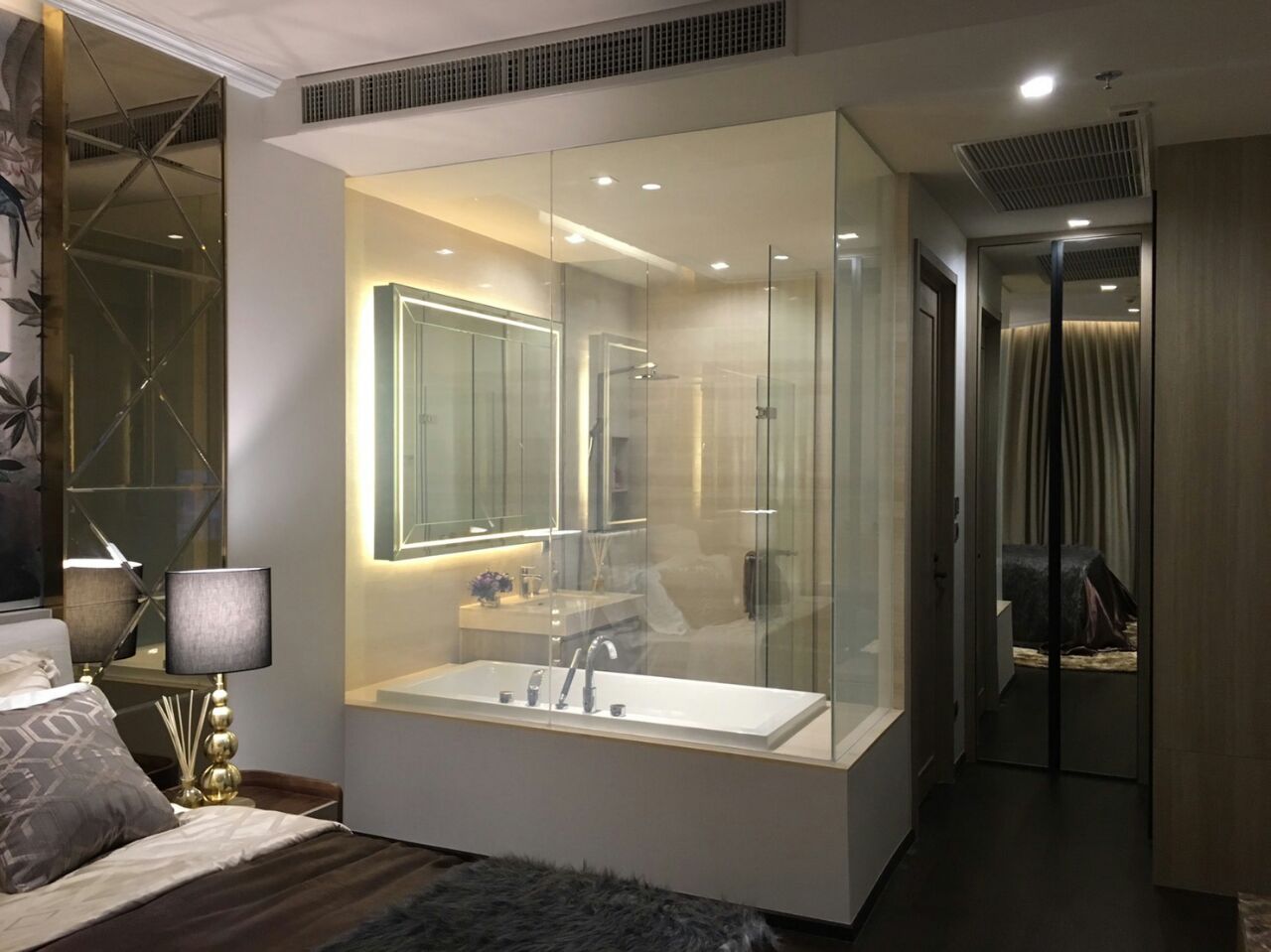
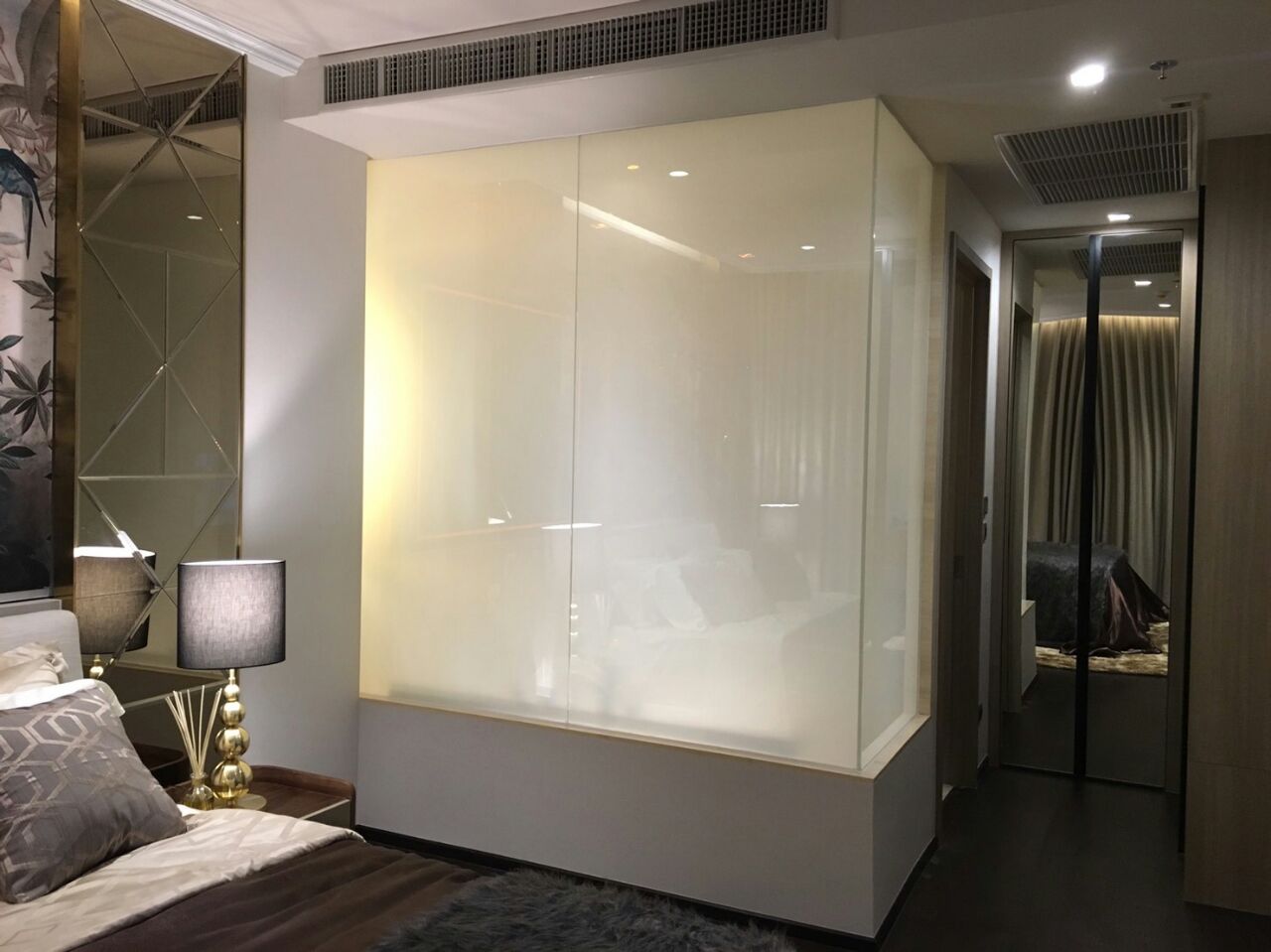
Privacy glass, also known as switchable glass or smart glass, employs advanced technologies such as liquid crystal, electrochromic films, or suspended particle devices to alter its transparency. Controlled electronically, privacy glass allows for instantaneous adjustments, making it suitable for various applications in banking environments. If you’re new to the core tech, explore our guide to smart window technology.
Innovative Applications of Privacy Glass in Banking
1. Secure ATM Kiosks
Privacy glass enhances security at ATM kiosks by providing a visual barrier that protects users from visual hacking attempts. When transparent, it allows for clear visibility during transactions. When switched to opaque, it shields the screen and keypad, ensuring confidentiality and preventing unauthorized access to sensitive information. See related use cases in reducing risk in open banking spaces.
2. Flexible Office Spaces
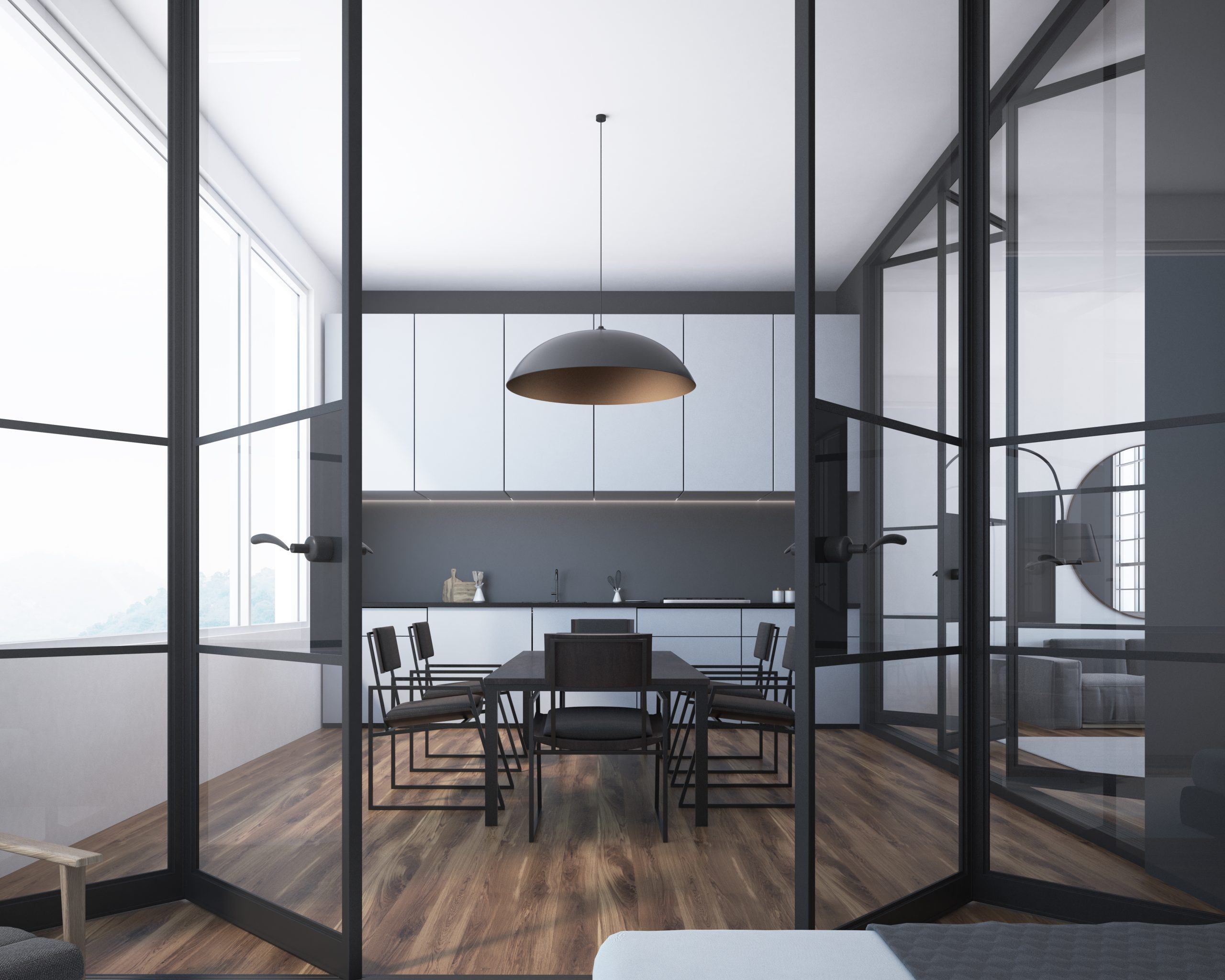
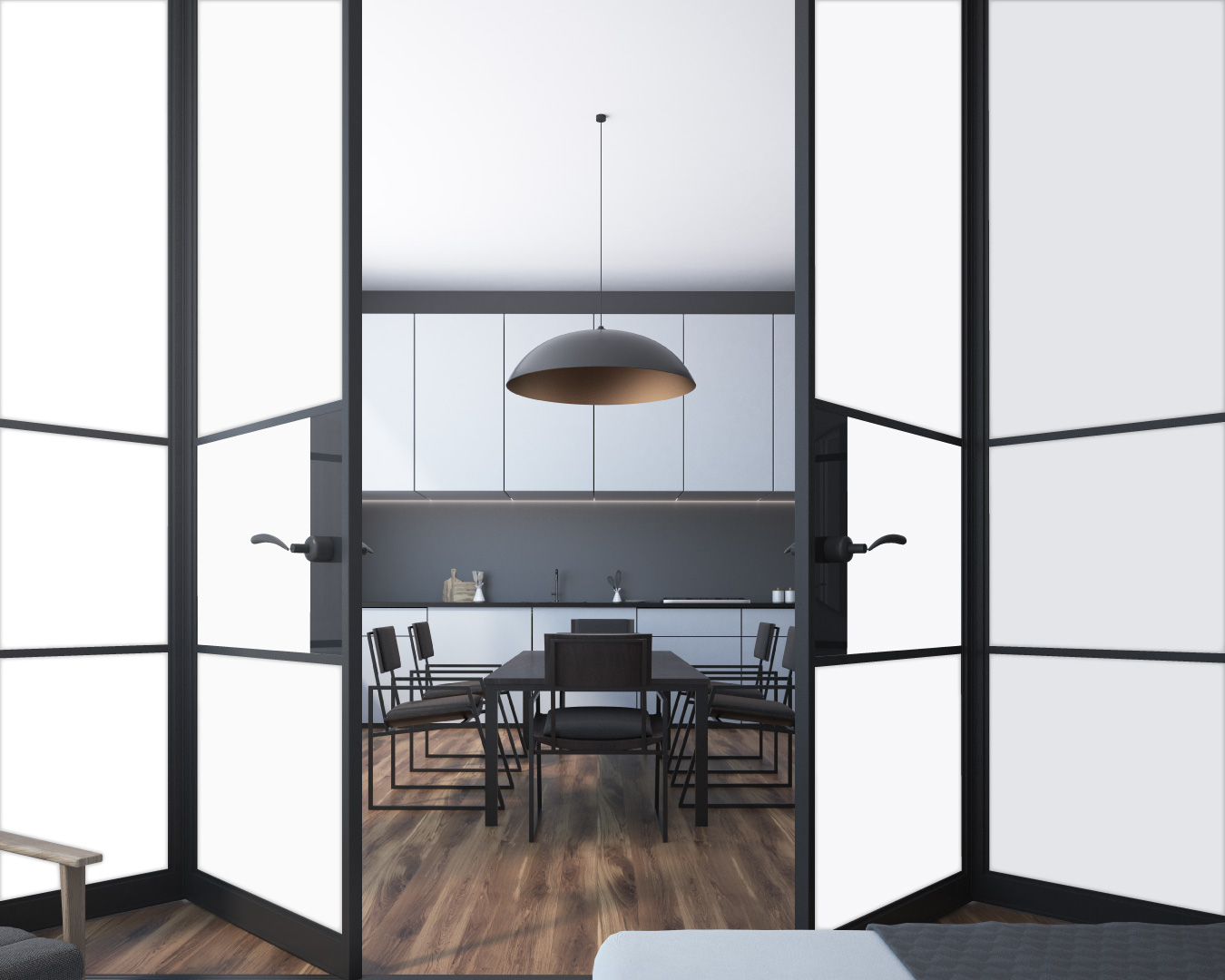
Incorporating privacy glass in office partitions and meeting rooms offers flexibility in space management. Office layouts can transition from open and collaborative environments to private and enclosed spaces as needed. This adaptability optimises the use of office space while maintaining confidentiality during sensitive discussions and client meetings. For broader corporate fit-out ideas, visit customising corporate environments with dynamic privacy glass.
3. Transaction Counters and Teller Stations
Privacy glass can be integrated into transaction counters and teller stations to enhance security and privacy during financial transactions. By switching to opaque mode, privacy glass prevents onlookers from viewing transaction details or client interactions, thereby safeguarding sensitive information and enhancing client trust. Learn more about banking layouts in secure banking infrastructure.
4. Confidential Consultation Rooms
Consultation rooms in banks play a crucial role in providing private discussions with clients regarding financial matters. Privacy glass ensures that these rooms offer a secure and confidential environment by allowing them to switch to opaque mode during consultations. This feature protects client privacy and facilitates open discussions without external interruptions. For space-planning inspiration across sectors, see innovative uses of privacy glass in commercial real estate.
5. Dynamic Building Facades
Beyond internal applications, privacy glass can be used in building facades to enhance both security and architectural aesthetics. By controlling visibility from the outside, privacy glass helps regulate natural light and improve energy efficiency within the building. This feature contributes to a modern and sustainable building design that aligns with contemporary architectural trends. Explore additional facade/fit-out ideas in retail store applications and creating flexible spaces.
Benefits of Using Privacy Glass in Banking Environments
- Enhanced Security: Privacy glass provides a secure environment for sensitive transactions and client interactions by preventing visual intrusion. See also risk reduction in open banking spaces.
- Improved Privacy: It ensures confidentiality in consultation rooms, offices, and transaction areas, enhancing client trust and regulatory compliance.
- Flexibility in Design: Privacy glass offers versatile solutions for space management, allowing for adaptable layouts and functional enhancements—more examples in commercial real estate.
- Modern Aesthetics: Its sleek and contemporary design enhances the overall look and feel of banking environments, reflecting professionalism and innovation.
- Energy Efficiency: Many types of privacy glass contribute to energy savings by controlling natural light and reducing the need for artificial lighting, supporting sustainable building practices.
Conclusion
Privacy glass represents a versatile and innovative solution for enhancing security, privacy, and aesthetics in banking environments across the UK. By integrating privacy glass into various applications such as ATM kiosks, office spaces, transaction counters, consultation rooms, and building facades, financial institutions can create secure, flexible, and visually appealing environments that meet the high standards of modern banking. For more sector-specific guidance, visit our hub on banking infrastructure.
Who We Are
Tecdur is the leading manufacturer of smart glass for the UK and Ireland. Tecdur Switchable Glass provides the best clarity, lowest power consumption and lowest haze currently available. We can offer a wide range of specifications to meet project requirements with our switchable glass, cost is dependent on specification, application and design. Please get in contact with us to discuss further.
Please visit our portfolio for a look at completed projects. Keep up to date on our LinkedIn Showcase page


Frequently asked Questions

Our privacy glass works by utilising advanced PDLC (Polymer Dispersed Liquid Crystal) film. When an electrical current is applied, the liquid crystal molecules align, allowing light to pass through, making the glass transparent. When the current is switched off, the molecules mis-align, causing the glass to turn opaque or translucent, providing privacy.
Privacy glass enhances security in ATM kiosks by preventing visual hacking attempts. When switched to opaque, it shields the screen and keypad, ensuring that transaction details are confidential and protected from onlookers.
Yes, privacy glass is available in various styles and can be customised to fit specific architectural designs and space requirements within banking environments. It offers flexibility in design while maintaining security and privacy.
Privacy glass contributes to energy savings by controlling natural light and reducing the need for artificial lighting. This feature helps financial institutions lower their energy consumption and operational costs, supporting sustainable building practices.
Privacy glass ensures client confidentiality in consultation rooms by allowing the glass to switch to opaque mode during meetings. This feature prevents visual access from outside, protecting sensitive discussions and client information.
Yes, privacy glass helps financial institutions comply with data protection regulations by safeguarding client information during transactions and consultations. It ensures that sensitive data remains secure and confidential, mitigating risks associated with data breaches.