



Introduction
In the highly competitive and regulated world of financial services, confidentiality is not just a priority—it’s a necessity. As financial institutions in the UK strive to protect sensitive client information and maintain trust, innovative solutions like privacy glass are becoming increasingly essential. This blog explores the benefits of privacy glass for financial institutions and offers insights for architects, building planners, and stakeholders in the banking sector. For broader context on performance in workplaces, see intelligent glass in office spaces and headline smart glass benefits.

Understanding Privacy Glass
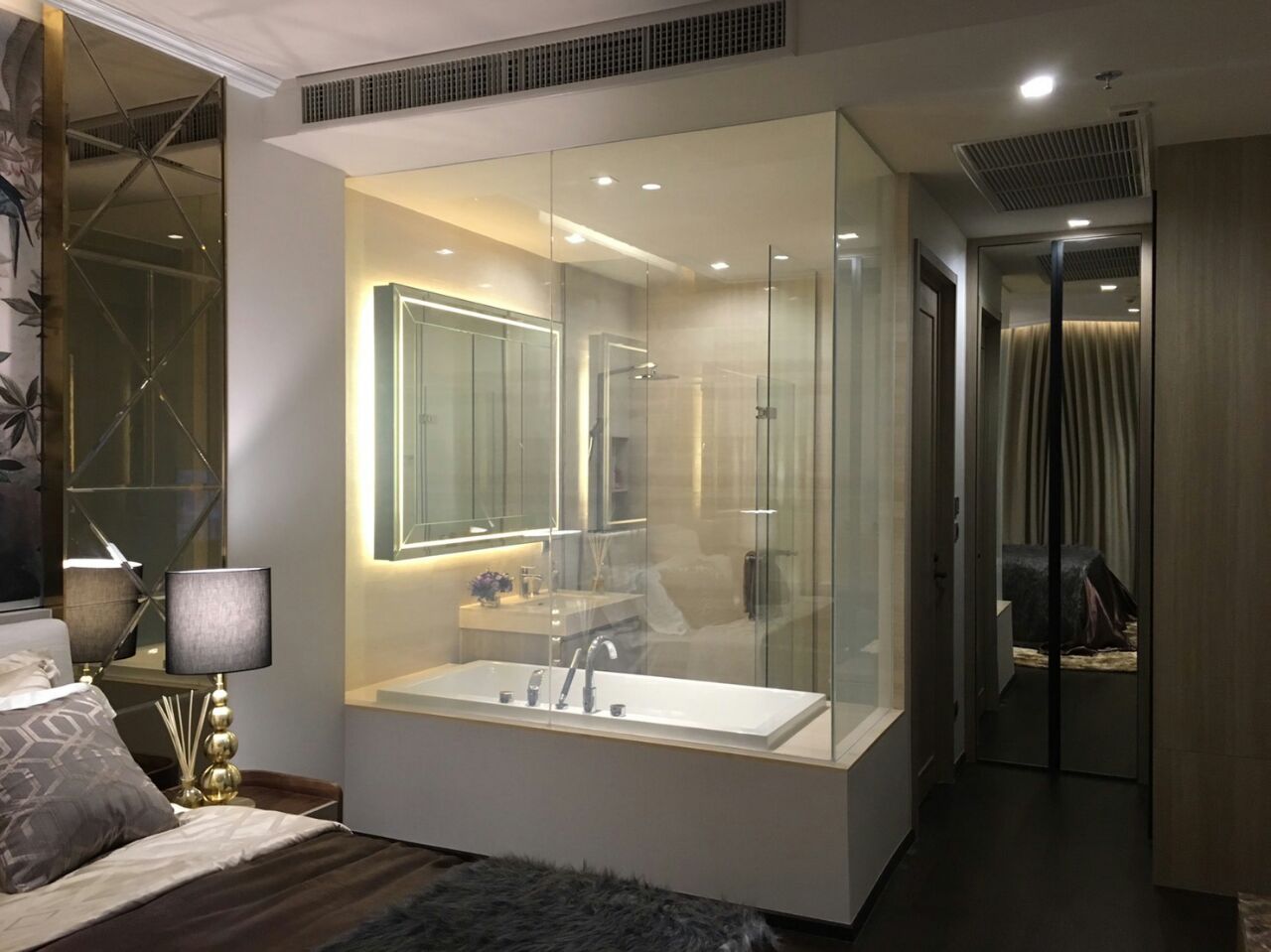
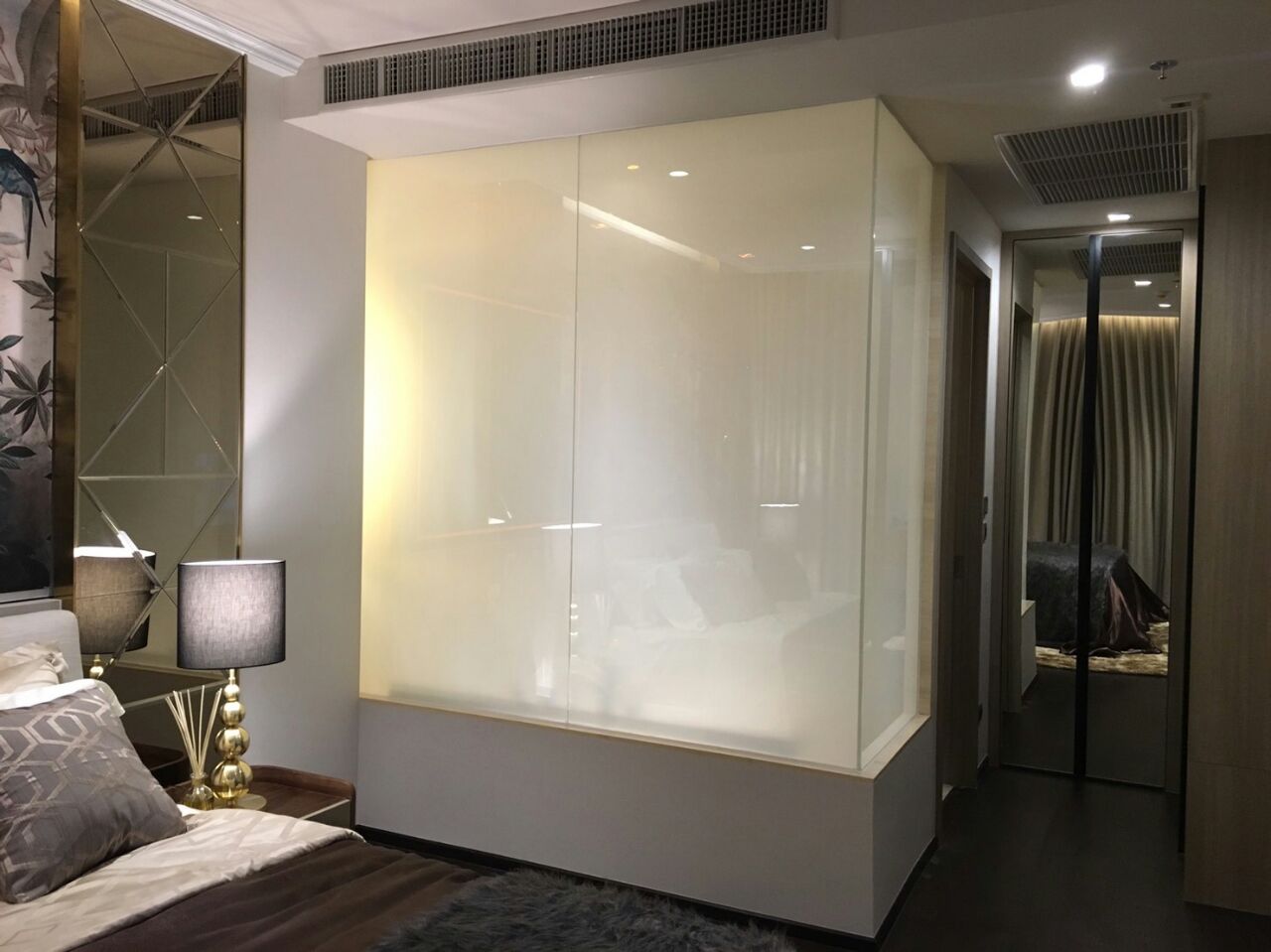
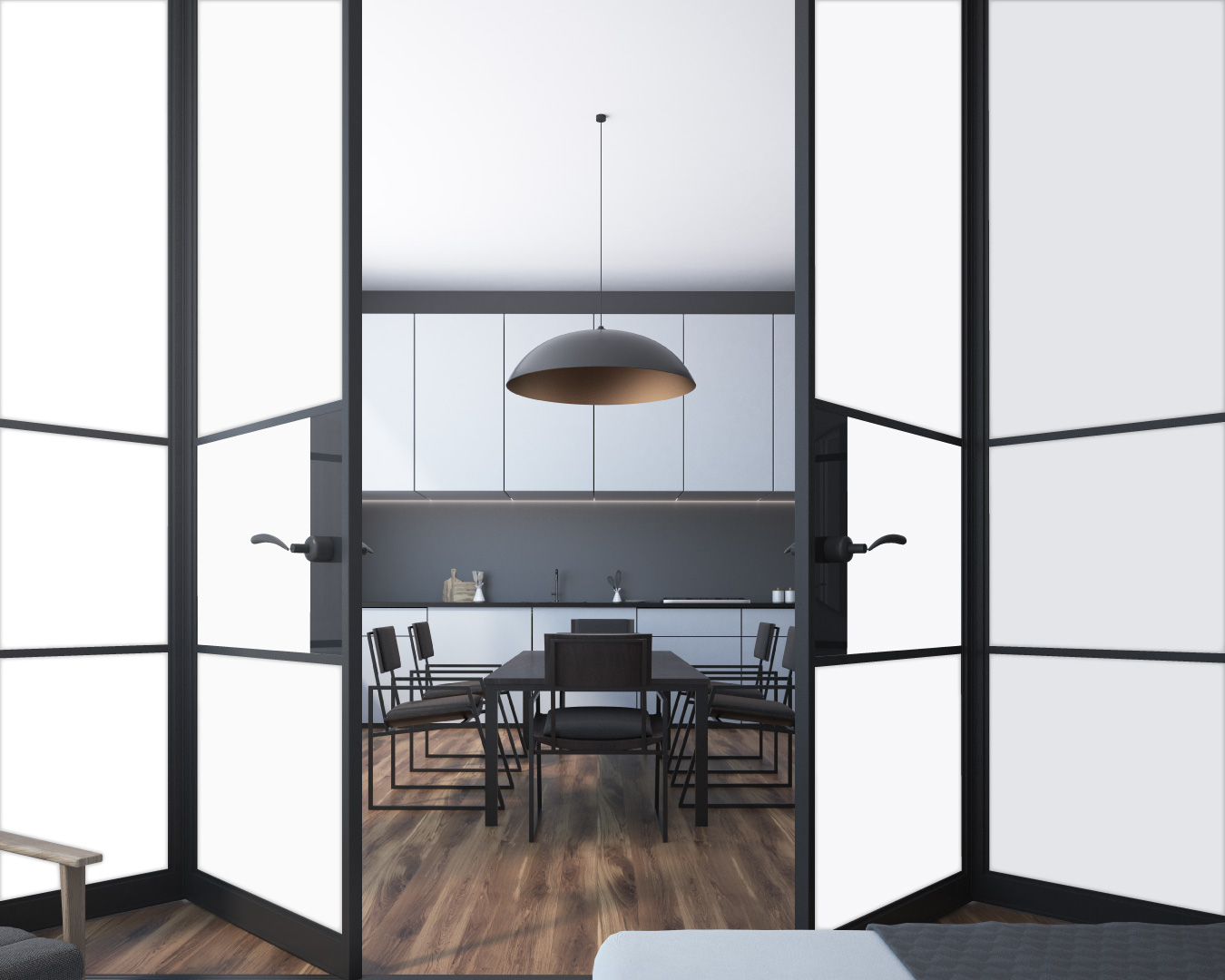
Privacy glass, also known as switchable glass or smart glass, is a state-of-the-art glazing technology that can transition from transparent to opaque at the touch of a button. Utilising advanced technologies such as liquid crystal, electrochromic, or suspended particle devices, privacy glass offers a dynamic solution for managing visibility and privacy in various settings. When specifying, balance advantages with the practical considerations in smart glass disadvantages.
Enhancing Confidentiality in Financial Institutions
Protecting Sensitive Information
Financial institutions handle a vast amount of sensitive information daily, from personal client details to confidential business transactions. Privacy glass provides an effective way to safeguard this information. In areas where sensitive discussions or transactions occur, such as meeting rooms and private offices, the glass can be switched to opaque, ensuring that unauthorised individuals cannot see or overhear confidential information. See our sector overview: the advantages of privacy glass for financial services offices.
Secure Transaction Areas
Transaction counters and teller stations are critical points of interaction between clients and bank staff. Privacy glass can be utilised to create secure zones around these areas, providing an additional layer of privacy during financial transactions. This not only enhances security but also instils confidence in clients, knowing that their personal information is protected—central to secure banking infrastructure.
Flexible and Adaptable Spaces
The versatility of privacy glass allows financial institutions to create flexible and adaptable spaces. Meeting rooms can transform from open and collaborative areas to private and secure environments with the flick of a switch. This adaptability supports various functions and client needs, enhancing the overall efficiency and usability of the space, and aligns with optimising bank layouts with privacy glass.
Aesthetic and Practical Benefits
Modern Design Appeal
In addition to its functional advantages, privacy glass contributes to a sleek and modern aesthetic. Its clean lines and contemporary appearance align with the high standards of design expected in financial institutions. This modern look can enhance the overall atmosphere, making the space more inviting and professional. More workplace applications are covered in intelligent glass in office spaces.
Energy Efficiency
Many types of privacy glass also offer energy-efficient properties. By improving insulation and reducing the need for artificial lighting, privacy glass can help financial institutions lower their energy consumption and operational costs. This contributes to sustainability goals and supports a more environmentally friendly approach to building design—one of the key smart glass benefits.
Conclusion
Privacy glass is a crucial innovation for financial institutions looking to enhance confidentiality, security, and aesthetic appeal. By integrating privacy glass into their design, banks and other financial entities can create secure environments that protect sensitive information and meet regulatory requirements. For architects, building planners, and stakeholders in the UK banking sector, privacy glass offers a forward-thinking solution that supports both functional and design objectives. For deeper dives, explore advantages for financial services offices and strategic bank layouts, balanced with smart glass disadvantages.
As the financial industry continues to evolve, embracing cutting-edge technologies like privacy glass will ensure that institutions remain secure, efficient, and client-focused in an increasingly competitive landscape.
Who We Are
Tecdur is the leading manufacturer of smart glass for the UK and Ireland. Tecdur Switchable Glass provides the best clarity, lowest power consumption and lowest haze currently available. We can offer a wide range of specifications to meet project requirements with our switchable glass, cost is dependent on specification, application and design. Please get in contact with us to discuss further.
Please visit our portfolio for a look at completed projects. Keep up to date on our LinkedIn Showcase page


Frequently asked Questions

Our privacy glass works by utilising advanced PDLC (Polymer Dispersed Liquid Crystal) film. When an electrical current is applied, the liquid crystal molecules align, allowing light to pass through, making the glass transparent. When the current is switched off, the molecules mis-align, causing the glass to turn opaque or translucent, providing privacy.
Privacy glass enhances confidentiality by creating visual barriers that prevent unauthorised individuals from observing sensitive discussions and transactions. This is particularly important in areas such as meeting rooms, private offices, and transaction counters, where client information needs to be protected.
Yes, privacy glass can be easily integrated into both new and existing building designs. It is available in various styles and can be customised to fit different architectural requirements. This flexibility makes it a viable solution for enhancing security and privacy in financial institutions of all types.
Many types of privacy glass offer energy-efficient properties, such as improved insulation and the ability to reduce the need for artificial lighting. These features help financial institutions lower their energy consumption and operational costs, contributing to sustainability goals and environmentally friendly building design.
Privacy glass contributes to a modern and sleek design, enhancing the visual appeal of financial institutions. Its ability to switch between transparent and opaque states provides a dynamic aesthetic that aligns with contemporary architectural trends, creating a professional and inviting atmosphere for clients and staff.