


Introduction
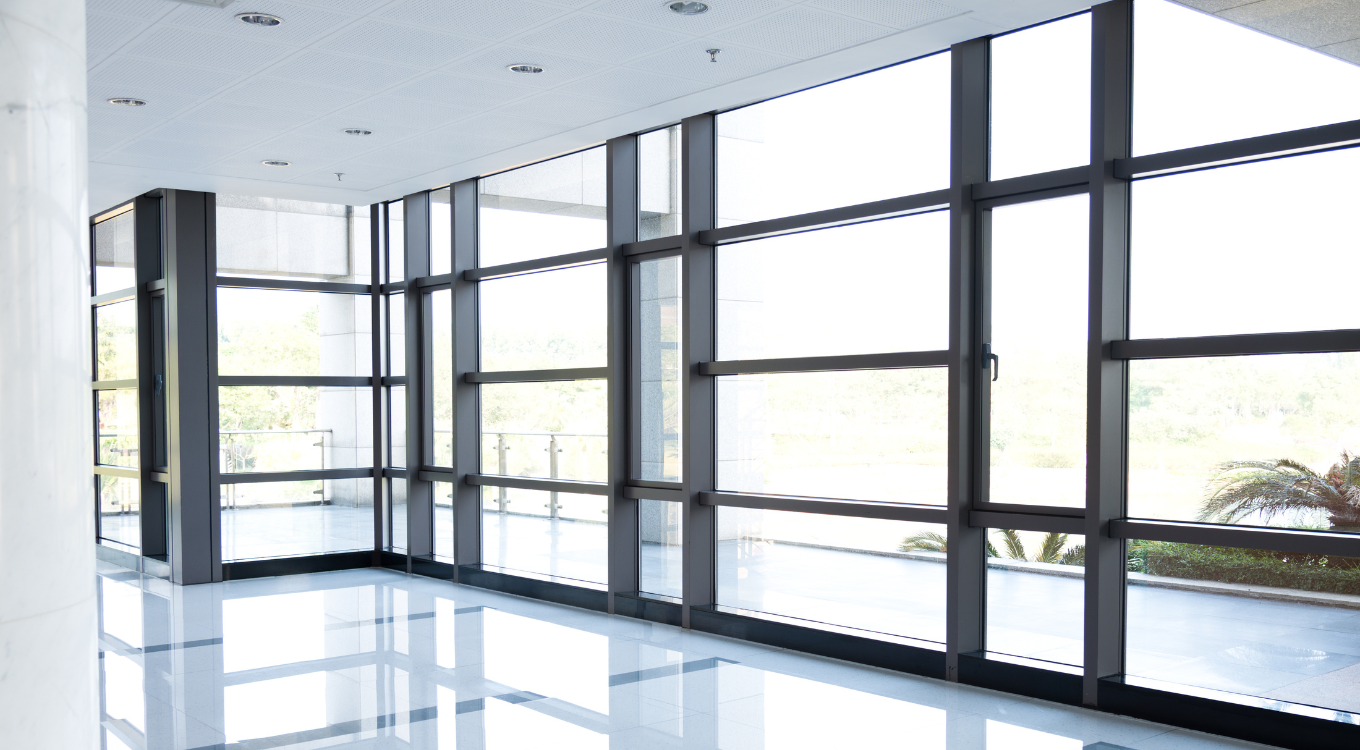
Switchable glass, also known as smart glass or privacy glass, is a revolutionary technology that has gained popularity in various industries. One particular application where switchable glass has made significant advancements is in home theatres. This innovative glass solution offers an array of benefits that can greatly enhance the home theatre experience. In this blog, we will explore the advantages of using switchable glass in home theatres, how it works, installation considerations, cost factors, and popular applications. For homeowners considering privacy beyond a cinema room, Tecdur also covers residential privacy glass and how to integrate smart glass in home interiors.

What is Switchable Glass?
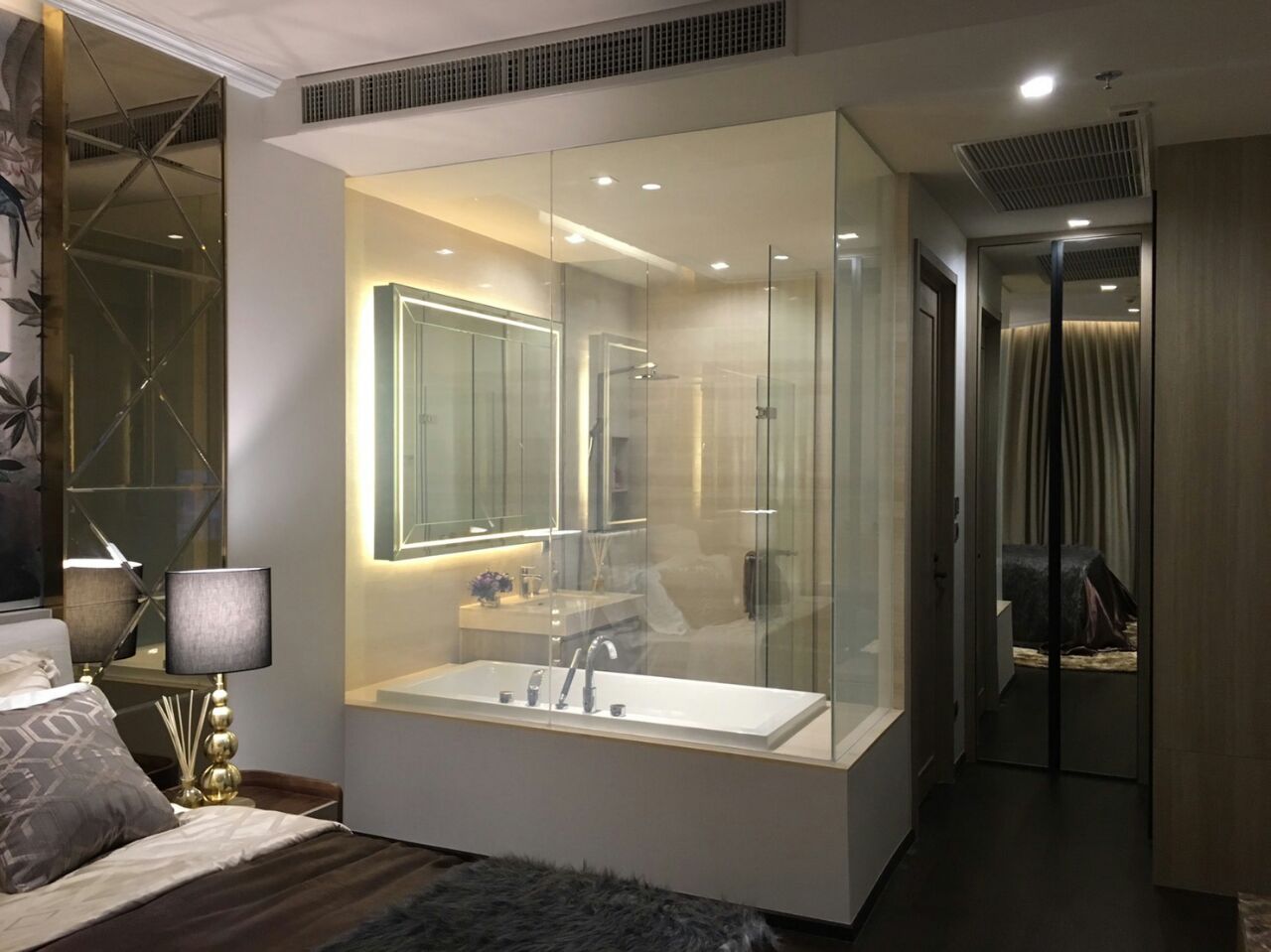
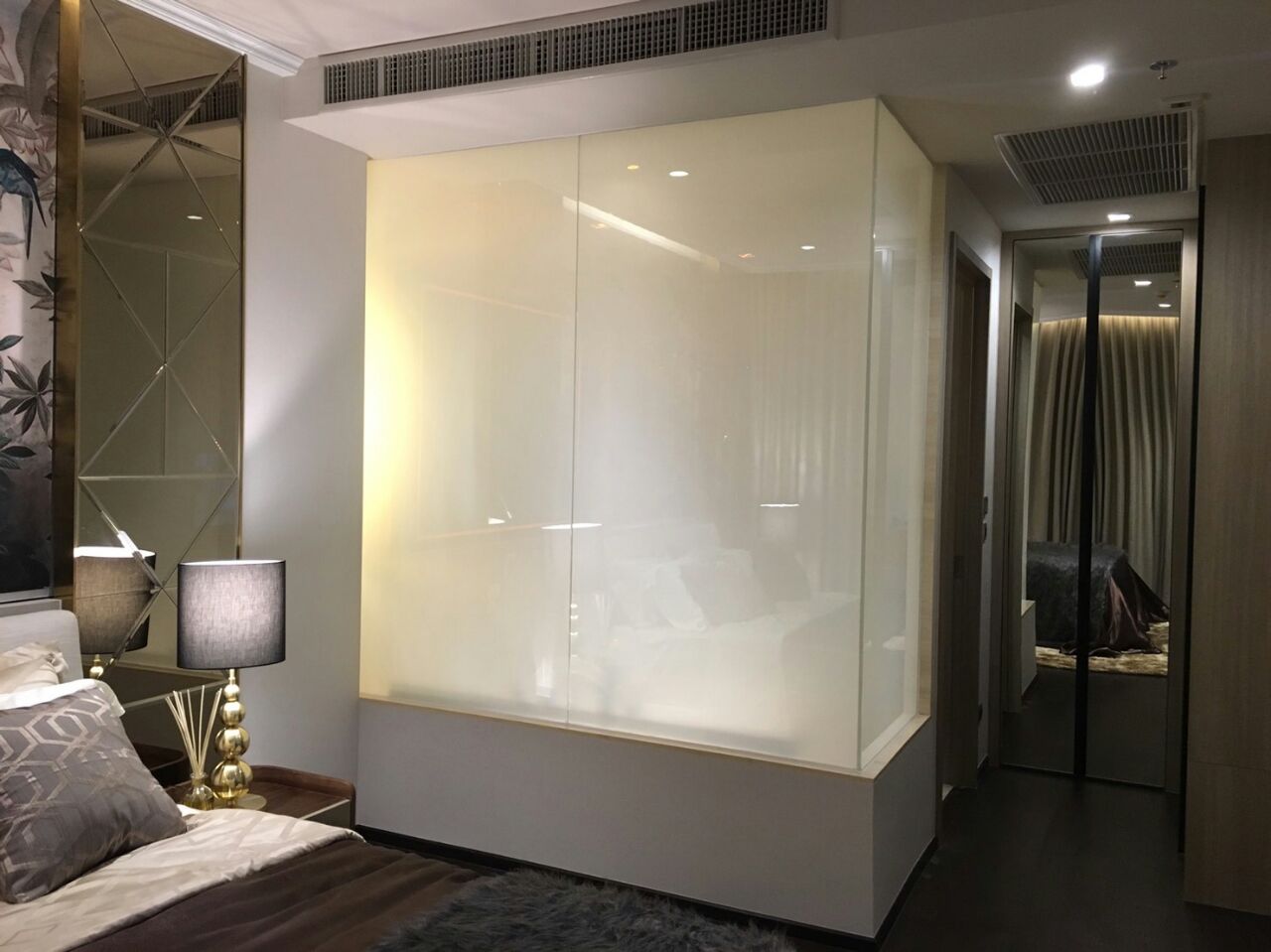
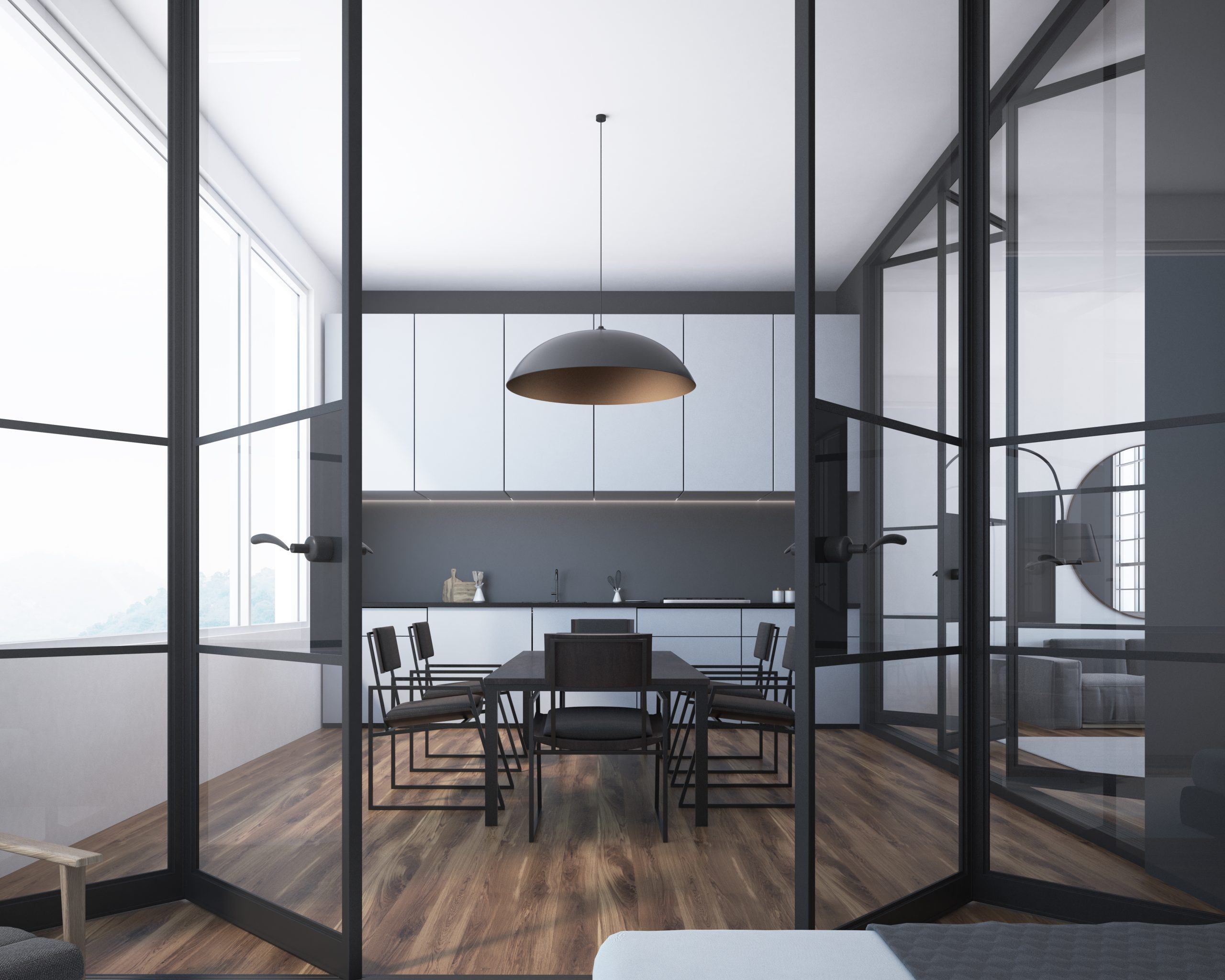
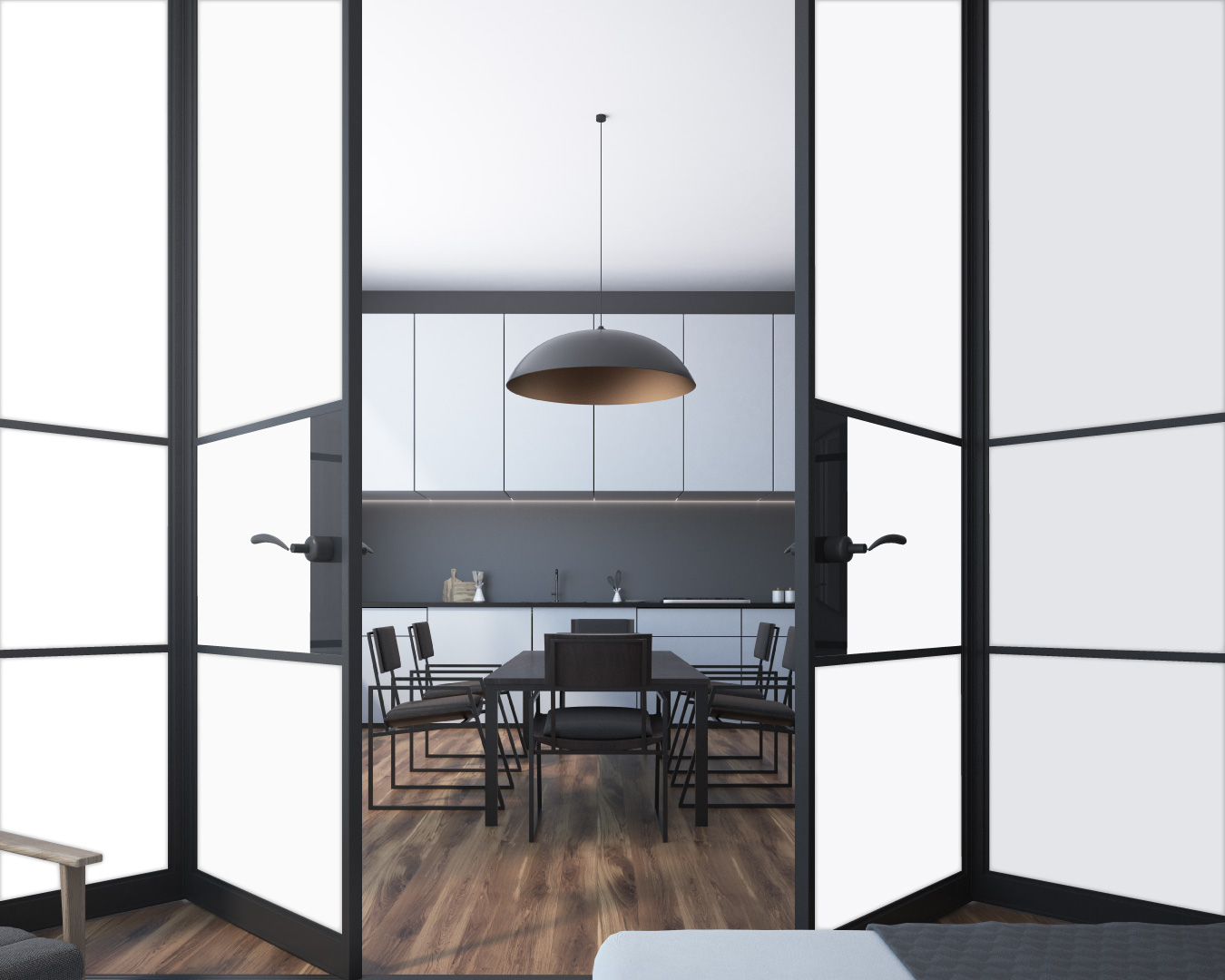
Switchable glass is a special type of glass that can change its transparency or opacity with the flick of a switch. It utilises advanced technologies such as electrochromic, polymer dispersed liquid crystal (PDLC), or suspended particle device (SPD) to control the amount of light passing through the glass. When the glass is switched on, it becomes transparent, allowing an unobstructed view. Conversely, when it is switched off, the glass turns opaque, providing privacy and blocking external light. For a broader technical overview, see Tecdur’s guide to switchable glass technology.
Benefits of Switchable Glass in Home Theatres
Enhanced Privacy
One of the primary advantages of switchable glass in home theatres is the ability to instantly create a private environment. With a simple switch, the glass can transition from transparent to opaque, preventing prying eyes from seeing inside the room. This feature is particularly useful when the home theatre is located in a shared space or visible from outside the house.
Versatile Lighting Control
Switchable glass allows homeowners to have precise control over the amount of natural and artificial light entering the home theatre. By adjusting the transparency of the glass, they can create the perfect lighting conditions for an immersive movie experience. Moreover, switchable glass can help reduce glare on screens, enhancing the overall viewing quality. Tecdur’s guide to the functional advantages of smart glass explores how this flexibility can support comfort, usability, and privacy across different spaces.
Space Optimisation
In many homes, space is a valuable commodity. Switchable glass can contribute to space optimisation by eliminating the need for curtains or blinds. Unlike traditional window coverings, switchable glass seamlessly integrates into the design of the home theatre without occupying additional space. This feature allows for a more streamlined and clutter-free environment. Homeowners comparing glazing with traditional coverings may also find this guide to privacy glass vs curtains helpful.
Aesthetic Appeal
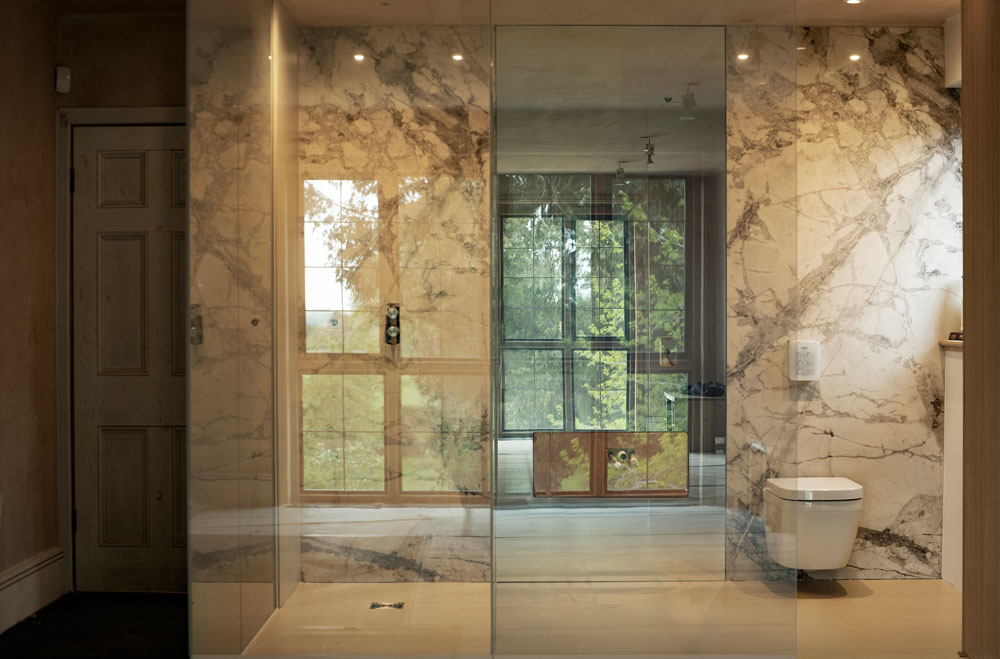
Switchable glass adds a touch of sophistication and modernity to any home theatre. Its sleek and contemporary appearance complements various interior design styles, making it an excellent choice for homeowners who value aesthetics. Additionally, switchable glass can be customised with patterns, colours, or even artwork, providing a unique and personalised touch to the space. It can also form part of wider smart glass interior design plans where privacy, light, and visual impact need to work together.
How Switchable Glass Works
Switchable glass operates on different technologies, each offering its unique advantages. Let’s explore the three main types of switchable glass technologies commonly used in home theatres:
Electrochromic Technology
Electrochromic switchable glass utilises a special electrochromic film that changes its light transmission properties when an electrical current is applied. The film is sandwiched between two layers of glass and is activated by a low-voltage electrical signal. When the current is applied, the molecules in the film rearrange, causing the glass to transition from transparent to opaque or varying levels of tint. For more information on related glazing technologies, read Tecdur’s comparison of electrochromic glass vs thermochromic glass.
Polymer Dispersed Liquid Crystal (PDLC) Technology
PDLC switchable glass consists of a polymer film embedded with liquid crystal droplets. When no voltage is applied, the liquid crystal droplets are randomly dispersed, causing the glass to appear opaque. However, when an electric current is applied, the droplets align, allowing light to pass through and rendering the glass transparent.
Suspended Particle Device (SPD) Technology
SPD switchable glass contains microscopic particles suspended in a liquid medium between two layers of glass. These particles are charged with electricity, and when a voltage is applied, they align themselves to allow light to pass through, resulting in a transparent state. Conversely, when the voltage is switched off, the particles become disorganised, scattering light and making the glass appear opaque.
Installation Process and Considerations
To ensure optimal performance and longevity, professional installation of switchable glass in home theatres is recommended. The installation process involves precise measurements, careful handling of the glass panels, and connecting the electrical components. Additionally, it is crucial to consider power supply requirements, as switchable glass requires a stable electrical source to function correctly. Tecdur’s guide to smart glass installation provides more detail on what to expect when planning a project.
Maintenance and care for switchable glass are relatively straightforward. Regular cleaning with non-abrasive materials and avoiding harsh chemicals will help preserve the glass’s quality. It is important to follow the manufacturer’s guidelines for cleaning and maintenance to ensure the longevity of the switchable glass system. For practical aftercare advice, see these privacy glass maintenance tips.
Cost of Switchable Glass
The cost of switchable glass for home theatres can vary depending on several factors. The size of the glass panels, the chosen technology, the complexity of the installation, and any additional customisation options will influence the overall cost. While switchable glass may have a higher upfront investment compared to traditional glass, it offers long-term benefits that justify the expense. Homeowners should consider the return on investment (ROI) in terms of improved comfort, energy efficiency, and enhanced aesthetics. For a more detailed overview, Tecdur’s switchable privacy glass cost breakdown explains the main pricing factors in more depth.
Popular Applications of Switchable Glass
Switchable glass is not limited to home theatres; it has gained popularity in various applications. Some popular uses include:
Conference Rooms
Switchable glass provides privacy during meetings and presentations while maintaining an open and collaborative workspace when transparency is desired. With the ability to switch between transparent and opaque modes, conference rooms can adapt to different scenarios, creating an ideal environment for productive discussions. Tecdur also explains the benefits of switchable privacy glass for conference rooms in more detail.
Retail Spaces
In retail environments, switchable glass can be used to create dynamic storefront displays. By switching the glass from opaque to transparent, retailers can showcase products or promotions while still maintaining privacy during closing hours. This versatility allows for creative visual merchandising while ensuring security when needed. For more commercial inspiration, read about innovative uses of privacy glass in retail stores.
Healthcare Facilities
Switchable glass finds valuable applications in healthcare facilities, where privacy and patient comfort are crucial. It can be used in hospital rooms, consultation areas, or surgical suites to provide privacy for patients and medical professionals while maintaining an open and bright atmosphere when required. The ability to control light and visibility contributes to a more soothing and efficient healthcare environment. Tecdur’s guide to privacy glass for medical facilities explores how this technology supports patient dignity, hygiene, and confidentiality.
In conclusion, Switchable glass offers an array of benefits that make it an ideal choice for home theatres. Its ability to provide enhanced privacy, versatile lighting control, space optimisation, and aesthetic appeal sets it apart from traditional glass solutions. By understanding how switchable glass works, considering the installation process, and assessing the cost factors, homeowners can make informed decisions when integrating this innovative technology into their home theatres. Whether for personal enjoyment or entertainment with friends and family, switchable glass transforms the home theatre experience into a captivating and immersive journey.
Related Smart Glass Guides
For further reading, explore Tecdur’s guides to switchable glass doors, smart glass shower doors, the best privacy glass for home windows, and the pros and cons of switchable privacy glass.
Who We Are
Tecdur is the leading manufacturer of smart glass for the UK and Ireland. Tecdur Switchable Glass provides the best clarity, lowest power consumption and lowest haze currently available. We can offer a wide range of specifications to meet project requirements with our switchable glass, cost is dependent on specification, application and design. Please get in contact with us to discuss further.
Please visit our portfolio for a look at completed projects. Keep up to date on our LinkedIn Showcase page


Frequently asked Questions

Our privacy glass works by utilising advanced PDLC (Polymer Dispersed Liquid Crystal) film. When an electrical current is applied, the liquid crystal molecules align, allowing light to pass through, making the glass transparent. When the current is switched off, the molecules mis-align, causing the glass to turn opaque or translucent, providing privacy.
Yes, switchable glass can be customised to fit large windows and can provide the same benefits of privacy, lighting control, and aesthetics.
Yes, switchable glass can be retrofitted into existing structures, but it is recommended to consult with professionals to assess the feasibility and ensure a proper installation.
Yes, switchable glass can contribute to energy efficiency by controlling the amount of natural light entering the room, reducing the need for artificial lighting, and minimising heat gain or loss.
Yes, switchable glass systems can be integrated with smart home automation systems, allowing remote control via mobile devices or voice commands.
Switchable glass offers enhanced privacy when switched to the opaque mode, blocking visibility from outside. However, it is essential to ensure that the glass is properly switched off when privacy is desired.