



Introduction
Confidentiality sits at the heart of every successful financial relationship. From private wealth consultations and corporate lending negotiations to mergers, acquisitions and high-stakes boardroom strategy, financial institutions must protect sensitive discussions from visual intrusion and potential data breaches.
Privacy glass is transforming how banks and financial services firms manage these risks. By enabling spaces to switch from open and transparent to fully private in seconds, Tecdur Privacy Glass gives institutions a smarter way to secure conversations, build client trust and support regulatory compliance across the UK.

Understanding Privacy Glass Technology
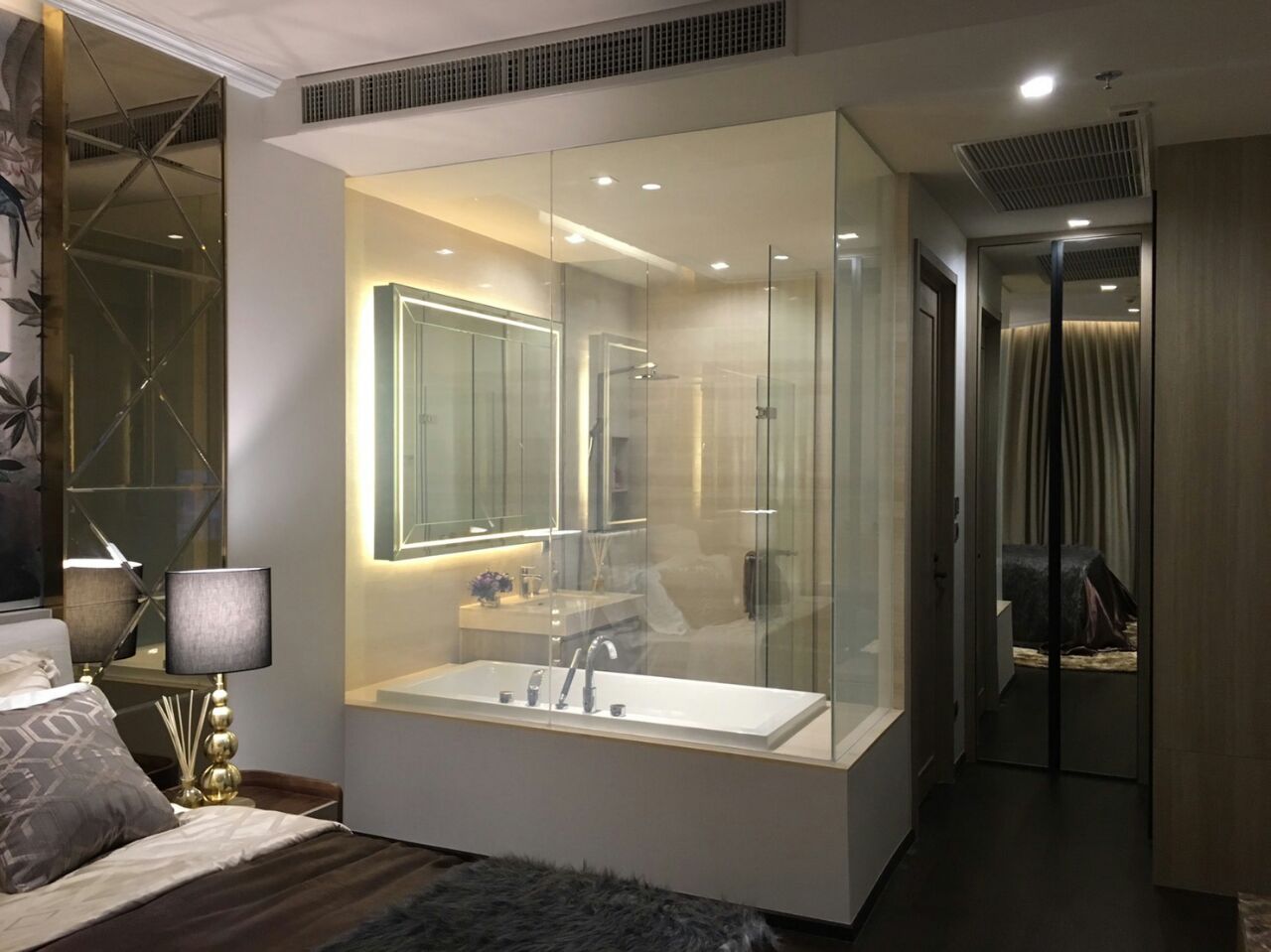
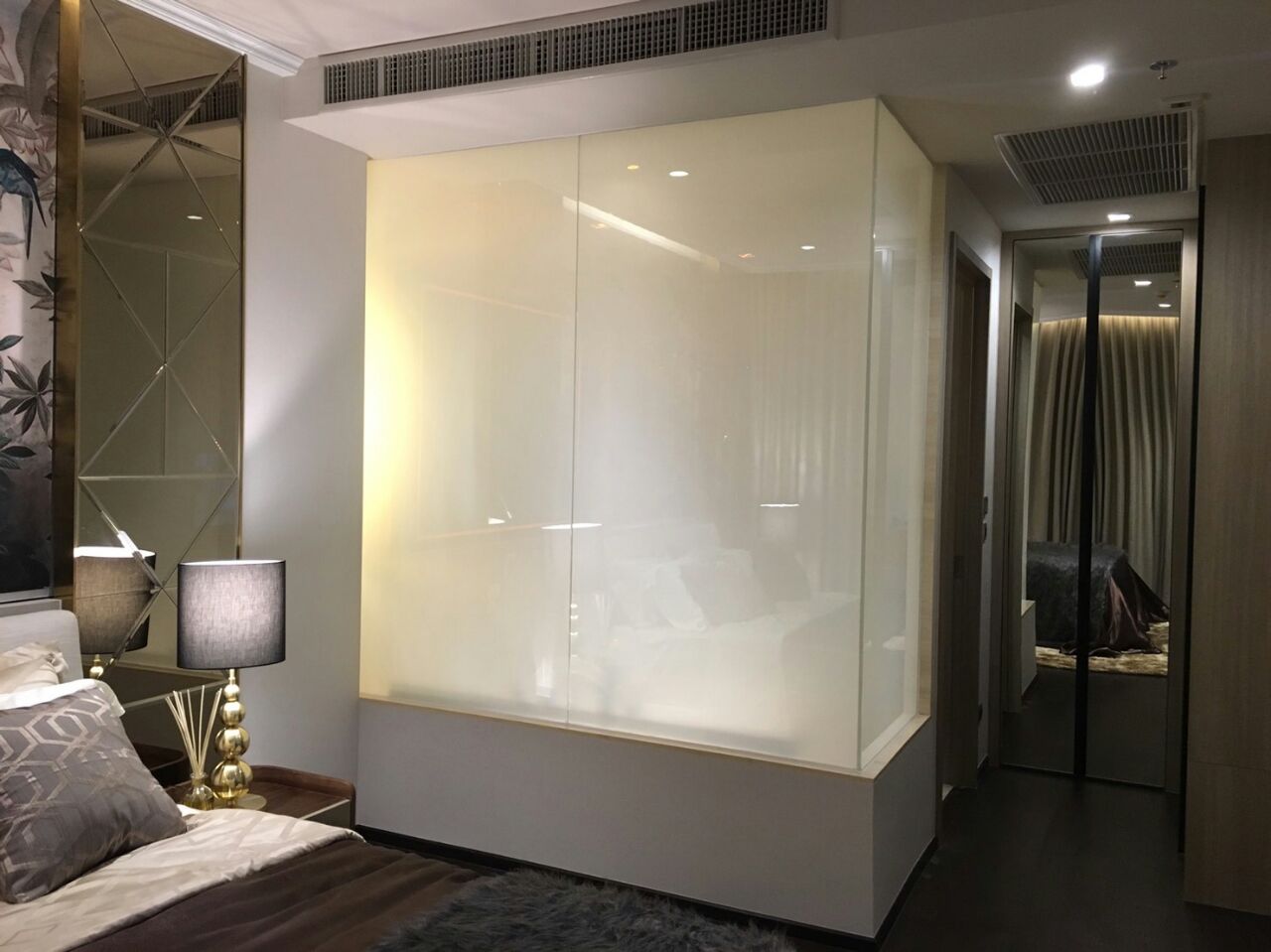
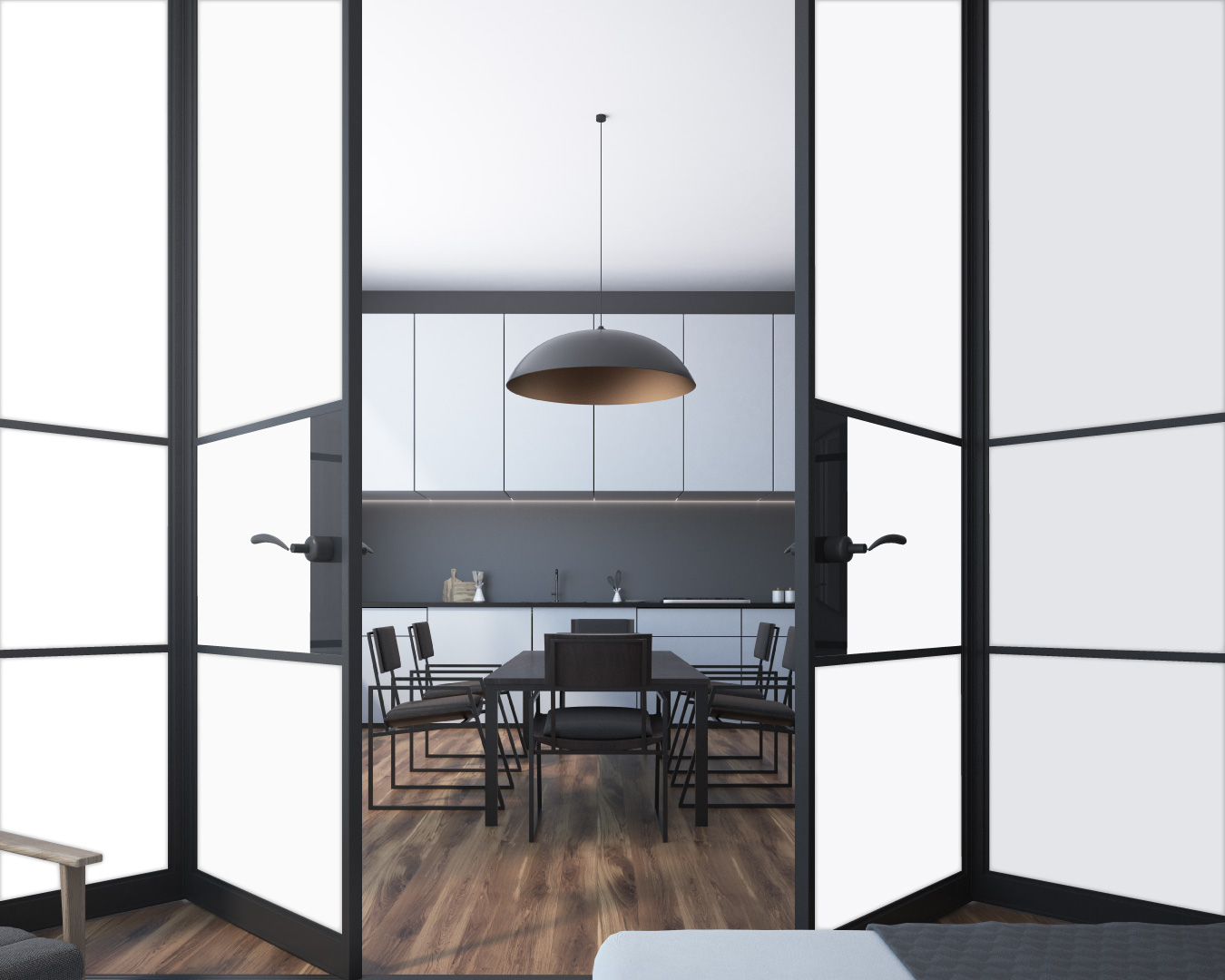
Privacy glass – often called switchable or smart glass – uses an active interlayer to change from clear to opaque at the touch of a button. In its transparent state, it looks like standard glazing, allowing natural light and visual connection. When switched to privacy mode, the interlayer scatters light, turning the glass into a smooth, opaque screen that blocks views while still diffusing daylight.
Modern privacy glass technology can be:
- Electrically switchable – using PDLC or similar films powered by a low-voltage supply.
- Integrated with smart window systems – linked to building automation and AV controls for one-touch meeting room setups.
- Customised for finance environments – combined with acoustic laminates, security glass or fire-rated systems where required.
Why Privacy Glass Matters in Financial Discussions
Financial institutions handle some of the most sensitive conversations in any sector. Whether it’s high-net-worth wealth planning, corporate refinancing, trading strategies or internal risk reviews, visual privacy is non-negotiable. Privacy glass directly supports this by:
- Shielding sensitive material – preventing passers-by or neighbouring teams from viewing screens, documents or whiteboards.
- Protecting client identities – particularly in VIP, private banking or dispute resolution suites where discretion is essential.
- Reducing visual hacking risk – supporting a layered approach to security alongside access control and digital protections.
- Supporting “closed door” moments – instantly turning open-plan spaces into secure, focused zones for critical decisions.
In high-stakes financial meetings, a quick switch to privacy mode can be the difference between a controlled, compliant environment and avoidable exposure.
Key Benefits for Financial Institutions
Adopting privacy glass across banking and financial services offices delivers a range of strategic advantages:
- Enhanced confidentiality: Sensitive discussions, from client onboarding to deal negotiation, are shielded from visual intrusion, reinforcing your reputation for discretion.
- Regulatory support: Solutions such as privacy glass for client confidentiality help align physical environments with GDPR, FCA and internal information security policies.
- Improved client experience: The ability to “close” a space instantly gives clients visible assurance that their affairs are treated with care.
- Flexible use of space: Switch from open and collaborative to secure and private in seconds, maximising real estate in premium urban locations.
- Modern, high-value aesthetics: Sleek glass façades and internal partitions support contemporary financial services offices without cluttered blinds or heavy partitions.
Where Privacy Glass Adds the Most Value
Privacy glass can be deployed across a range of financial settings to create secure, adaptable environments:
- Boardrooms and strategy suites
Ideal for high-stakes financial meetings, M&A discussions and executive reviews, where both transparency and confidentiality are required at different times. - Client consultation rooms
Wealth management, private banking and corporate advisory spaces benefit from instant privacy for sensitive negotiations while retaining daylight and prestige finishes. - Internal risk and compliance offices
Protecting ongoing investigations, audit reviews and risk modelling sessions from unauthorised visual access. - Trading floors and analytics hubs
Creating “glass box” rooms for restricted projects, proprietary strategies or confidential briefings within otherwise open-plan trading environments. - Secure transaction and signing rooms
Supporting secure financial transactions where contracts are physically signed or high-value deals are concluded.
Designing Financial Spaces with Privacy and Natural Light
Traditionally, improving confidentiality meant sacrificing openness and daylight. With privacy glass, financial institutions no longer have to choose. Similar to the approach used in urban developments maximising natural light, banks can:
- Use glass for internal partitions to carry daylight into the centre of the floorplate while preserving the option for full privacy during meetings.
- Maintain visual transparency in client corridors and waiting areas until a meeting begins, then switch to privacy mode once discussions start.
- Integrate branding with etched logos or printed interlayers that remain visible in both clear and opaque states.
This approach supports modern workplace expectations: open, bright and collaborative day to day – with secure, enclosed spaces available instantly for high-sensitivity work.
Practical Considerations for Banks and Financial Offices
To get the most from privacy glass in financial environments, it’s important to consider:
- Acoustic performance: Combine privacy glass with acoustic laminates, seals and ceilings to ensure conversations are both unseen and unheard.
- Integration with AV and controls: Link privacy glass to meeting room control panels so lighting, blinds (if used), displays and glass all respond to one-touch “presentation”, “video call” or “confidential” modes.
- Security systems: Coordinate with access control, CCTV and alarm strategies to build a layered, resilient security posture.
- Maintenance and reliability: Choose proven systems with low power consumption and high clarity, backed by a specialist supplier experienced in financial sector applications.
Building Client Trust in High-Stakes Meetings
In high-stakes financial meetings, details matter. Clients notice whether the space feels secure, considered and professional. Privacy glass in high-stakes environments sends a clear, visible signal:
- That the institution has invested in modern, purpose-built confidentiality measures.
- That discussions are shielded from surrounding teams, visitors and other clients.
- That privacy is not an afterthought but a core part of the firm’s culture and infrastructure.
This perception of care and control directly supports stronger relationships, better client retention and a competitive edge in attracting new business.
Conclusion
Privacy glass has become a key tool for financial institutions that take confidentiality, client trust and regulatory compliance seriously. By enabling instant control over visibility without sacrificing natural light or design quality, it allows banks and financial services firms to create spaces that are both open and secure, flexible and controlled.
From secure boardrooms and client consultation spaces to trading floors and executive suites, privacy glass elevates security in financial institutions while reinforcing a modern, professional image. As the sector continues to evolve, it will remain a critical component of future-ready, high-performance financial workplaces.
Who We Are
Tecdur is the leading manufacturer of smart glass for the UK and Ireland. Tecdur Switchable Glass provides the best clarity, lowest power consumption and lowest haze currently available. We can offer a wide range of specifications to meet project requirements with our switchable glass; cost is dependent on specification, application and design. Please get in contact with us to discuss further.
Please visit our portfolio for a look at completed projects. Keep up to date on our LinkedIn Showcase page.


Frequently asked Questions

Our privacy glass works by utilising advanced PDLC (Polymer Dispersed Liquid Crystal) film. When an electrical current is applied, the liquid crystal molecules align, allowing light to pass through, making the glass transparent. When the current is switched off, the molecules mis-align, causing the glass to turn opaque or translucent, providing privacy.
Privacy Glass utilises an electrical current to change its transparency, providing instant privacy when needed.
Yes, certain types of Privacy Glass can be controlled remotely via smart systems, offering convenience and flexibility.
Some Privacy Glass technologies offer additional insulation properties, contributing to energy efficiency within buildings.
Yes, Privacy Glass can be customised to fit large meeting rooms, ensuring privacy during important discussions.