


Introduction
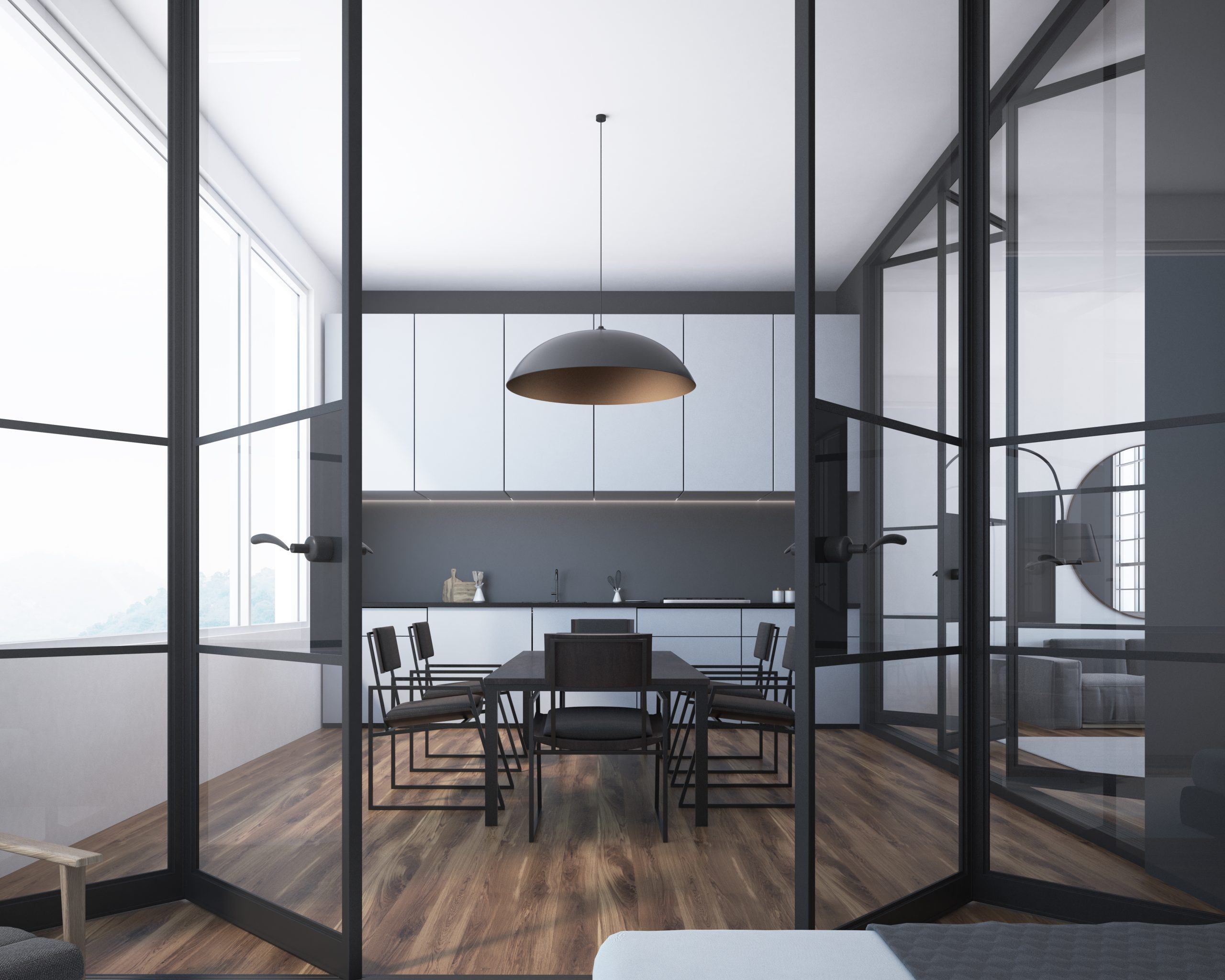
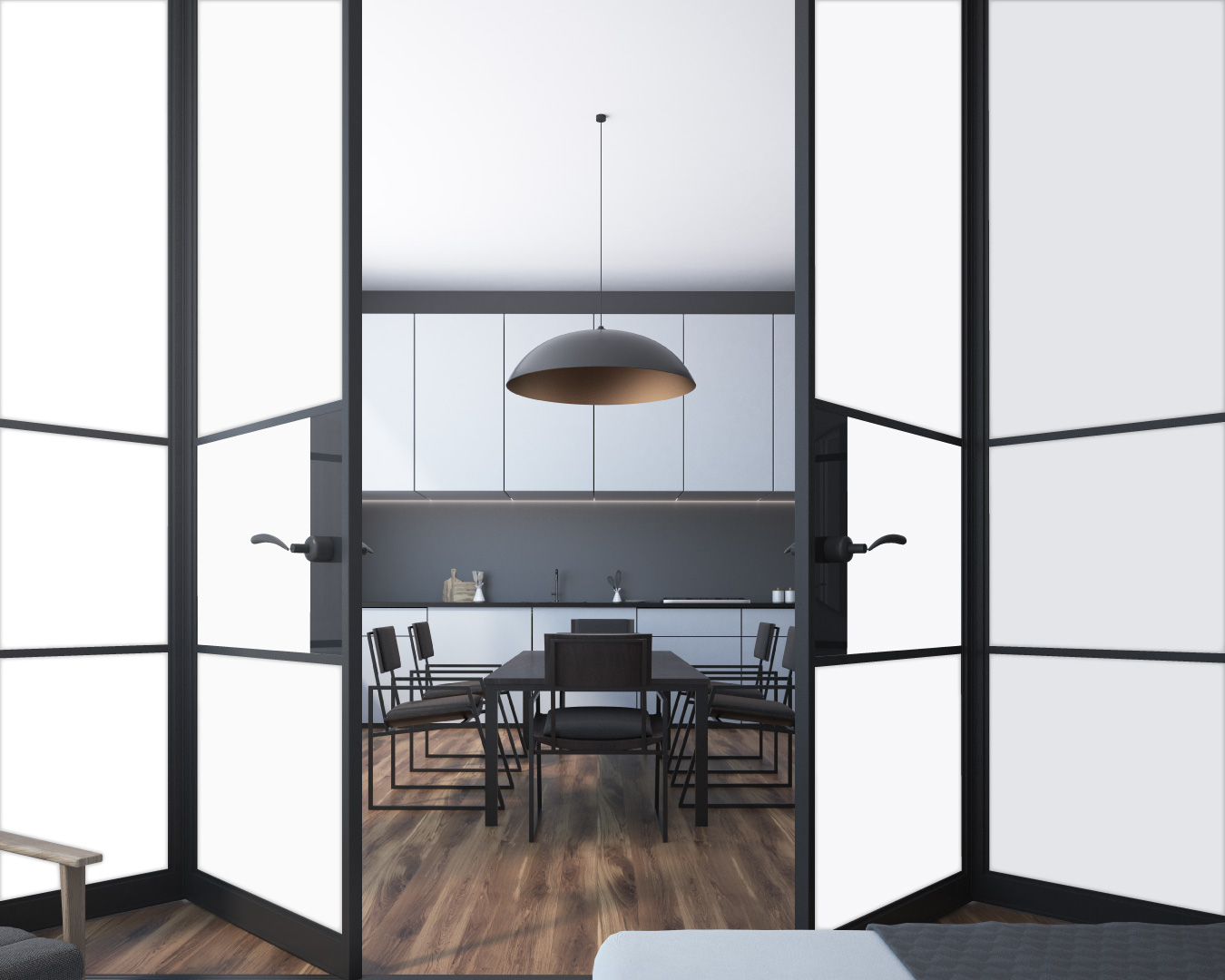
Switchable glass, also known as smart glass or privacy glass, is a versatile and innovative solution that offers privacy control at the flick of a switch. Its unique ability to transition from transparent to opaque makes it an ideal choice for various applications, including residential, commercial, and healthcare settings. In this blog, we will explore the installation process behind switchable glass and its benefits within differing industries. For readers still assessing suitability before installation, Tecdur also explains whether switchable privacy glass is right for your project and which switchable privacy glass features matter most.

What is Switchable Glass?
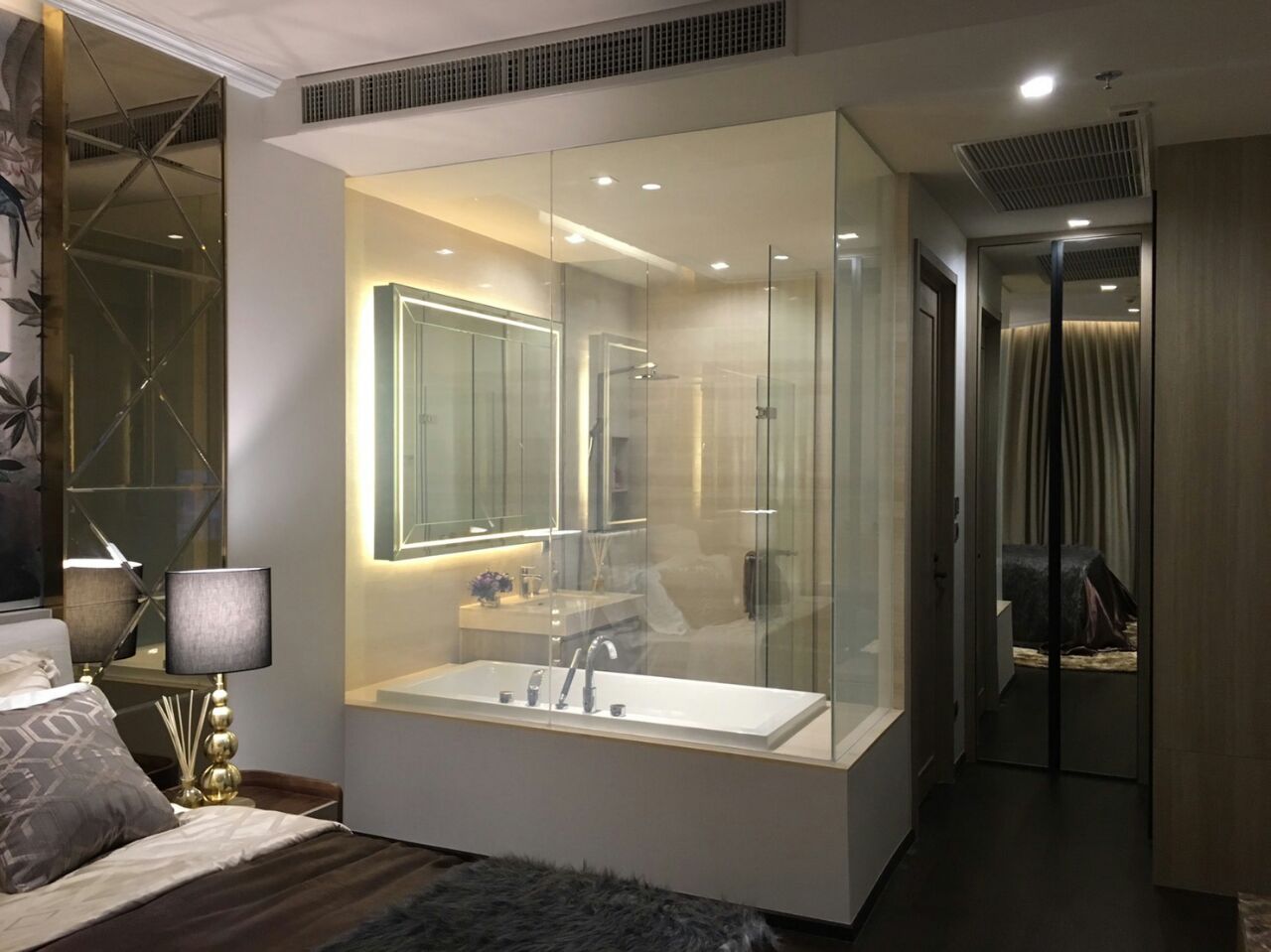
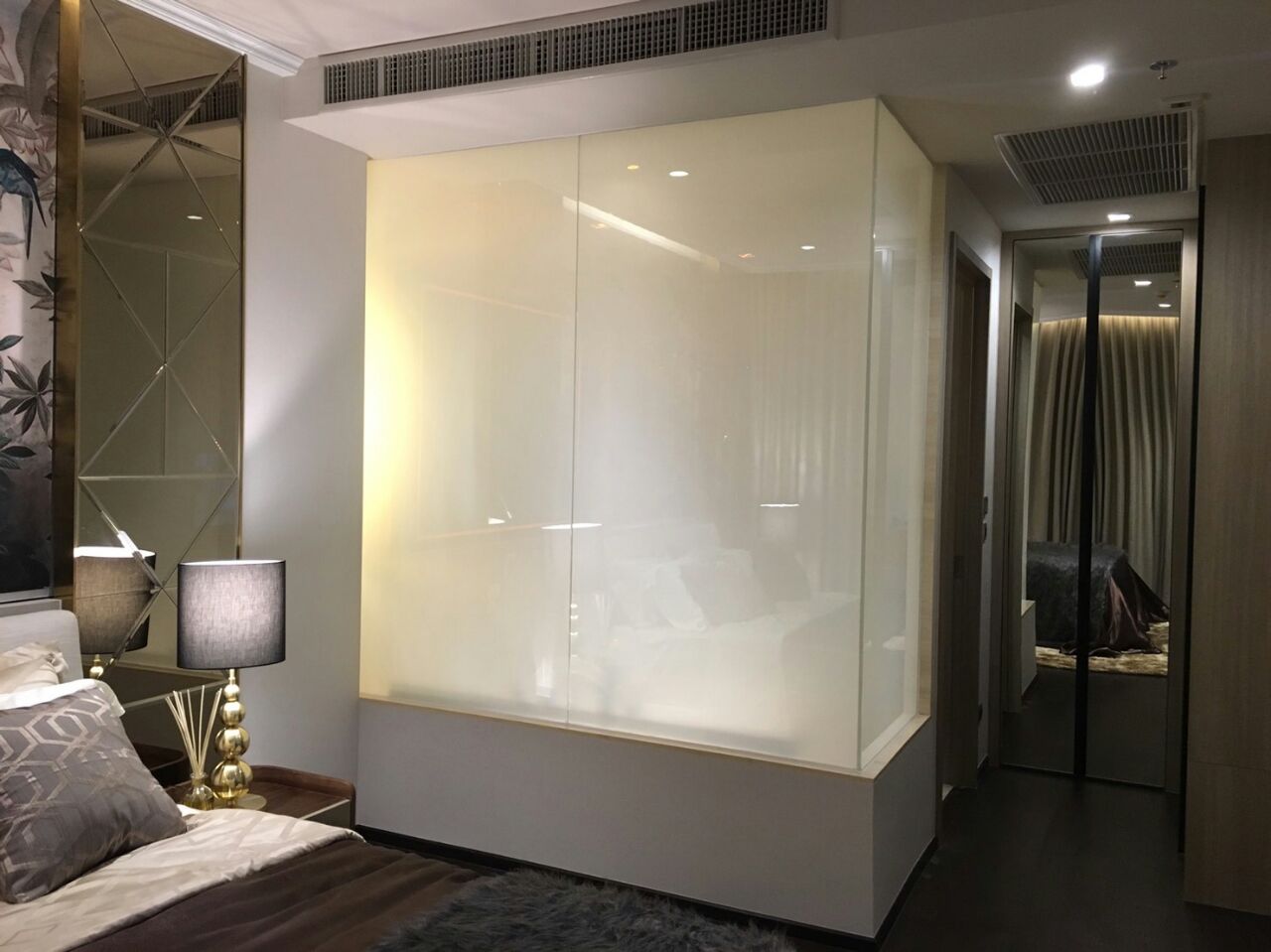
Switchable glass, at its core, consists of a glass panel with a polymer dispersed liquid crystal (PDLC). When the glass is switched off, the liquid crystals align in a way that scatters light, creating an opaque appearance. Conversely, when the glass is switched on, the liquid crystals align to allow light to pass through, resulting in a transparent view. Tecdur’s guide to what PDLC smart glass is and how it works explains this switching effect in more detail, while the article on switchable glass technology covers the wider systems behind smart glazing.
Benefits of Switchable Glass
Switchable glass offers numerous advantages over traditional glass and blinds. Let’s explore some of the key benefits:
- Privacy Control: Switchable glass provides instant privacy on demand, allowing users to obscure the view into a space with a simple flick of a switch. Tecdur’s guide to switchable glass privacy solutions explores how this works across different settings.
- Natural Light Optimisation: When in the transparent state, switchable glass maximises the entry of natural light, reducing the reliance on artificial lighting and creating a more comfortable environment.
- Space Flexibility: With the ability to transform from opaque to transparent, switchable glass offers flexible space division options without compromising the overall aesthetics.
- Energy Efficiency: Switchable glass can enhance energy efficiency by reducing heat gain and minimising the need for cooling systems, thereby lowering energy consumption and costs. Tecdur’s article on intelligent glass energy savings explains this benefit in more detail.
- Sound Insulation: The glass, when in the opaque state, also acts as a barrier to sound, providing improved acoustic insulation and privacy.
For a wider overview of the advantages, Tecdur also covers the functional advantages of smart glass and the pros and cons of switchable privacy glass.
Applications of Switchable Glass
Switchable glass finds applications in various sectors due to its versatility and functionality. Some common applications include:
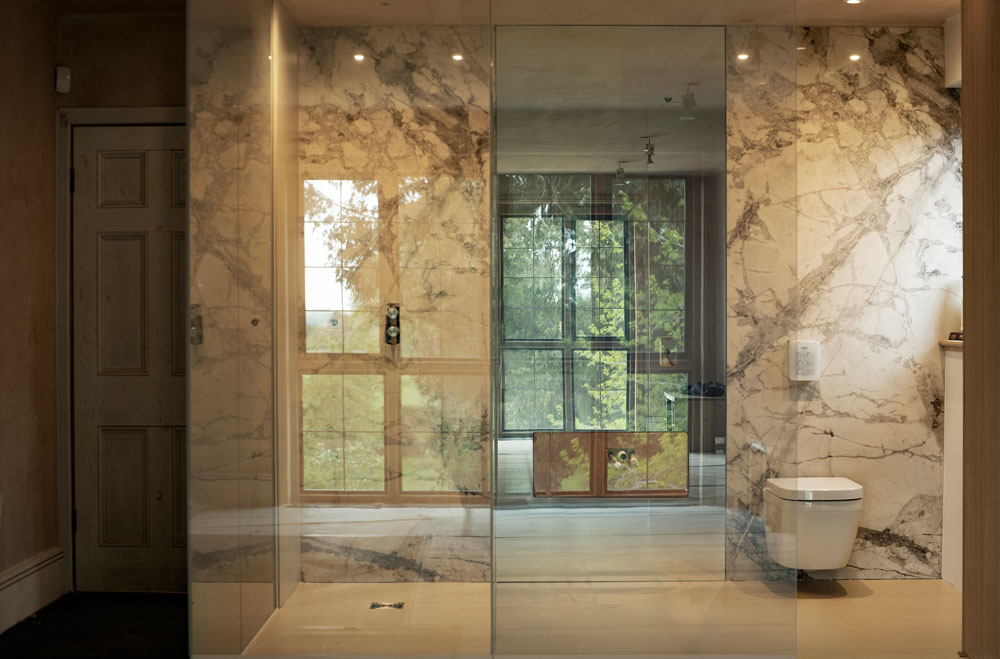
- Residential Spaces: Switchable glass can be used in bathrooms, bedrooms, and living areas to provide privacy without the need for curtains or blinds. For home projects, Tecdur also covers residential privacy glass, bathroom privacy glass, and privacy glass for home windows.
- Commercial Buildings: Offices, conference rooms, and storefronts can benefit from switchable glass, offering privacy for meetings and presentations while maintaining an open atmosphere. Relevant guides include switchable glass for office partitions, switchable privacy glass for conference rooms, and privacy glass solutions for modern office buildings.
- Healthcare Facilities: Hospitals and clinics often utilise switchable glass in patient rooms, operating theatres, and consultation areas to balance privacy and visibility. Tecdur’s healthcare articles explain privacy glass for medical facilities and protecting patient confidentiality with privacy glass.
- Hospitality Industry: Hotels and restaurants can utilise switchable glass for private dining areas, partition walls, and bathrooms, enhancing the guest experience. Tecdur also covers switchable privacy glass for hotels and switchable privacy glass for restaurants.
- Retail Environments: Switchable glass can be integrated into shopfronts and display cases, adding a modern touch while providing flexibility for visual merchandising. For more retail inspiration, read Tecdur’s guide to innovative uses of privacy glass in retail stores.
Understanding the Installation Process
Proper installation is crucial to ensure the functionality and longevity of switchable glass. Let’s delve into the step-by-step process. Tecdur’s guide to smart glass installation also provides practical guidance for planning a professional installation.
Step 1: Preparing the Surface
Before starting the installation, ensure that the surface where the switchable glass will be installed is clean, dry, and free from any dust or debris. Remove any existing window treatments or obstacles that may hinder the installation process.
Step 2: Measuring and Cutting the Glass
Accurate measurements are essential to ensure a perfect fit. Measure the dimensions of the window or desired area where the switchable glass will be installed. Once measured, the switchable glass can be cut to size by a professional glass supplier using specialised tools and techniques. Choosing experienced smart glass suppliers can help ensure the correct specification, sizing, and support for the project.
Step 3: Applying the Glass
Once the glass is cut to size, the next step is to apply the switchable glass. The glass is mounted to the appropriate frame, ensuring a smooth and hassle-free installation. Professional installers are trained to handle the glass properly, ensuring optimal performance.
Step 4: Testing and Calibration
Once the wiring is complete, the switchable glass system undergoes testing and calibration to ensure smooth operation. This involves checking the functionality of the glass, verifying the response time between states, and ensuring proper synchronisation with control devices.
Troubleshooting Common Issues
While switchable glass is a reliable and efficient solution, there may be occasional issues that arise. Here are some common problems and their troubleshooting steps:
- Poor Transparency: If the switchable glass appears hazy or unclear in the transparent state, it may be due to improper installation. Contact a professional installer to assess and rectify the issue. Tecdur’s article on smart glass disadvantages explains some of the practical limitations to consider before choosing a system.
- Electrical Malfunction: In case of electrical issues, such as the glass not switching between states or intermittent operation, check the wiring connections and power supply. Consult an electrician if necessary.
Maintenance and Care Tips
To ensure the longevity and optimal performance of switchable glass, consider the following maintenance and care tips:
- Regular Cleaning: Clean the glass surface with a non-abrasive, ammonia-free glass cleaner and a soft cloth. Avoid using harsh chemicals or abrasive materials that may damage the film or glass.
- Avoid Sharp Objects: Be cautious when handling objects near switchable glass to prevent scratching or damaging the surface. Use gentle cleaning tools and avoid sharp-edged items.
- Electrical Safety: If any electrical maintenance or repairs are required, ensure that the power supply is switched off and consult a qualified electrician.
- Professional Inspections: Periodically have the switchable glass system inspected by a professional to identify any potential issues and ensure proper functionality.
For more detailed aftercare advice, Tecdur’s guides to privacy glass maintenance tips, smart glass maintenance, and smart glass durability explain how to protect long-term performance.
Cost Considerations
The cost of switchable glass installation can vary depending on factors such as the size of the installation area, complexity of wiring, and additional customisation options. It is recommended to obtain quotes from reputable suppliers and installers to determine the specific cost for your project. Tecdur’s articles on how much smart glass costs, smart glass pricing, and the switchable privacy glass cost breakdown can help with early budget planning.
In conclusion, switchable glass offers a revolutionary way to control privacy and light transmission in various applications. By understanding the installation process and following proper maintenance guidelines, you can enjoy the benefits of switchable glass for years to come. Its versatility, energy efficiency, and aesthetic appeal make it a valuable addition to any space. For next-step guidance, Tecdur’s smart designer’s buyer’s guide to smart glass can help with specification, supplier selection, and project planning.
Related Switchable Glass Installation Guides
For further reading, explore Tecdur’s guides to smart glass retrofit projects, integrating smart glass in home interiors, choosing switchable privacy glass for your office, and privacy glass for commercial buildings.
Who We Are
Tecdur is the leading manufacturer of smart glass for the UK and Ireland. Tecdur Switchable Glass provides the best clarity, lowest power consumption and lowest haze currently available. We can offer a wide range of specifications to meet project requirements with our switchable glass, cost is dependent on specification, application and design. Please get in contact with us to discuss further.
Please visit our portfolio for a look at completed projects. Keep up to date on our LinkedIn Showcase page


Frequently asked Questions

Our privacy glass works by utilising advanced PDLC (Polymer Dispersed Liquid Crystal) film. When an electrical current is applied, the liquid crystal molecules align, allowing light to pass through, making the glass transparent. When the current is switched off, the molecules mis-align, causing the glass to turn opaque or translucent, providing privacy.
The installation time can vary depending on the size and complexity of the project. Smaller installations may take a few hours, while larger or more intricate projects could take a day or more.
Yes, switchable glass can be retrofitted into existing windows, making it a flexible option for upgrading privacy and functionality without replacing the entire window.
Yes, switchable glass can contribute to energy efficiency by reducing the need for artificial lighting and minimising heat gain, resulting in potential energy savings.
Switchable glass is primarily designed for indoor applications. However, there are specialised outdoor switchable glass options available for specific architectural requirements.
With proper installation and maintenance, switchable glass can have a lifespan of 10 to 20 years or more, depending on usage and environmental factors.