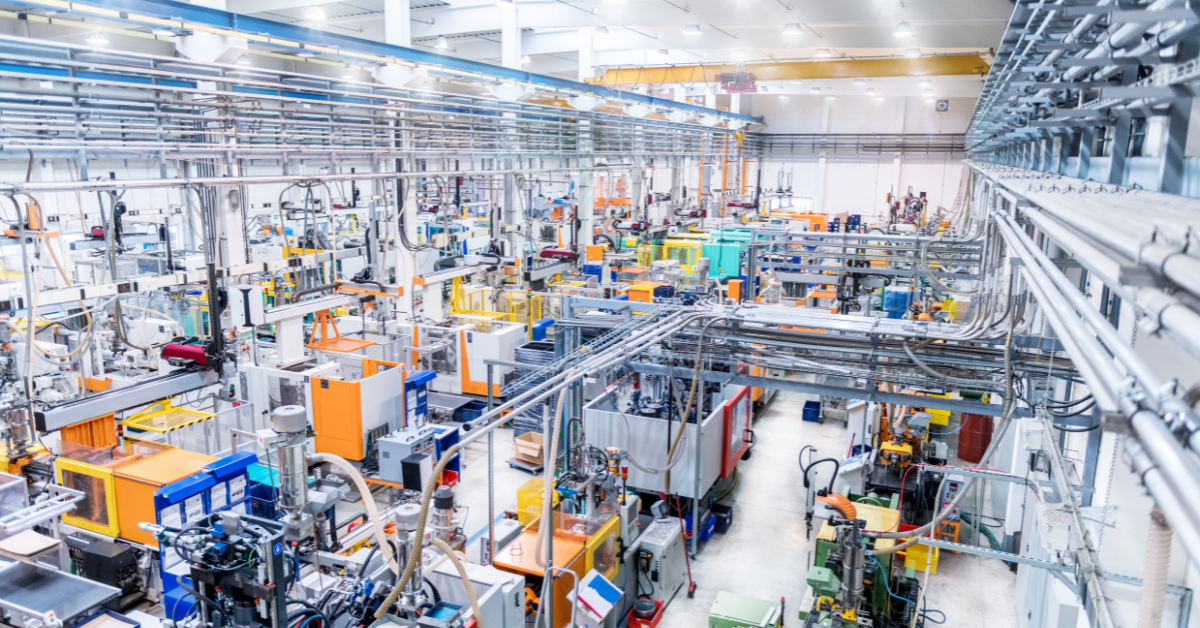



Step onto any modern high-output manufacturing floor across the UK, Ireland, or global markets, and you will see CNC milling machines and lathes operating at blistering speeds. To keep these high-energy cutting zones safe, machine enclosures rely heavily on clear viewing windows. For workshop managers, health and safety directors, and industrial procurement teams, these vision panels represent a critical safety barrier. However, a hidden hazard is silently compromising workshop floors worldwide: the rapid degradation of standard enclosure windows due to chemical exposure. To protect operators and maintain structural containment, choosing a chemically resilient, factory-certified cnc machine safety glass is an absolute necessity for modern machine shops.
While many engineering teams know that machine windows wear out over time, few realize the precise chemical mechanisms that cause this degradation. Understanding how cutting fluids interact with common shielding materials is key to preventing catastrophic failures on the shop floor.
The Chemistry of Conflict: Polycarbonate vs. Metalworking Fluids
For decades, monolithic polycarbonate sheets were the default choice for machine enclosure windows. On paper, it makes sense: brand-new polycarbonate boasts excellent impact strength and flexibility. However, the material possesses a major structural flaw—it is highly vulnerable to chemical attack.
In modern metalworking, CNC machines are continuously drenched in advanced cutting fluids, water-soluble coolants, and synthetic lubricants. These fluids are complex chemical cocktails containing sulfur, chlorine, phosphorus, and various emulsifying surfactants designed to reduce friction and dissipate heat during heavy cutting cycles.
When these chemicals pool on an unshielded polycarbonate window, they initiate a process known as environmental stress cracking (ESC). The cutting fluids slowly seep into the microscopic spaces between the polymer chains, breaking down the chemical bonds that give the plastic its strength.
[Cutting Fluid Exposure] ---> [Chemical Bond Disruption] ---> [Micro-Crazing & Haze] ---> [Brittle Embrittlement]
The Hidden Danger: Structural Embrittlement
The visible symptom of polycarbonate ageing is a phenomenon called micro-crazing. The surface of the window develops thousands of microscopic cracks that scatter ambient light. This creates a dense, milky haze that severely restricts visibility, making it incredibly difficult for an operator to track a precise machining sequence.
However, the invisible symptom is far more dangerous. As cutting fluids destroy the internal polymer chains, the polycarbonate loses its natural elasticity and undergoes brittle embrittlement.
-
The Reality: A brand-new polycarbonate panel can absorb massive kinetic energy by flexing under impact.
-
The Danger: An aged, chemically degraded polycarbonate panel loses up to 80% of its impact resistance. Within 18 to 24 months of continuous coolant exposure, the window becomes as brittle as glass, risking total shattering if hit by high-velocity swarf or a fractured tool piece.
Because of this hazard, international safety frameworks like BS EN ISO 16090 state that unshielded polycarbonate panels have a strict, limited operational shelf life and must be replaced frequently to maintain operator safety.
The Value Engineering Fix: Upgrading to Multi-Layered Glazing
For busy manufacturing facilities, treating machine windows as short-term consumables that require regular replacement leads to a continuous cycle of machine downtime, labor costs, and material waste.
To break this cycle, Tecdur engineered an advanced, multi-layered cnc machine safety glass solution that completely eliminates chemical ageing.
Our high-performance vision panels feature a robust, high-impact polycarbonate core that is completely sealed and laminated between outer layers of heavy-duty, chemically toughened glass.
This smart composite layout addresses the core issue directly:
1. Absolute Chemical Isolation
The inner glass layer acts as an impervious shield against aggressive cutting fluids, coolants, and oils. Because chemicals cannot reach the internal polycarbonate core, the polymer never degrades, retaining 100% of its factory impact protection over the long term.
2. Permanent Viewport Clarity
Unlike plastics, toughened glass resists scratching from sharp flying swarf and will never develop a chemical haze. Operators maintain a crystal-clear view of the workspace, eliminating the dangerous temptation to bypass safety interlocks to check on a part.
3. Certified High-Energy Containment
Leveraging Tecdur’s deep expertise in ballistic, blast, and high-impact defensive glazing, our specialized cnc machine safety glass lines are physically engineered to absorb massive kinetic impacts, providing premium, long-lasting safety that meets strict international standards.
Future-Proofing the Shop Floor
Investing in a factory-laminated safety window is a powerful piece of value engineering for modern machine shops. By completely blocking chemical degradation and ensuring permanent visual clarity, production plants can eliminate recurring material replacement costs, minimize maintenance downtime, and provide their machining teams with uncompromised physical defense.
To download technical specifications on chemical resistance, review impact test data, or order custom-dimensioned replacement vision panels for your CNC enclosures, contact the Tecdur engineering team today.