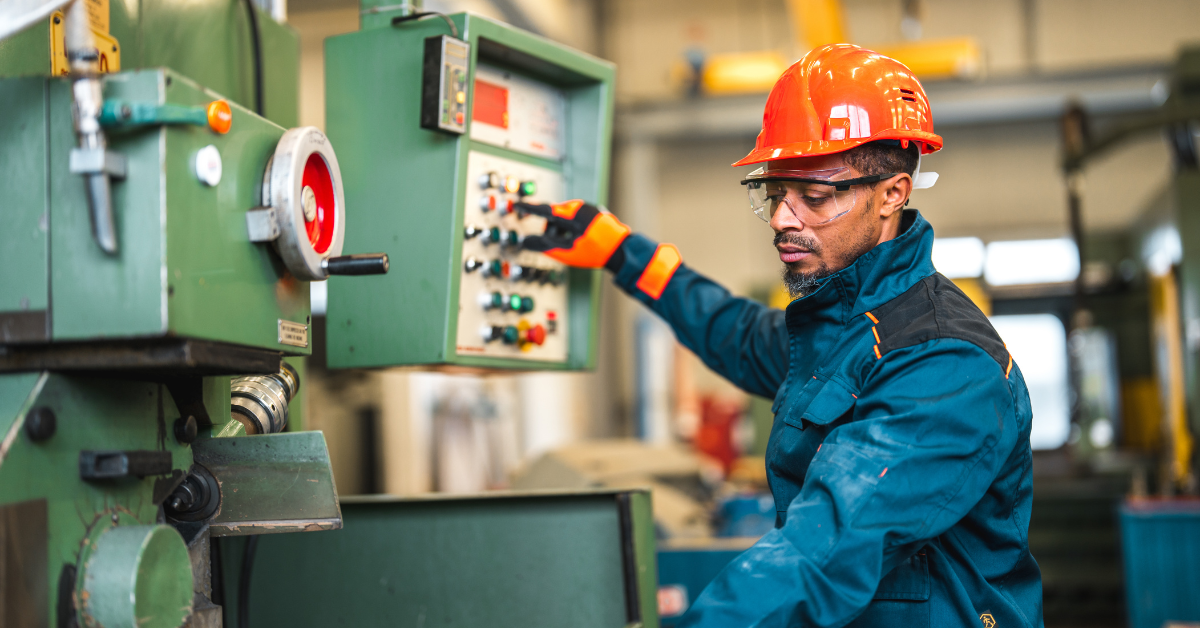



The global machine tool industry is undergoing a quiet but significant engineering shift. For decades, original equipment manufacturers (OEMs) building high-performance CNC milling centers and turning lathes relied on a familiar standby for enclosure windows: solid, monolithic polycarbonate sheets. It was cheap, easy to machine, and offered excellent initial impact resistance. Today, however, tier-1 machine builders across the UK, Ireland, and international markets are fundamentally changing their design blueprints. Driven by tightening European safety regulations, the rise of aggressive synthetic coolants, and demanding corporate buyers, leading OEMs are phasing out raw plastics. Instead, they are integrating factory-laminated cnc machine safety glass right at the assembly stage.
For large-scale project architects, public procurement teams, and industrial decision-makers, understanding why machinery builders are making this shift is critical. It marks a transition from viewing enclosure windows as short-term consumables to treating them as permanent, structural safety assets.
The Liability of Legacy Materials: Why Plastics No Longer Cut It
To understand why OEMs are abandoning raw polycarbonate, one must look at the real-world operational environments of modern manufacturing. Machinery is running faster, hotter, and under higher pressures than ever before. When an OEM ships a machine with a standard plastic viewport, they are inadvertently passing a major maintenance liability to the end-user.
Traditional polycarbonate suffers from a progressive, invisible structural decline when exposed to the harsh interior of an active machine enclosure:
-
Chemical Ageing & Embrittlement: Modern high-pressure cutting fluids, water-soluble oils, and synthetic coolants chemically attack polymer chains. Within 18 to 24 months, an unshielded plastic window can lose up to 80% of its kinetic energy resistance.
-
The High-Haze Hazard: Constant bombardment from hot, sharp metallic swarf creates thousands of micro-scratches. Combined with chemical crazing, the window develops a dense, milky haze. This ruins visibility, frequently tempting operators to bypass safety interlocks just to check a part’s surface finish.
For an OEM, a window that clouds over and loses its structural integrity creates a product lifecycle problem. By upgrading the factory standard to engineered cnc machine safety glass, builders ensure their machines retain their certified safety ratings long after deployment.
The Regulatory Pressure: Meeting ISO 16090 and 23125
The shift toward factory-laminated windows is heavily accelerated by strict international safety frameworks. Modern industrial equipment must comply with rigid compliance standards:
BS EN ISO 16090 (Milling Centers)
Dictates strict projectile containment and impact velocity testing for milling machine enclosures, making robust point-impact defense a legal necessity.
BS EN ISO 23125 (Turning Lathes)
Establishes the safety requirements for turning centers, specifically accounting for the massive kinetic energy released if a heavy workpiece or chuck component breaks free at high speeds.
Because raw plastics degrade chemically, a machine shop window that complies with these standards on day one may fail an audit two years later. By utilizing advanced, factory-laminated composites, OEMs can guarantee that the impact resistance stated on their machinery’s CE declaration remains uncompromised over years of heavy industrial operation.
The Architecture of Factory-Laminated Safety Glass
The permanent solution chosen by top-tier OEMs relies on advanced material layering—an area where Tecdur’s deep expertise in ballistic, blast, and physical security glazing shines.
[Enclosure Interior: High-Pressure Coolant & Hot Swarf]
                         │
                         ▼
        ┌──────────────────────────────────┐
        │ Chemically Toughened Glass Layer │ <-- Deflects Swarf, Resists Chemicals
        ├──────────────────────────────────┤
        │ High-Strength Bonding Interlayer │
        ├──────────────────────────────────┤
        │  High-Impact Polycarbonate Core  │ <-- Absorbs Massive Kinetic Energy
        └──────────────────────────────────┘
This multi-layered layout effectively creates an impenetrable glass envelope around a high-strength plastic core, completely solving the traditional vulnerabilities of enclosure design:
-
Complete Chemical Isolation: The inner pane of chemically toughened glass acts as a permanent barrier. Cutting oils and aggressive solvents can never touch the structural polycarbonate core, allowing it to maintain 100% of its factory impact strength indefinitely.
-
Permanent Optical Clarity: Glass has a vastly higher surface hardness than plastic. High-velocity chips and abrasive swarf bounce off the window without leaving micro-scratches, keeping visibility flawless through millions of production cycles.
-
Ballistic-Grade Security: Drawing on architectural-grade physical defense principles, our specialized cnc machine safety glass lines provide the robust fragment retention required to protect operators from catastrophic tool blowouts.
What This Means for Procurement and Project Architects
For high-level decision-makers in the private and government sectors, the OEM shift toward laminated glass provides a clear signal for procurement specifications. When investing in capital equipment or designing major facility layouts, specifying factory-laminated vision panels out of the gate is a highly effective piece of value engineering.
It eliminates the recurring material and labor costs of replacing foggy plastic viewports every couple of years. More importantly, it secures long-term regulatory compliance, protects your workforce from high-velocity hazards, and ensures your production lines maintain maximum uptime.
To review technical specifications, download impact test data, or discuss custom glazing integration for large-scale industrial projects, contact the Tecdur engineering team today.