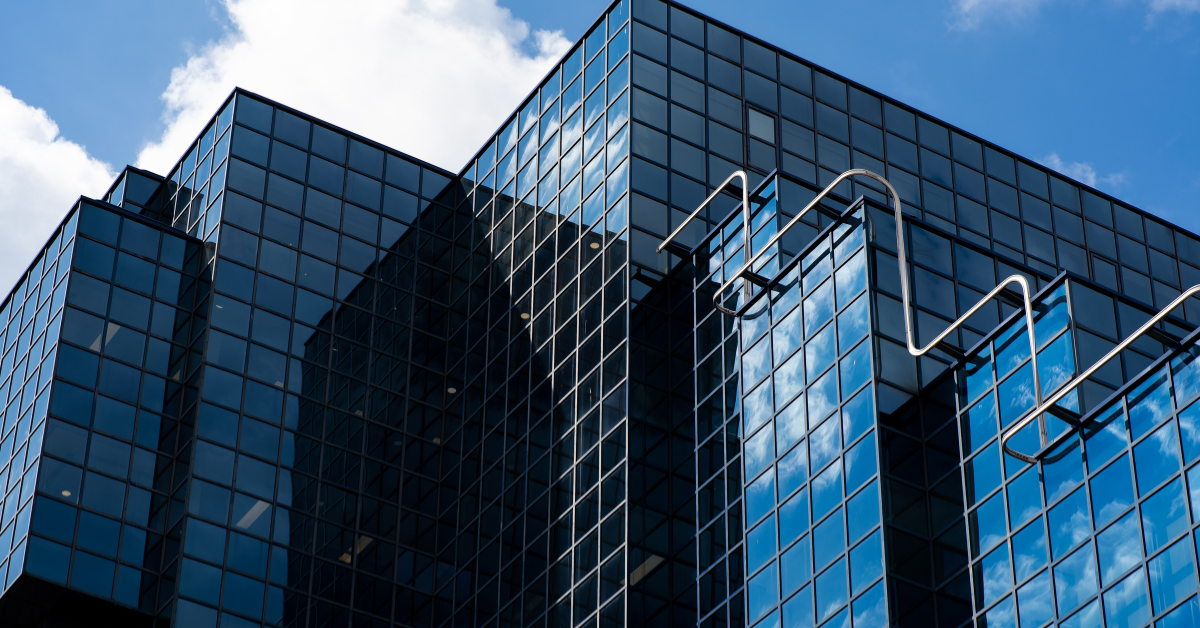



The layout of the modern corporate headquarters has undergone a radical transformation. For decades, the executive suite was defined by heavy mahogany doors, solid drywall, and a distinct sense of isolation from the rest of the company. Today, corporate culture demands a completely different aesthetic. Modern C-suites are expected to embody openness, flat hierarchies, and collaborative leadership, which is why architects lean heavily on expansive glazing to let natural light flow across the floor plate.
However, this shift toward open-plan transparency introduces a massive corporate vulnerability. Executive boardrooms are where high-stakes mergers, sensitive personnel decisions, and trade secrets are discussed. When these rooms are completely exposed, visual and acoustic eavesdropping become a constant liability. To bridge this gap, tier-1 contractors and commercial architects across the UK, Ireland, and global markets are rethinking the layout. By integrating high-performance privacy glass into flagship HQ builds, decision-makers can achieve the ultimate design balance: an open, inclusive workspace that can lock down for absolute confidentiality at a moment’s notice.
The C-Suite Catch-22: Sunlight vs. Security
In high-end corporate HQ design, visual data security is a non-negotiable requirement. With the proliferation of high-resolution smartphone cameras and dense urban office environments where neighbouring buildings look directly into each other, sensitive information displayed on a presentation screen or tablet can easily be compromised.
Traditional solutions like motorized blinds or heavy curtains are clunky, accumulate dust, and ruin the clean, minimalist lines of premium architecture. More importantly, they permanently block out daylight, defeating the purpose of a modern glass-fronted office.
Switchable intelligent glass solves this catch-22 dynamically. Utilizing advanced Polymer Dispersed Liquid Crystal (PDLC) film technology, the glass changes its structural properties based on an electrical charge. When the current is active, the liquid crystals align to make the glass perfectly transparent. When switched off, the molecules misalign, instantly turning the pane opaque. By utilizing privacy glass for executive partitions, architects allow leaders to stay visually connected to their teams throughout the day, while offering the option to instantly seal off the room for private strategy sessions.
Acoustic Isolation: The Unseen Element of Privacy
True confidentiality isn’t just about what people can see; it’s about what they can hear. A boardroom wrapped in standard single-glazed glass might look impressive, but it often acts as an acoustic amplifier, allowing voices to carry straight into the adjacent corridor or reception area. For legal firms, financial institutions, and multinational corporations, this acoustic bleed is a major regulatory and operational risk.
This is where specifying a high-performance system becomes critical. Tecdur’s intelligent glazing doesn’t just offer the best clarity and lowest haze on the market; it is engineered as a comprehensive structural barrier.
Our switchable systems can be customized with high-performance acoustic lamination. The dense, multi-layered composition required to house the PDLC film inherently dampens sound waves, providing exceptional decibel (dB) reduction. When the privacy glass switches to its opaque state, it forms a sealed acoustic envelope, ensuring that sensitive financial disclosures or board disputes remain strictly confidential.
Fortifying the Executive Core Against Multi-Threat Risks
For high-profile corporate headquarters and government buildings alike, future-proofing the executive suite also means preparing for physical security threats. High-profile executives and sensitive corporate data hubs can be targets for targeted violence, industrial espionage, or forced entry.
Because Tecdur specializes in heavy-duty protection solutions, our privacy glass lines can be upgraded to provide robust defense without altering the building’s premium aesthetic.
Architects and corporate risk officers can configure the glass to meet stringent security ratings:
-
Physical Attack Deterrence: Laminated to resist prolonged forced-entry attempts with heavy hand tools, protecting personnel and high-value physical assets.
-
Ballistic and Blast Protection: Engineered to absorb immense kinetic energy from firearms and mitigate the catastrophic pressure waves of explosive incidents.
-
Fire Integrity: Fully compatible with certified fire-rated glazing systems to maintain structural containment and protect critical escape routes.
Elevating Long-Term Commercial Value
For developers, corporate landlords, and institutional investors, specifying intelligent glass is a powerful asset differentiator. It completely eliminates the continuous maintenance, cleaning, and replacement costs associated with mechanical window treatments. Furthermore, because Tecdur’s technology operates with exceptionally low power consumption, it seamlessly aligns with strict corporate ESG targets and green building certifications like BREEAM and LEED.
By embedding adaptability, acoustic privacy, and heavy-duty structural security directly into the glazing, architects aren’t just designing a workspace. They are creating a resilient, light-filled, and secure executive environment tailored for the next generation of global business leaders.
To request technical datasheets, explore acoustic ratings, or discuss custom security specifications for your next high-end commercial project, contact the Tecdur architectural engineering team today.