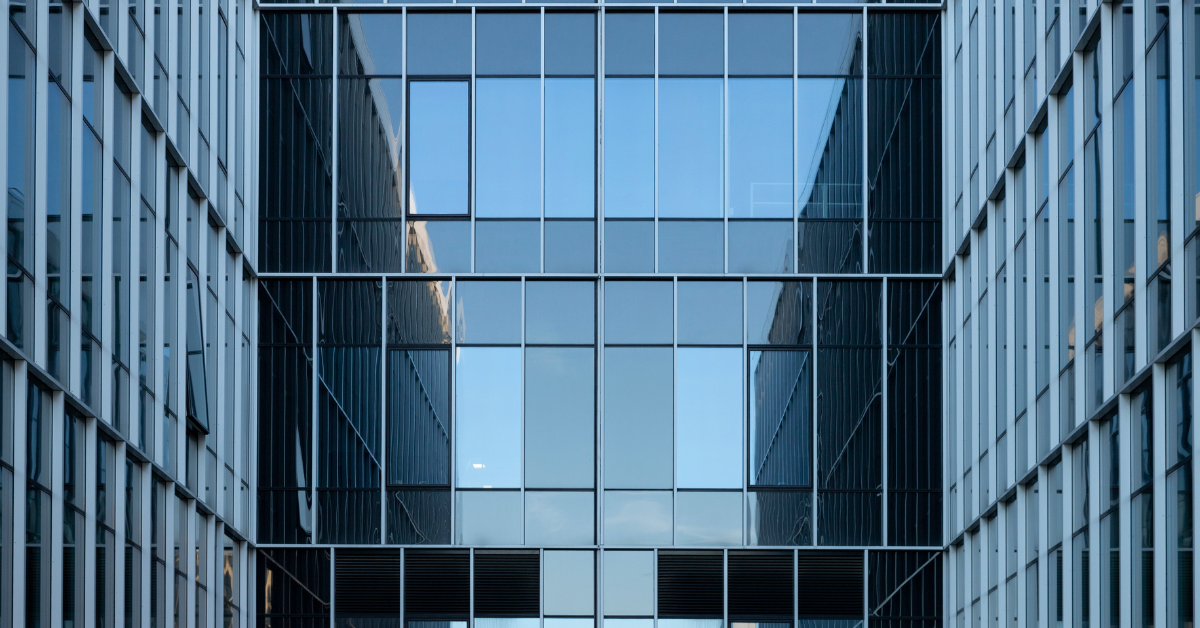



The modern urban skyline is defined by towering glass structures. While these expansive architectural glazing envelopes create iconic city profiles and fill corporate offices with natural daylight, they present a massive environmental challenge. In a typical high-rise, standard external glazing behaves like a greenhouse, trapping immense amounts of solar radiation. This phenomenon—known as solar heat gain—forces building management systems to run massive, energy-heavy heating, ventilation, and air conditioning (HVAC) units continuously to maintain a comfortable internal temperature.
For tier-1 contractors, public sector planners, and large-scale project architects across the UK, Ireland, and global markets, the pressure to design sustainably has never been higher. With tightening emissions regulations and strict corporate ESG mandates, reducing a high-rise’s operational carbon footprint is a critical priority. Meeting these strict environmental benchmarks requires moving beyond traditional facade strategies. By integrating solar-control privacy glass directly into the building envelope, developers can mitigate solar heat gain at the source, drastically reducing HVAC demands and fundamentally shifting the mechanics of sustainable high-rise design.
The Dynamic Envelope: Managing the Solar Heat Gain Coefficient (SHGC)
To understand how intelligent glazing drives structural energy efficiency, architects look closely at the Solar Heat Gain Coefficient (SHGC)—the fraction of solar radiation admitted through a window. Traditional methods of lowering SHGC rely on static tinted treatments or low-emissivity (Low-E) coatings. While helpful, these solutions are unyielding; they block out beneficial natural warmth during colder winter months and reduce ambient light transmission even on dark, overcast days, forcing tenants to turn on artificial indoor lighting.
Switchable intelligent glass solves this challenge dynamically. By combining Polymer Dispersed Liquid Crystal (PDLC) matrix technology with advanced solar-control coatings, the glazing acts as an active environmental filter.
[Solar Radiation] ---> [Solar-Control Smart Glass Envelope]
                            |
           +----------------+----------------+
           | (ON State: Transparent)          | (OFF State: Opaque / Translucent)
           v                                 v
   Passes light naturally;           Scatters infra-red radiation;
   Optimises passive winter warmth   Lowers SHGC; slashes summer cooling loads
When integrated into external insulated double or triple-glazed units, the system adapts seamlessly to the environment:
-
The Active State: On clear, bright days, the privacy glass can be switched to manage direct glare. The dense, multi-layered internal composition works in tandem with specialized tints to reflect and scatter infra-red light—the primary wavelength responsible for building up interior heat.
-
The Passive State: During darker winter cycles, the system allows high levels of natural visible light transmission, borrowing passive solar warmth to lighten the load on internal commercial heating grids.
Slashes in Peak Load: The HVAC Financial Benefit
The financial and operational implications of this dynamic climate control are substantial. HVAC systems in commercial high-rises are typically oversized to handle “peak load”—the absolute hottest hours of the hottest summer afternoons. This engineering safety margin drastically increases initial capital expenditure (CapEx) on industrial chillers, plant machinery, and extensive ductwork, while also hogging valuable real estate on mechanical floors.
Specifying a resilient, solar-blocking intelligent envelope flattens this peak demand curve. By dynamically lowering solar heat gain during peak sun exposure, the internal temperature of the high-rise remains balanced.
As a result, building systems can operate smaller, optimized HVAC plants. This yields ongoing operational expenditure (OpEx) savings, with commercial high-rises achieving noticeable reductions in monthly electrical cooling costs. Furthermore, because Tecdur’s premium switchable technology operates with exceptionally low power consumption, the energy required to run the glass is a tiny fraction of the energy saved by dialing back the mechanical chillers.
Achieving BREEAM, LEED, and Net-Zero Compliance
For public sector procurement officers and commercial developers, integrating advanced smart glazing is an important asset differentiator when pursuing elite green building certifications like BREEAM in the UK and LEED globally.
A high-performance installation supports compliance across several critical assessment categories:
| Certification Target | How Solar-Control Smart Glass Contributes |
| Energy & Carbon Emissions | Lowers overall building energy demand intensity (EUI) by reducing active HVAC cooling and heating cycles. |
| Health & Wellbeing | Reduces glare and optimizes natural daylighting, which supports healthy circadian rhythms and boosts workforce productivity. |
| Sustainable Lifecycles | Factory-laminated privacy glass eliminates the continuous material waste and maintenance cycles of fabric blinds. |
Multi-Threat Structural Defense for High-Profile Hubs
In high-density urban centers and sensitive government developments, sustainability cannot come at the expense of security. External glass facades face a variety of structural threats, ranging from severe weather impacts to forced entry and explosive incidents.
Because Tecdur specializes in advanced defensive engineering, our smart glass can be customized to perform multiple roles within a single building envelope. Specifiers do not need to choose separate vendors for energy performance and physical defense. A single external glazing schedule can be built to include:
-
Ballistic & Blast Protection: Advanced military-grade configurations designed to absorb extreme kinetic energy and withstand devastating explosive blast waves, protecting human life and maintaining the building’s sealed envelope.
-
Forced-Entry Resistance: High-durability laminated compositions built to withstand prolonged, aggressive physical impacts from heavy hand tools.
-
Acoustic Isolation: Heavy-duty internal resin layers that naturally dampen sound transmission, sealing out disruptive city traffic noise to create whisper-quiet interior working spaces.
Value Engineering the Future Skyline
When evaluating the lifecycle costs of a modern commercial high-rise, relying on traditional mechanical shading is no longer a viable long-term solution. By embedding environmental filtering, acoustic dampening, and certified multi-threat security directly into a single, high-performance structural pane, architects are doing more than building a beautiful skyline—they are engineering a resilient, value-optimized, and truly sustainable asset for the future of global commerce.
To download technical datasheets, explore solar performance metrics, or discuss custom security and acoustic specifications for your next high-rise project, contact the Tecdur architectural engineering team today.